





An Unexpected Request
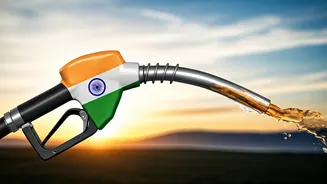
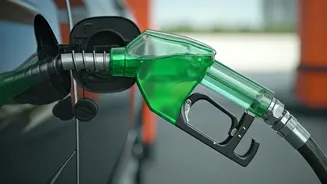
Recent reports have highlighted Bhutan's official communication with its primary fuel suppliers in India, including major players like Indian Oil Corporation (IOCL) and Bharat Petroleum (BPCL). The request is simple: continue providing conventional, unblended
petrol for as long as it's available. This comes as India aggressively rolls out E20 petrol, a blend containing 20% ethanol, as its new standard grade. While some reports were initially contested by the Indian government, which stated no formal export offer for E20 was made, the underlying reasons for Bhutan's hesitation on ethanol-blended fuel remain significant. Bhutan's Department of Trade has outlined clear concerns, creating a complex situation for a country entirely dependent on India for its fuel imports.
Infrastructure and Performance Concerns
Bhutan's reluctance to adopt E20 petrol is not an opposition to cleaner fuels but is rooted in practical, on-the-ground challenges. Officials have pointed to two main issues: infrastructure and vehicle performance. A significant concern is the hygroscopic nature of ethanol, meaning it readily absorbs moisture from the atmosphere. Bhutanese authorities worry that their country's aging underground fuel storage tanks, many located in mountainous regions prone to water seepage, are not equipped to handle ethanol-blended fuel without risking contamination. This water contamination could affect fuel quality and potentially damage vehicle engines. Furthermore, there are performance concerns. Bhutanese officials have noted that vehicles operating in the country's steep, mountainous terrain require consistent power, and since ethanol contains less energy than conventional petrol, there are worries that E20 might not deliver the necessary performance on demanding uphill roads.
The Bigger Picture: An Ambitious EV Transition
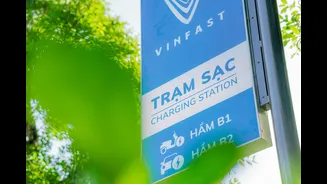
This focus on conventional petrol is happening against the backdrop of Bhutan's highly ambitious green energy policy. The kingdom is actively working to reduce its dependence on fossil fuels, with a major push towards electric vehicles (EVs). The government aims for EVs to constitute 70% of new passenger vehicle sales by 2035 and has been procuring electric buses and cars for government use to lead the charge. However, the transition is facing hurdles. As of early 2026, out of over 128,000 registered vehicles, only around 1,300 were electric. High upfront costs, range anxiety, and a still-developing network of charging stations and repair services are significant barriers to widespread adoption. The Bhutan Taxi Association has called for more robust government support, highlighting that the current ecosystem makes EV ownership financially risky for many drivers. This illustrates the gap between long-term environmental goals and the present-day realities for consumers and businesses.
A Nation Dependent on Imports
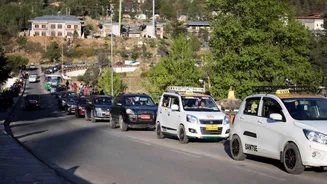
Bhutan's energy security is a delicate balance. While the country is a powerhouse in hydroelectricity, exporting clean energy to India, it remains 100% dependent on its neighbour for fossil fuels. This makes it highly vulnerable to price shocks and supply chain disruptions. In recent months, global market volatility and even minor logistical issues, such as incorrect invoicing from suppliers, have led to fuel shortages in parts of the country and long queues at petrol stations. The government has acknowledged the financial burden of rising fuel prices and has been exploring energy-saving measures, reinforcing the urgency of its EV transition. The request to continue receiving regular petrol is a pragmatic move to ensure stability while the country navigates the complex and expensive path toward a fully electric transportation sector.