



1. Fort Canning Park: The Colonial Experiment (1822)
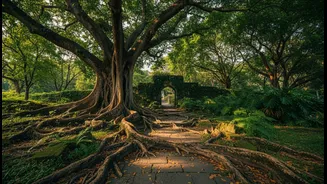
The story begins on a hill. In 1822, shortly after his arrival, Sir Stamford Raffles established Singapore's first botanical and experimental garden on what is now Fort Canning Hill. This wasn't just a leisure park; it was a strategic colonial asset.
Raffles, a keen naturalist, envisioned the garden as a hub for cultivating valuable crops like nutmeg and cloves. The British Empire frequently used such gardens to test plants for their economic potential, and this 19-hectare plot was Singapore's first foray into that world. Though the original garden was abandoned by 1829 due to a lack of funding after Raffles' departure, its legacy as the starting point for Singapore's agricultural and botanical ambitions remains. Today, the lush hill in the middle of the city is a quiet reminder of this first experimental seed.
2. Singapore Botanic Gardens: The Economic Powerhouse (1859)
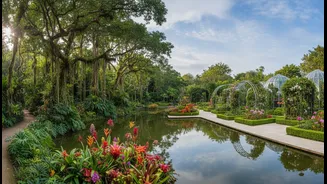
Thirty years after the first garden closed, a new one rose in Tanglin, established in 1859 by the Agri-Horticultural Society. This was the Singapore Botanic Gardens we know today. Initially designed as a leisure park in the English Landscape style, its purpose soon became much grander. It evolved into a major center for botanical research that would change the course of regional history. Under its first scientific director, Henry Nicholas Ridley, the Gardens pioneered the cultivation of rubber, a crop that fueled an economic boom across Southeast Asia. This institution represents the maturing of the colonial botanical vision—from simple experimentation to a powerful engine of commerce and science. Its enduring global importance was recognized in 2015 when it became Singapore’s first UNESCO World Heritage Site, the only tropical garden on the list.
3. Bishan-Ang Mo Kio Park: The 'Garden City' for the People (1967-Present)
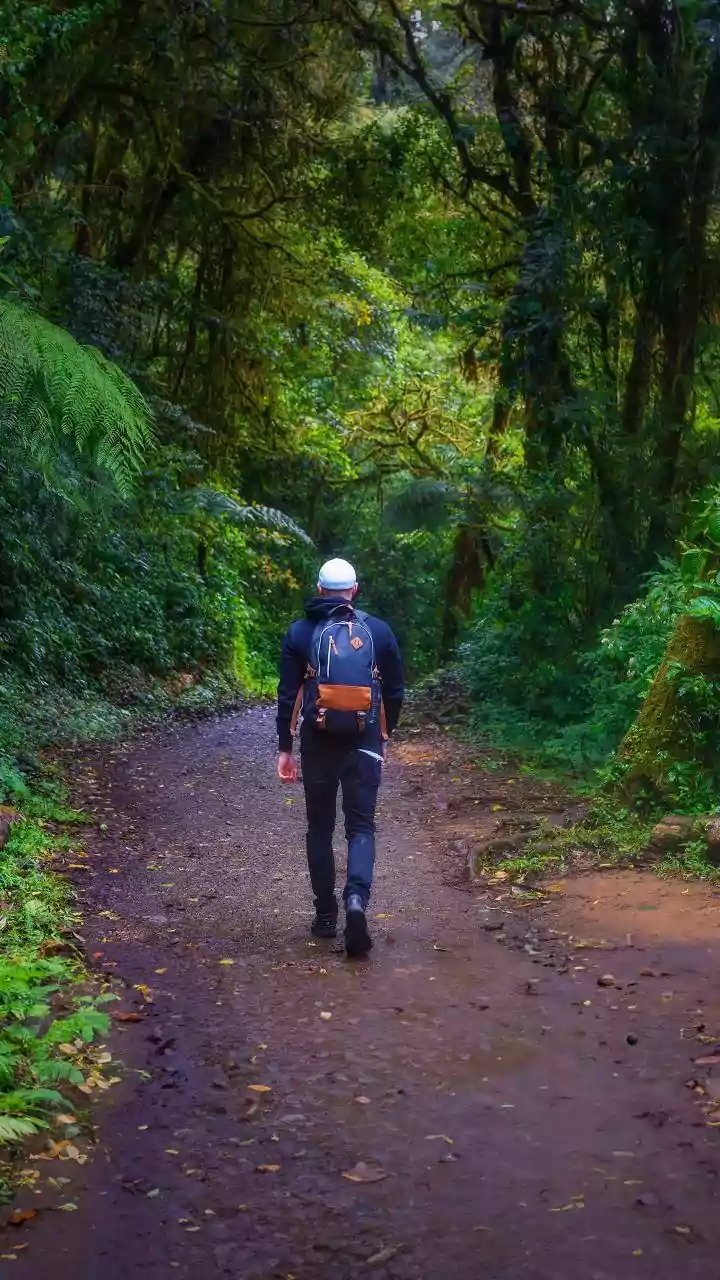
After Singapore's independence, the vision for greening shifted. In 1967, then-Prime Minister Lee Kuan Yew introduced the “Garden City” concept. The goal was to transform Singapore into a place with abundant greenery to improve the quality of life for its citizens and attract foreign investment. This wasn't about cash crops anymore; it was about national identity. The perfect modern example of this vision is Bishan-Ang Mo Kio Park. What was once a park with a sterile concrete drainage canal running through it was radically transformed between 2009 and 2012. The concrete was removed, and the Kallang River was naturalized, creating a meandering stream with gentle banks, lush greenery, and thriving biodiversity. This park shows the evolution from isolated gardens to an integrated network of green and blue spaces designed to bring nature into the heartlands and connect communities.
4. Gardens by the Bay: The Futuristic 'City in a Garden' (2012)
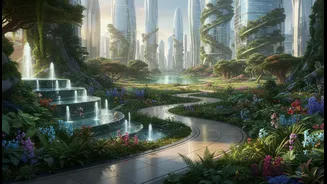
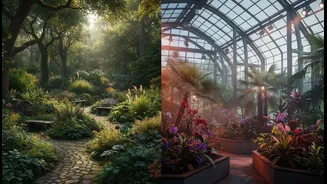
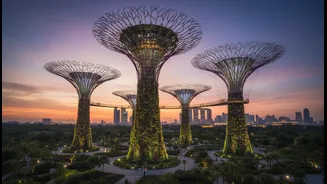
If the Botanic Gardens represent Singapore's past, Gardens by the Bay is its spectacular future. Opened in 2012, this horticultural wonderland embodies the nation's latest vision: to be a “City in a Garden”. Moving beyond the 'Garden City' idea, this new phase integrates nature and technology on a grand scale. The park's iconic Supertrees, cloud forests in giant cooled conservatories, and intricate themed gardens are a showcase of sustainable innovation and garden artistry. It was conceived not just as a park, but as a premier national icon and tourist attraction designed to enhance Singapore’s appeal as a global city. It represents the pinnacle of Singapore's greening journey—a bold, man-made ecosystem that blends entertainment, education, and conservation in a way the world had never seen before.