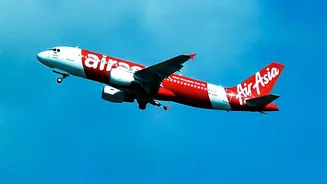









Kerala has greenlit a plan for what could be India's first co-operative airline. Tentatively named 'Co-Keralam', the venture aims not just to fly, but to stitch the state closer together by focusing on a web of strategic regional routes.
A New Model in the Skies
In a bold move
for India's competitive aviation sector, the Kerala government has approved a proposal to launch an airline under a co-operative model. The plan, spearheaded by the Keralam Civil Aviation Development Cooperative Society, is a departure from the typical state-owned or private corporate structures that dominate the industry. The financing strategy is modelled on the successful public-private partnership of Cochin International Airport (CIAL). It involves raising capital from around 200 cooperative societies, each contributing funds, alongside potential investments from Non-Resident Indians (NRIs). This community-centric funding approach aims to create an airline that is financially grounded in the state's robust co-operative network, without direct financial burden on the state government. The initiative is being led by C.N. Vijayakrishnan, a respected figure in the state's co-operative sector.
The Strategy: Connecting Kerala's Core
The core strategy of Co-Keralam revolves around enhancing regional connectivity. While Kerala boasts four international airports, travel between its own districts and to neighbouring states can be time-consuming by road or rail. The new airline plans to solve this 'last-mile' problem. The initial proposal involves leasing two 72-seater aircraft to be based in Kochi. From this central hub, the airline intends to operate flights connecting key destinations within Kerala, such as Kozhikode and Kannur, and extending to major commercial and travel hubs in neighbouring states, including Bengaluru, Chennai, Coimbatore, Madurai, and Mangaluru. This network is designed to create a more efficient travel circuit across South India, making it easier for business travellers, tourists, and residents to move between cities that are currently underserved by direct flights.
Economic and Social Ripple Effects
The focus on regional routes is about more than just convenience; it's a strategic move for economic development. Improved air connectivity is a proven catalyst for economic growth, capable of boosting tourism, trade, and investment in smaller cities and towns. By linking commercial centres like Kochi and Bengaluru with tourism-heavy regions and smaller industrial towns, the airline could unlock significant economic potential. For tourists, it means easier access to diverse destinations within the state. For local businesses, it promises streamlined logistics and better access to markets. Furthermore, the project aims to create jobs, not only in airline operations but also through a proposed plan to establish an aviation training institute. With proposed fares ranging from ₹3,500 to ₹7,000, the airline also aims to make air travel more affordable and competitive with other modes of transport.
Navigating a Turbulent Industry
Despite the innovative model and clear vision, Co_Keralam faces a challenging path. India's aviation industry is notoriously difficult, marked by high operational costs, thin profit margins, and intense competition from established giants who control a vast majority of the market. The sector is grappling with volatile fuel prices, a weakening rupee, and supply chain issues that have grounded aircraft and strained finances for even the biggest players. Any new entrant, especially a regional one, must navigate a tough regulatory landscape and build a sustainable business model to survive. The success of Co_Keralam will depend heavily on its ability to manage costs, maintain operational efficiency, and attract a loyal customer base in a market where even established airlines have struggled to maintain profitability.