






The Case for a Morning Banana
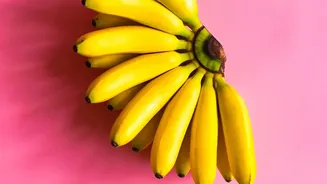
Starting your day with a banana can be a great way to get a quick, natural energy boost. Bananas are rich in carbohydrates and natural sugars like glucose, fructose, and sucrose, which provide fuel to get your morning started. They are also an excellent
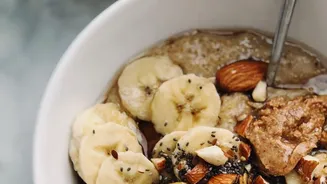
source of potassium, a crucial electrolyte that helps manage blood pressure and fluid balance. A medium banana also offers a decent amount of dietary fibre, which promotes satiety and can help keep you feeling full until lunch, potentially curbing the urge for unhealthy mid-morning snacks. However, eating a banana on an empty stomach isn't for everyone. Because of their sugar content, they can cause a rapid rise in blood sugar, which might lead to a subsequent energy crash for some individuals, particularly those with insulin resistance. To counteract this, experts recommend pairing your morning banana with a source of protein or healthy fat, such as a handful of nuts, a spoonful of peanut butter, or a serving of Greek yogurt. This combination slows down the absorption of sugar, leading to a more stable release of energy.
The Argument for a Night-Time Banana
On the other side of the debate, a banana before bed might be the key to a more restful night. This is largely due to its impressive mineral content. Bananas are a good source of magnesium and potassium, both of which act as natural muscle relaxants. This can help prevent nighttime muscle cramps and ease tension, preparing your body for sleep. Furthermore, bananas contain the amino acid tryptophan. Your body converts tryptophan into serotonin, a neurotransmitter that promotes relaxation, and then into melatonin, the hormone that regulates your sleep-wake cycle. Some studies have shown that consuming bananas can measurably increase melatonin levels in the body. For those who suffer from acid reflux, a banana can also be a soothing choice. Its low acidity and soft texture can help coat the oesophageal lining, and some believe it has natural antacid properties that can neutralize stomach acid. However, some caution against eating too close to bedtime, as it could lead to digestive issues or a sugar-induced energy boost for sensitive individuals.
Listen to Your Body
Ultimately, the best time to eat a banana depends entirely on your personal health goals, digestive system, and daily routine. If you're an athlete looking for a pre-workout energy source, a morning banana is an excellent choice. If you struggle with falling asleep or experience muscle cramps at night, a small banana in the evening could provide significant benefits. The ripeness of the fruit also plays a role. Greener, less-ripe bananas contain more resistant starch and less sugar, leading to a slower rise in blood sugar, which might be preferable for many. Riper bananas, with their higher sugar content, provide quicker energy. The debate highlights a larger truth in nutrition: there are very few one-size-fits-all rules. A food that energises one person might cause a slump in another. What matters most is observing how your own body responds and making choices that align with your well-being.