







The Problem with Wellness Labels
Terms like “natural,” “superfood,” or “detox-friendly” are more about marketing than measurable health benefits. Studies show that foods marketed as “natural” are not consistently more nutritious than conventional options. These labels are often unregulated
and can create a misleading “health halo,” making consumers believe a product is healthier than it actually is. Assigning simple labels like 'good' or 'bad' to food overlooks the complexity of nutrition and can foster an unhealthy relationship with eating. Instead of falling for buzzwords, a better approach is to look past the front-of-package claims and focus on the actual nutritional content.
The Power of Protein
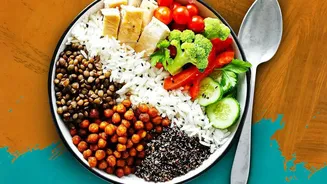
Protein is a powerhouse macronutrient essential for building and repairing tissues, supporting immune function, and maintaining muscle mass. One of its biggest advantages is its effect on satiety; protein-rich foods help you feel fuller for longer, which can help manage appetite and stabilise energy levels. In the Indian context, excellent sources are abundant and affordable. Think about stocking your pantry with lentils (dal), chickpeas (chana), kidney beans (rajma), and dairy products like paneer and curd. Soybeans, tofu, quinoa, and various millets like bajra and ragi are also fantastic, versatile options that can be easily incorporated into daily meals.
The Fibre Foundation
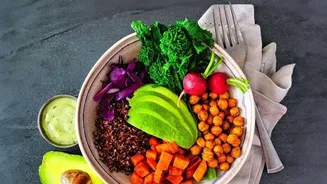
While protein often gets the spotlight, fibre is the unsung hero of a healthy diet. This indigestible carbohydrate, found only in plant foods, is crucial for digestive health, regulating blood sugar, and feeding a healthy gut microbiome. Like protein, fibre also promotes a feeling of fullness. Luckily, many protein-rich Indian staples are also packed with fibre. Whole grains like oats, jowar, and bajra, along with all varieties of lentils and legumes, are excellent sources. Combining protein and fibre is a winning strategy; fibre can improve the texture of high-protein foods and together they create a balanced meal that is more satisfying and beneficial for long-term health.
Why Flavour is Non-Negotiable
Healthy eating should not be a sentence to bland, joyless meals. In fact, flavour is a critical component of a sustainable healthy diet. Enjoying your food makes you more likely to stick with nutritious choices. When food is palatable and satisfying, it can help with portion control and prevent the burnout that often comes with restrictive diets. Using herbs and spices like turmeric, cumin, and fresh basil not only adds incredible flavour without extra calories, salt, or sugar but also brings its own set of health benefits. A flavourful meal engages the senses, encourages mindful eating, and transforms healthy choices from a chore into a pleasure.
Your Smart Pantry Checklist
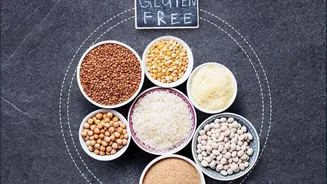
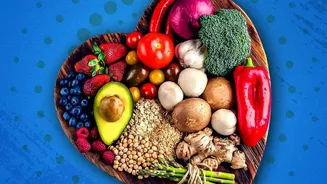
Ready to build a better pantry? Start by clearing out expired items and highly processed foods. Then, focus on stocking these nutrient-dense staples. For proteins and fibre, load up on a variety of dals (moong, masoor, chana), legumes (chickpeas, rajma), and whole grains (oats, brown rice, quinoa, millets). Keep nuts and seeds like almonds, walnuts, and flaxseeds for healthy fats and an extra protein punch. Canned fish can be a quick protein source. For flavour, ensure you have a robust collection of spices and herbs, along with staples like ginger, garlic, and onions. Having these items on hand makes it easy to assemble a balanced, delicious meal any night of the week.