




A New Map for a Nation on the Move
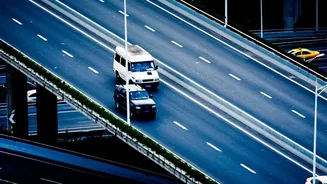
India is in the midst of an unprecedented infrastructure boom, fundamentally changing how people and goods move across the country. The scale is immense: gleaming new expressways like the Delhi-Mumbai and Mumbai-Nagpur corridors are drastically cutting
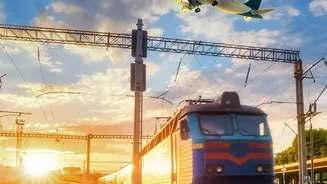
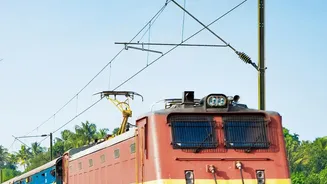
down road travel times. Simultaneously, the UDAN (Ude Desh ka Aam Nagrik) scheme has been transformative, expanding India's airport network from 74 in 2014 to over 160, bringing air connectivity to dozens of Tier-2 and Tier-3 cities for the first time. Complementing this is the rapid expansion of the Vande Bharat Express train network, which now covers over 82 routes, linking major economic centres with spiritual and leisure destinations. This three-pronged approach—faster roads, accessible skies, and modern railways—is not just about convenience; it's creating a new travel ecosystem where distance is no longer the primary barrier.
The Rise of Once-Hidden Gems
The most exciting consequence of this enhanced connectivity is the emergence of destinations previously considered too remote for mainstream tourism. Places in the Northeast, coastal Odisha, and the Himalayan interiors are becoming more accessible. For instance, the Dhola-Sadiya Bridge in Assam has reduced travel time to parts of Arunachal Pradesh from six hours to just one. New airports under the UDAN scheme in cities like Darbhanga, Shivamogga, and Kurnool are turning what was once a multi-day journey into a short flight, unlocking local tourism potential. This allows travelers to explore beyond the well-trodden Golden Triangle, discovering unique cultures, cuisines, and landscapes. As Indians increasingly seek authentic and experiential travel, this infrastructure is providing the means to reach those offbeat places.
An Economic Lifeline for Smaller Towns
For many smaller towns and rural areas, this new connectivity is a powerful economic engine. The arrival of a new airport or a Vande Bharat stop can transform a local economy. It stimulates the growth of hotels, homestays, restaurants, and guide services, creating jobs and providing new income streams for local communities. Farmers can get their produce to market faster, local artisans find new customers, and small businesses can connect with a wider network. This is particularly true for spiritual tourism, a major driver of domestic travel. Better access to pilgrimage sites like Ayodhya, Varanasi, and Shirdi has created entire travel ecosystems, benefiting a wide range of local stakeholders. The economic impact multiplies, as infrastructure development itself creates employment and spurs real estate growth in these emerging corridors.
The Double-Edged Sword of Accessibility
While the benefits are significant, this rapid expansion comes with serious challenges. The biggest risk is 'over-tourism' in ecologically and culturally fragile areas. As tourist numbers surge, so does the pressure on local resources, from water and waste management to housing and public services. We have seen cautionary tales in established hill stations where unplanned growth has led to traffic congestion, environmental degradation, and a loss of local character. There is a danger that newly accessible 'hidden gems' could suffer the same fate without careful planning and regulation. The challenge lies in balancing economic growth with sustainable practices to ensure that tourism enriches, rather than exploits, these destinations.
Shaping the Future of Indian Travel
India's expanding infrastructure is doing more than just building roads and railways; it is shaping a new mindset. Travel is becoming less of a rare luxury and more of an integral part of life for a growing number of Indians. The rise of road trip culture, weekend breaks, and multi-destination circuits is a direct result of improved connectivity. This shift presents a pivotal moment. The choices made now—by policymakers, local communities, and travelers themselves—will determine the future. Will this growth be sustainable and inclusive, preserving the very heritage and nature that make these new destinations so appealing? Or will it replicate the mistakes of the past? The new infrastructure has opened the door to countless possibilities; the path taken will define the Indian travel story for decades to come.