






The Golden Rules of Muscle Gain
Building muscle isn't just about lifting weights; it's about what you eat. The science is clear: your body needs a specific environment to repair and grow stronger muscle fibres. This process, known as muscle protein synthesis, relies on a few core principles.
First, you need adequate protein, which provides the essential amino acids to rebuild muscle. The widely supported target for active individuals is between 1.6 to 2.2 grams of protein per kilogram of body weight daily. Second, you must consume enough calories. Your body won't build new tissue if it's in a deficit; a modest surplus of 300-500 calories per day provides the energy needed for growth. Lastly, consistency is key. Spreading your meals throughout the day helps maintain a steady supply of nutrients for recovery and growth.
Protein Powerhouses: The Indian Edition
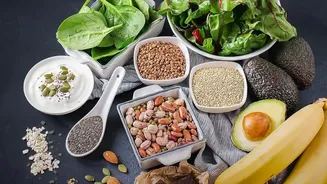
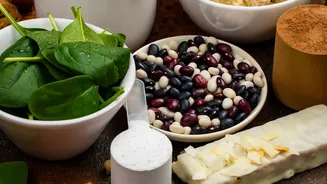
Contrary to popular belief, an Indian diet is rich with high-quality protein sources for both vegetarians and non-vegetarians. The problem often lies in portion size, not availability. For non-vegetarians, lean chicken breast (around 31g of protein per 100g) and eggs (about 6g per egg) are excellent choices. Vegetarians have a wealth of options. Paneer is a standout, offering slow-digesting casein protein (about 18g per 100g). Soya chunks are another powerhouse, providing a complete protein with all essential amino acids. Lentils (dal), chickpeas (chana), and kidney beans (rajma) are staples for a reason, offering roughly 7-9g of protein per cooked cup. To make plant-based meals more effective, combine lentils with grains like rice or roti to create a complete amino acid profile. Greek yoghurt or hung curd is another fantastic addition for a protein boost.
Fuel Your Workouts with Smart Carbs
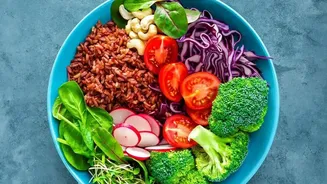
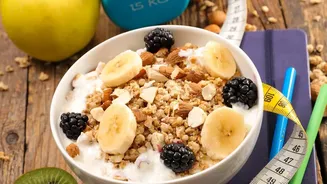
Carbohydrates are your body's primary energy source, and cutting them out is a common mistake when trying to build muscle. Without sufficient carbs, your body may start breaking down muscle tissue for fuel. The key is to choose complex carbohydrates that provide sustained energy. Indian cuisine is abundant in these. Swap refined grains for whole-wheat roti, brown rice, and millets like jowar and bajra. Oats, sweet potatoes, and legumes are also excellent sources of the fuel needed for intense workouts and replenishing energy stores afterwards. Simple carbs like a banana can be beneficial right before a workout for a quick energy boost.
Embrace Healthy Fats
Fats are essential for overall health and play a crucial role in hormone production, including those vital for muscle growth. A balanced diet should include healthy fats in moderation. Good sources that are easily found in an Indian kitchen include nuts like almonds and walnuts, seeds such as flax and chia, and moderate use of ghee or olive oil in cooking. These fats not only support your fitness goals but also contribute to joint health and overall well-being.
Timing is Everything: Structuring Your Meals
How you time your meals can significantly impact performance and recovery. Aim for a pre-workout meal 2-3 hours before you exercise, containing a good mix of carbohydrates and protein. Something like roti with dal and curd or vegetable poha with peanuts works well. If you're short on time, a lighter snack 30-60 minutes before, such as a banana with peanut butter or a small bowl of dahi, can provide quick energy. The post-workout window is crucial for recovery. Consuming a protein-rich meal within two hours of finishing your workout helps repair muscle damage. A meal like paneer bhurji with roti, grilled chicken, or a thick dal is an excellent choice.
Don’t Forget Hydration and Micronutrients
While macronutrients get most of the attention, hydration and micronutrients (vitamins and minerals) are just as important for muscle function and recovery. Dehydration can severely hamper your performance. Aim to drink 3-4 litres of water throughout the day. Your diet should also be rich in fresh vegetables and fruits to ensure you're getting a wide array of vitamins. Leafy greens like spinach are particularly beneficial as they provide iron and calcium, nutrients that support oxygen transport and bone health.