





A Conservation Comeback Story
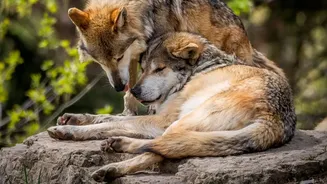
Across North America and Europe, wolf populations are making a significant recovery. Thanks to legal protections, habitat restoration, and reintroduction programs, these apex predators are reclaiming parts of their historical territories. In Europe, the population has
grown to over 21,500, an increase of nearly 60% in a decade, with packs found in countries like Italy, Spain, and Germany. In the United States, the 1995 reintroduction of gray wolves to Yellowstone National Park is a celebrated success, with hundreds of wolves now inhabiting the Greater Yellowstone Ecosystem. This resurgence has created an exciting opportunity for wildlife enthusiasts, but it also raises important questions about how we interact with these wild animals.
Defining an Ethical Encounter
Seeing a wolf should be a privilege, not a guarantee. An ethical encounter is one that prioritizes the animal's welfare and natural behaviour above all else. This means no direct interaction, no feeding, and absolutely no baiting to lure them closer. The core principle is observation from a significant distance, using binoculars or a spotting scope. Responsible guides will never promise a sighting, as wild animals are unpredictable. A major red flag is any activity that habituates wolves to humans, which can lead to conflict and endanger both people and the animals. Ethical tourism respects the wolf's wildness; if your presence alters the animal's behaviour, you are too close.
How to Choose a Responsible Tour
Selecting the right guide is the most critical step. Start by asking operators direct questions about their practices. How do they ensure minimal disturbance to the wolves? What is their policy on viewing distances? Do they contribute to local conservation efforts? Reputable companies are proud to discuss their ethical standards. Look for guides who are local biologists, researchers, or have deep-rooted knowledge of the area's ecosystems. These experts can provide a richer experience, teaching you to read tracks and understand wolf behaviour, turning the trip into a deep dive into the entire ecosystem, not just a species-spotting exercise. Their goal is education and conservation, not just a photo opportunity.
Tourism as a Tool for Conservation
When done right, wolf tourism can be a powerful force for good. It provides a strong economic incentive for local communities to protect wolves and their habitats. In areas where wolves have historically been seen as a threat to livestock, tourism revenue can shift perspectives, turning a predator into a valuable economic asset. For example, since wolves returned to Yellowstone, wolf-related tourism has generated millions of dollars annually for the surrounding states, funding everything from lodging to local guide services. This proves that a living wolf can be far more valuable to a community over the long term than one that is removed or hunted. Your travel dollars can directly support the continued comeback of this iconic species.
Where the Wolves Are
Several regions have become hotspots for ethical wolf watching. In North America, Yellowstone National Park remains the premier destination, particularly its remote Lamar Valley. Other promising areas include the vast wilderness of Canada and parts of Alaska. In Europe, wolf tourism is a growing industry. Spain's Asturias and Riaño Mountains offer chances to see the Iberian wolf, often as part of a broader ecotourism experience. The Apennine Mountains in Italy and the Carpathian Mountains in Romania and Slovakia are also established destinations where experienced guides lead tracking expeditions. These trips focus on the thrill of the track and the understanding of the habitat, with a sighting being the ultimate, treasured reward.