





The Slow Burn: How Yoga Cultivates Lasting Calm
Yoga's true power lies in its consistency. While a single session can leave you feeling relaxed, the real transformation is a gradual process of rewiring your response to stress. The practice works directly on the nervous system, guiding it from a state
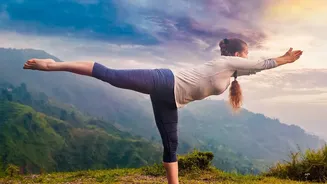
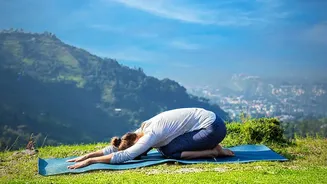
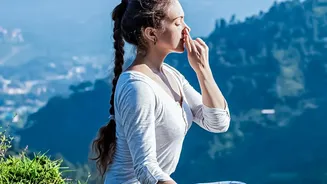
of 'fight-or-flight' to 'rest-and-digest'. Through controlled breathing (pranayama) and mindful movement, yoga helps lower levels of cortisol, the body's primary stress hormone. Over time, this does more than just provide temporary relief. Scientific studies suggest that regular yoga practice can increase levels of GABA, a neurotransmitter that helps calm nerve activity and is associated with improved mood and decreased anxiety. This neurochemical shift helps build emotional resilience, making you better equipped to handle life's challenges with a steady mind rather than reacting impulsively. It’s an inside-out job, teaching the mind to find its own quiet center, regardless of external chaos.
The Instant High: Trekking’s Immediate Mood Boost
Unlike the slow build of yoga, trekking offers an immediate and powerful shift in perspective. The moment you step onto a trail, surrounded by trees and open sky, your brain begins to change. This 'nature high' is a potent cocktail of physiological and psychological effects. The physical exertion of walking on varied terrain releases endorphins, the body's natural mood-enhancers, providing an instant feeling of happiness and accomplishment. At the same time, simply being in a natural environment has been proven to reduce stress almost instantly. Exposure to sunlight boosts vitamin D, while the sights and sounds of nature help lower heart rate and blood pressure. Researchers have found that time in nature reduces activity in the part of the brain linked to rumination—that cycle of negative thoughts we can get stuck in. This combination of physical activity and sensory immersion provides a quick and effective escape, a reset button that delivers an immediate sense of peace and connection.
Inward Stillness vs. Outward Awe
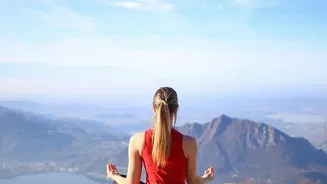
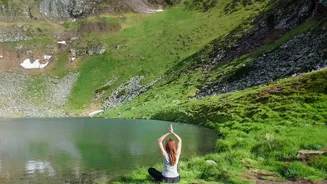
The core difference between the two practices lies in their direction of focus. Yoga is an inward journey. It asks you to close your eyes, focus on your breath, and observe the landscape of your own mind and body. The goal is to cultivate a state of calm that is generated from within and can be carried with you anywhere. It builds a portable sanctuary. Trekking, on the other hand, is an outward exploration. It draws your attention to the grandeur of the external world—the vastness of a mountain range, the rustle of leaves, the scent of pine. This experience of awe shifts your focus away from personal anxieties and makes your own concerns feel smaller in comparison. While yoga teaches you to find peace in stillness, trekking delivers it through movement and a powerful connection to something larger than yourself. One masters the internal world, the other draws strength from the external.
Better Together: A Powerful Partnership
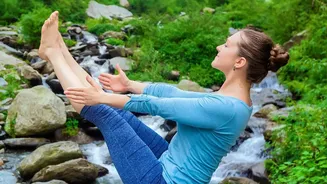
Ultimately, the choice between yoga and trekking isn't a competition. In fact, they are incredibly complementary, and practicing both can lead to a more holistic sense of well-being. The long-term emotional stability and body awareness gained from a consistent yoga practice can make the physical challenges of a trek more manageable and enjoyable. Increased flexibility and core strength from yoga can prevent injuries on the trail, while the practice of mindfulness helps you stay present and fully appreciate the natural beauty around you. Conversely, the immediate joy and sense of accomplishment from a challenging trek can provide the motivation needed to stick with a disciplined yoga routine. The nature high from a weekend hike can replenish the energy reserves needed for the deep, internal work that yoga demands. Together, they create a virtuous cycle: trekking provides the release, and yoga provides the resilience.