





The Monsoon Kitchen Challenge
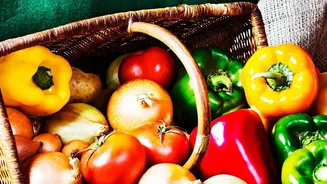
Anyone who has left vegetables on a kitchen counter during the Indian monsoon knows the story. Leafy greens wilt, tomatoes go soft, and other produce can develop spots in what feels like a matter of hours. The culprit is the dramatic spike in humidity,
which creates the perfect breeding ground for mould and bacteria. This humid environment poses a unique challenge for keeping produce fresh, as it encourages rapid decay. While we love the rain, it makes our kitchens a difficult place for storing fresh food, requiring us to be smarter about how we handle our groceries.
Why Cutting Is the Enemy of Freshness
Every whole vegetable is wrapped in a natural protective layer—its skin or peel. This layer is a formidable barrier against oxygen, moisture loss, and microbial invaders. When you cut a vegetable, you break this seal. The exposed inner flesh immediately comes into contact with oxygen, triggering a process called oxidation. This not only causes undesirable browning, especially in produce like potatoes and eggplant, but also leads to a breakdown of essential nutrients like Vitamin C. Furthermore, the cutting process itself releases enzymes that can alter the texture and flavour of the vegetable, accelerating spoilage before it even reaches the pot.
Humidity: The Final Blow for Cut Produce
The combination of a broken protective surface and high monsoon humidity is a recipe for disaster. The exposed, moist surfaces of cut vegetables become an open invitation for airborne bacteria and mould spores, which thrive in damp conditions. While many vegetables actually prefer high humidity to prevent wilting, this only applies when their skin is intact. Once cut, the high moisture in the air settles on the vegetable's surface, preventing it from drying and encouraging the rapid growth of spoilage organisms. This is why a pre-cut salad mix can turn slimy so quickly during the rainy season.
The Golden Rule: Store Vegetables Whole
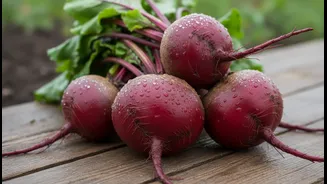
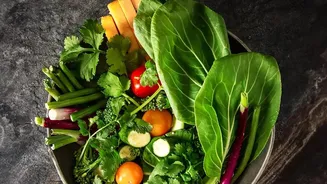
The single most effective strategy for extending the life of your vegetables during the monsoon is to store them whole. Keeping the skin intact maintains the vegetable's natural defence system. Don't wash your produce until right before you plan to use it; excess moisture on the surface is a major contributor to rot, even on whole vegetables. For root vegetables like carrots and beets, keep them unwashed in a cool, dry, and well-ventilated spot. Leafy greens should be checked for any damaged leaves, wrapped loosely in paper or a cloth towel to absorb excess moisture, and then stored in the refrigerator.
If You Must Pre-Cut for Convenience
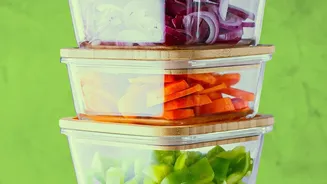
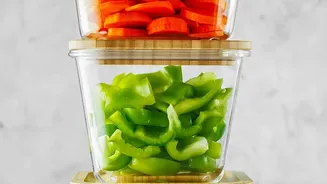
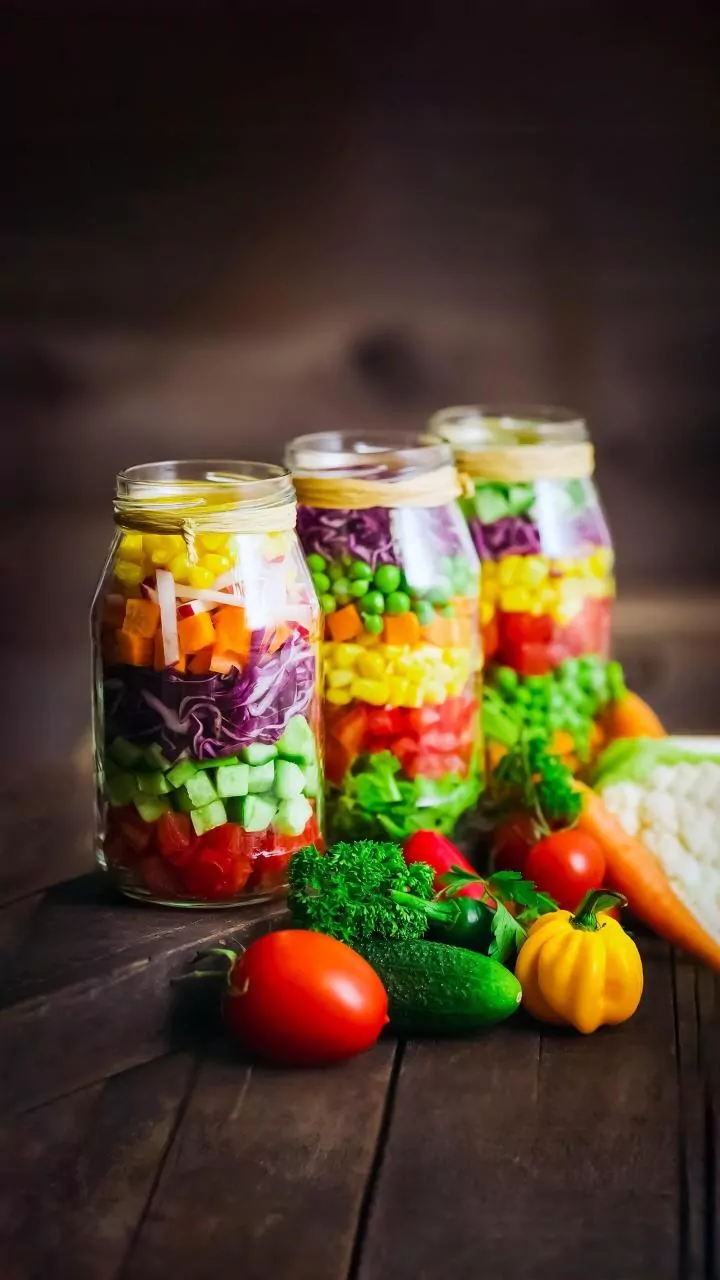
We all lead busy lives, and sometimes meal prepping is a necessity. If you absolutely must cut your vegetables ahead of time, there are ways to minimize the damage. The key is to limit their exposure to air and moisture. Store pre-cut vegetables in airtight containers in the refrigerator. For vegetables like carrots and celery, you can even submerge them in a container of water, which prevents them from drying out, but be sure to change the water daily. However, remember that this is a short-term solution. Pre-cut vegetables should ideally be used within a day or two for maximum freshness and nutritional value.
Smart Storage for Common Monsoon Veggies
Different vegetables have different needs. Leafy greens (palak, methi, coriander) are the most perishable; wrap them in newspaper or a cloth and refrigerate immediately. Hard vegetables like gourds and carrots are more durable and can be stored in the vegetable crisper. Onions, garlic, and potatoes should be kept out of the fridge in a cool, dark, and dry place with good airflow to prevent sprouting and rot. Never store your produce in sealed plastic bags, as they trap moisture and accelerate decay. Using cloth or jute bags is a much better alternative, especially during the monsoon.