




Knowing What to Ask
In a recent interview, Musk outlined his vision for education in the age of artificial intelligence. He advised young people to pursue as “broad-based an education as possible,” covering a wide range of subjects. His reasoning is straightforward: as AI
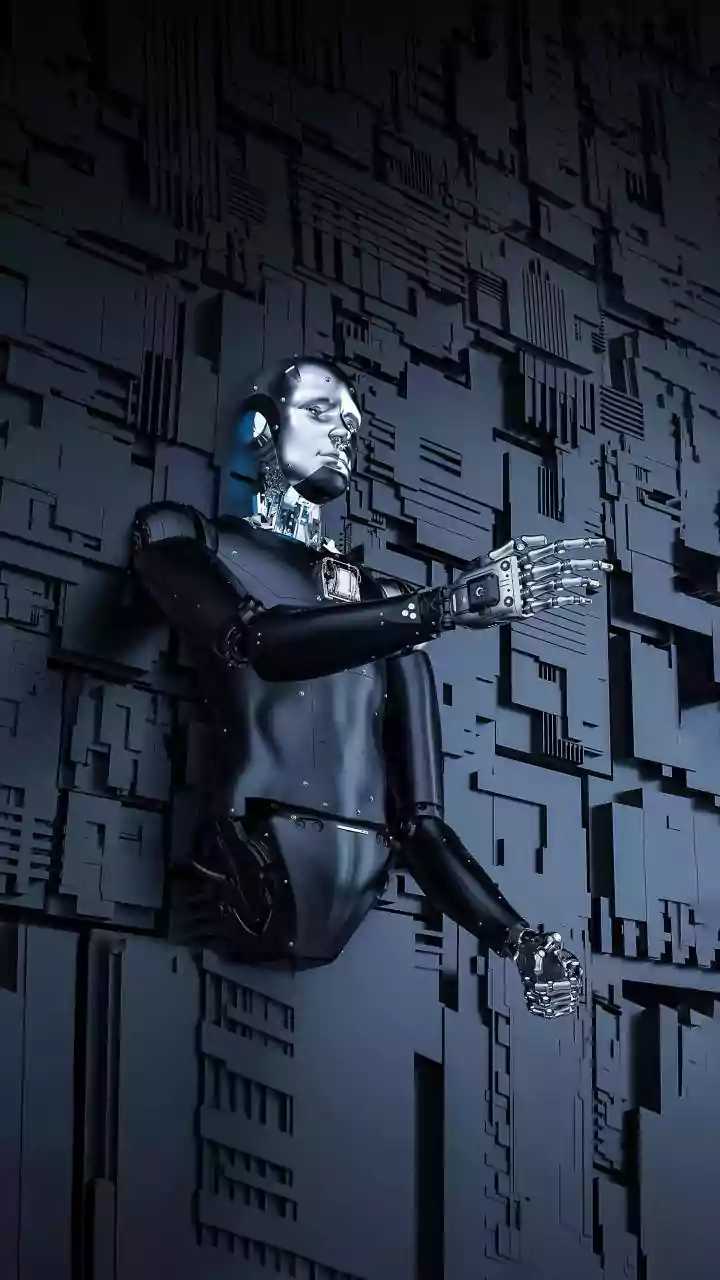
and robots become capable of executing complex tasks, the most critical human skill will be knowing what to ask them to do. He framed this as the essence of a new kind of interaction with technology. “In order to know what to ask the robots for, you need to be able to formulate the question,” he explained. This ability, he argued, is best developed by having a wide base of general knowledge.
Prompting as General Knowledge
Musk directly linked this broad understanding to “prompt engineering”—the skill of designing effective instructions for AI models. But he sees it as more than just a technical task. Instead of a specialised coding discipline, effective prompting is portrayed as a product of worldly knowledge. Someone who understands history, psychology, and art can ask more interesting, nuanced, and valuable questions than someone with purely technical expertise. Prompt engineering is less about commanding a machine and more about bridging the gap between human intent and an AI's capabilities, a process that requires strong linguistic and analytical skills. The goal is to translate a complex human thought into a precise, actionable command an AI can execute effectively.
The Power of the Arts and Humanities
This perspective elevates the role of the liberal arts, a field often perceived as being at odds with a tech-driven economy. An education in literature, philosophy, and social sciences cultivates the very skills Musk highlights: critical thinking, ethical reasoning, and clear communication. These disciplines train students to analyse complex systems, understand human motivation, and weigh the moral implications of decisions—all essential for guiding powerful AI tools responsibly. As some business leaders and academics have noted, employers are increasingly seeking graduates who can think across different modes, connecting data with ethics and human communication. In this view, a history major's ability to interpret patterns or a philosophy student's grasp of ethics becomes a tangible asset.
Science and Engineering Still Matter
Musk’s advice is not a rejection of technical fields but a call for their integration with broader knowledge. An engineering or science background provides the fundamental understanding of how AI systems work, their limitations, and their potential. Without this technical literacy, it’s difficult to know what is possible or how to structure a request in a way the machine can process. The ideal skill set for the future appears to be a hybrid one. It combines the contextual and critical thinking of the arts and humanities with the logical and systems-level understanding from science and engineering. This allows a person not just to use an AI tool, but to understand its output, identify its biases, and apply it creatively to solve new problems.
Preparing for an Unwritten Future
Ultimately, Musk's argument is that as AI handles more of the “how,” the human advantage shifts toward defining the “what” and the “why.” If machines can perform an ever-expanding list of specialised tasks, a human's value may lie less in their ability to execute one specific function and more in their capacity for adaptability, curiosity, and judgment. This suggests a move away from education as a means of acquiring a fixed set of job-ready skills. Instead, it becomes about building a flexible mental toolkit for a future where job roles will constantly evolve. The person best prepared may be the one who can connect disparate ideas and formulate sharper questions, regardless of the technology at hand.