





The Myth of the Miracle Ingredient
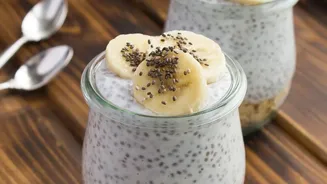
We've all heard the claims. A single food—be it exotic berries from a faraway mountain, a trendy green powder, or a specific type of seed—is presented as the key to unlocking immense health benefits. While many of these foods are indeed nutritious, the idea
that one ingredient can single-handedly transform your health is more marketing than science. Nutrition experts increasingly emphasize that this focus on individual foods is misleading. True health isn't built on a foundation of one 'perfect' food but on the synergy of everything you eat. Your body benefits from the complex interplay of nutrients found in a varied diet, an effect that no single superfood can replicate. This is where the concept of a 'dietary pattern' becomes crucial.
The Power of the Pattern
A dietary pattern is the sum of all your food and drink choices over time. Think of it as the big picture of your eating habits. The Mediterranean diet is one of the most well-researched and celebrated dietary patterns globally for its links to longevity and heart health. Its power doesn’t come from a secret ingredient, but from the combined effect of its core components. Research shows that focusing on a healthy overall pattern is more effective for long-term health and easier to sustain than obsessing over single nutrients or foods. Foods contain a complex mix of vitamins, minerals, fibre, and bioactive compounds that work together. This synergy is what provides the real health advantage, something that is lost when we focus on one nutrient or food in isolation.
So, What Is the Mediterranean Way?
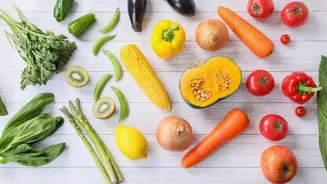
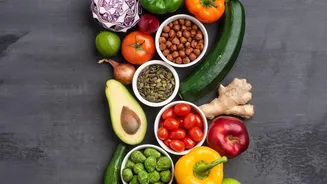
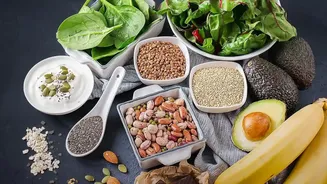
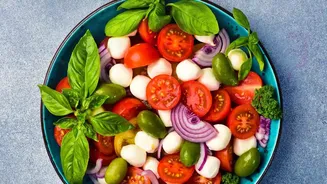
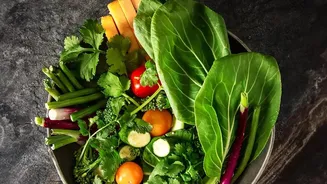
Contrary to some beliefs, the Mediterranean diet isn't about loading up on pasta and cheese. At its core, it is a flexible framework that prioritizes plant-based foods. Key principles include daily consumption of vegetables, fruits, whole grains, and healthy fats like olive oil. It features weekly intake of fish, poultry, beans, and eggs, with moderate portions of dairy. Red meat and sugary foods are limited. It is less a strict diet and more a lifestyle that emphasizes minimally processed, seasonal, and fresh ingredients. The original Greek word for diet, 'dìaita', actually translates to 'way of life', encompassing physical activity and social connection around meals.
Making It Work in an Indian Kitchen
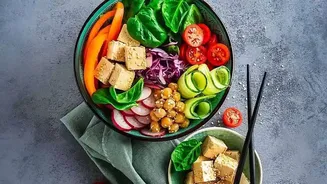
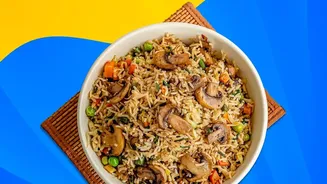
The great news is that you don't need to import expensive olive oil or feta cheese to benefit from these principles. The Mediterranean diet is highly adaptable to an Indian context. Many pillars of this eating style are already staples in Indian households. The emphasis on legumes (dals and chickpeas), seasonal vegetables (sabzis), whole grains (rotis from whole wheat or millets), and fermented dairy (dahi/yogurt) aligns perfectly. The key is to focus on the pattern: increase the variety and quantity of vegetables on your plate, use healthy fats from nuts, seeds, and local oils, and prioritize whole, unprocessed foods over packaged ones. It's about shifting proportions—making vegetables the star of the meal rather than just a side dish—and being mindful of cooking methods.
Beyond the Plate
The holistic nature of the Mediterranean lifestyle is another crucial element that is often overlooked. It's not just what is eaten, but how. Traditionally, meals are social occasions, meant to be shared with family and friends, which contributes to overall well-being. Regular physical activity was also a non-negotiable part of the lifestyle for the populations originally studied. In our modern, fast-paced world, where eating on the go and high consumption of ultra-processed foods are becoming more common even in Mediterranean regions, these lifestyle factors are more important than ever. Embracing the spirit of this 'diet' means appreciating food, enjoying meals without rushing, and staying active.