





An Ancient Seed with Modern Appeal
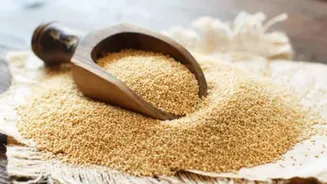
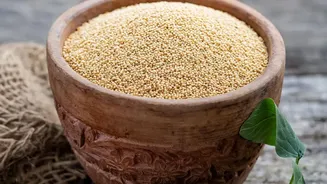
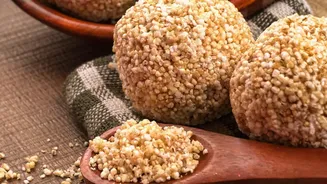
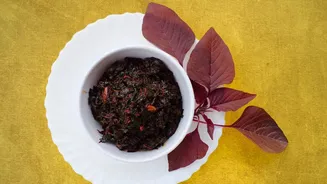
Amaranth isn't technically a grain but a 'pseudocereal,' related to beets and spinach. Cultivated for thousands of years by civilizations like the Aztecs, it was prized for its strength-giving properties. Today, this naturally gluten-free seed is regaining
popularity, not just for its versatility, but for its impressive nutritional profile. Often prepared as a porridge or used in baking, it has a nutty, earthy flavour and a texture that can add a pleasant crunch to your morning meal. Unlike many plant-based foods, amaranth is considered a complete protein, meaning it contains all the essential amino acids, including lysine, which is often lacking in other grains.
What Your Bones Really Need
Strong bones are not built on calcium alone. They are living tissues that require a complex team of nutrients to maintain their density and resilience. Calcium is the primary building block, forming the hard structure of our skeleton. However, magnesium is crucial for helping the body absorb and use that calcium effectively. Phosphorus is another major mineral that gives bones their structure, while protein creates the framework that these minerals build upon. Furthermore, minerals like manganese are essential for the processes of bone formation and maintenance. A truly bone-healthy diet looks beyond a single nutrient and embraces a symphony of supportive elements.
Amaranth’s Bone-Strengthening Lineup
This is where amaranth shines. A single cup of cooked amaranth delivers a powerful combination of bone-building minerals. It provides a significant amount of calcium, making a meaningful contribution to your daily needs. But its real strength lies in its supporting cast. That same serving is packed with phosphorus and magnesium, with the latter providing nearly half of the daily requirement for many adults. Amaranth is also an excellent source of manganese, a mineral that supports bone formation, containing over 100% of the daily value in one cup. It also contributes plant-based protein, which is vital for creating the bone's structural matrix. This potent mix of calcium, magnesium, phosphorus, and protein makes amaranth a comprehensive choice for bone nutrition.
The Bigger Picture for Skeletal Health
While amaranth is a fantastic addition to your diet, no single food can single-handedly prevent bone loss. The 'wider context' involves a holistic approach. A diet rich in a variety of bone-supportive foods is key. This includes dairy products like yogurt, leafy greens such as spinach and kale, fatty fish like salmon, and other nuts and seeds. For those avoiding dairy, amaranth works wonderfully alongside other plant-based calcium sources like tofu, almonds, and fortified plant milks to build a strong foundation for bone health. Beyond diet, lifestyle factors like regular weight-bearing exercise and adequate Vitamin D from sunlight or fortified foods are essential for helping your body absorb the calcium you consume.
Making Amaranth a Morning Habit
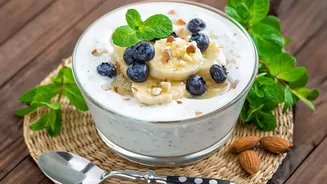
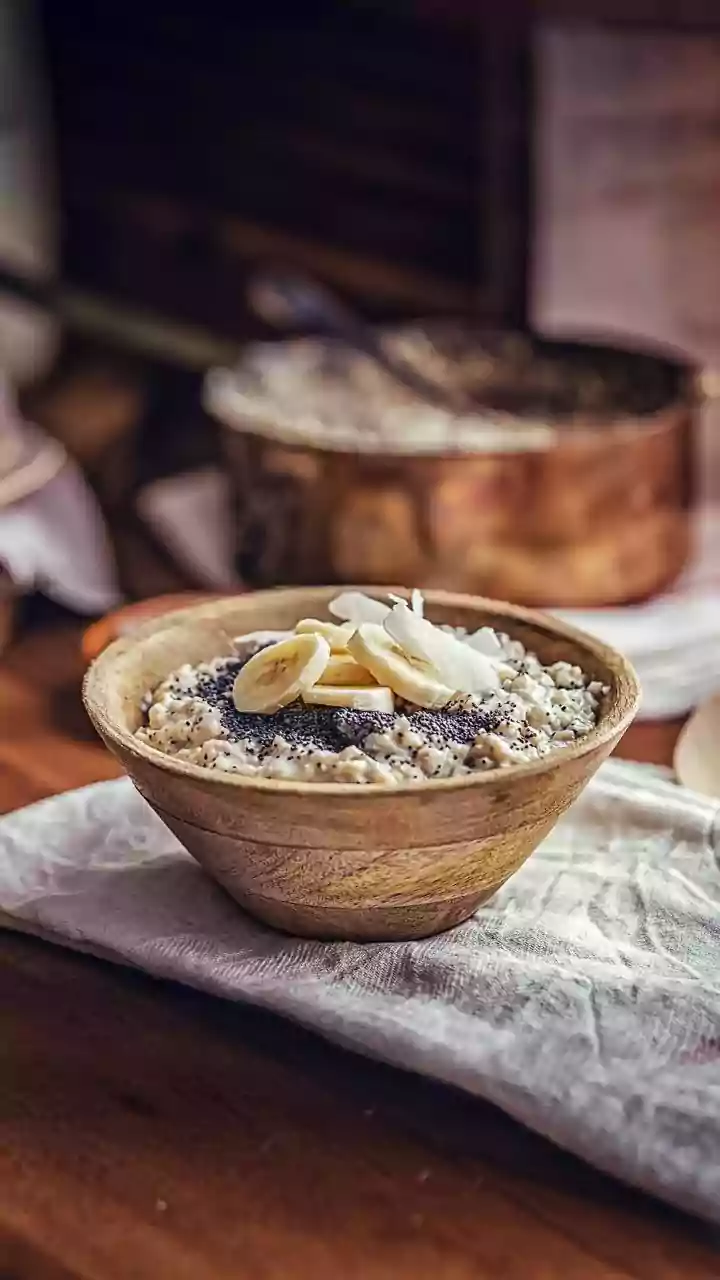
Incorporating amaranth into your breakfast routine is simple. The most common way to enjoy it is as a warm porridge. Use a ratio of about one-and-a-half cups of water to a half-cup of amaranth seeds. Bring it to a boil, then reduce the heat and let it simmer until the water is absorbed. From there, you can customise it just like you would with oatmeal. Top it with fresh fruits, a sprinkle of nuts or seeds for extra crunch and nutrients, or a drizzle of honey. You can also find amaranth flour, which can be used in pancakes or other baked goods to boost their nutritional content. Its versatility makes it an easy and practical switch for a more nutrient-dense start to your day.