


The Final Frontier of Dining
Feeding astronauts is a monumental task that goes far beyond simply packing meals. In the microgravity of space, the rules of physics change, and so must the food. A stray crumb from a biscuit isn't just messy; it’s a hazard that can float into and damage
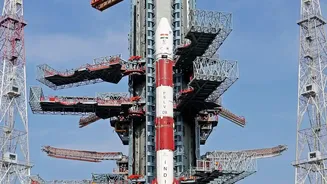
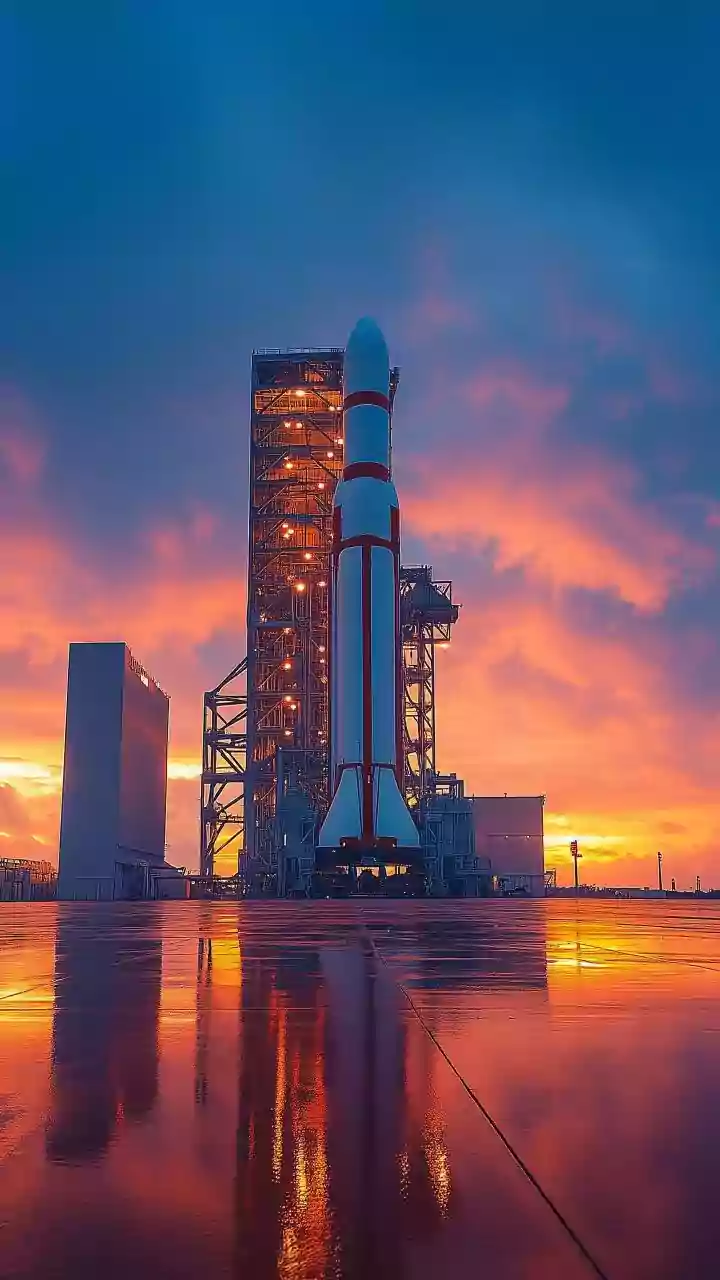
sensitive electronic equipment or be inhaled by a crew member. Liquids don’t pour; they form globules. This is the environment where scientists from DRDO’s Mysuru-based Defence Food Research Laboratory (DFRL) are working. Their job is to engineer a complete food system that is safe, efficient, and suitable for the unique conditions of a spacecraft orbiting 400 km above Earth. The challenge is to provide sustenance that is lightweight, compact, and easy to handle in a confined space where traditional cooking is impossible.
More Than Just Calories
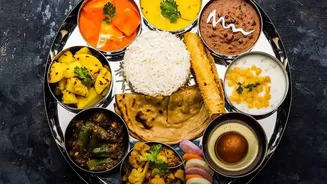
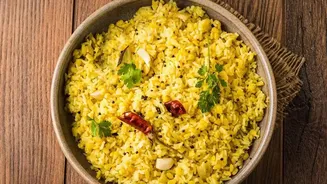
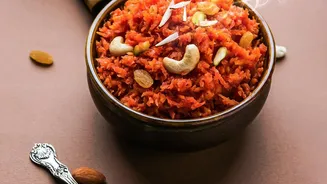
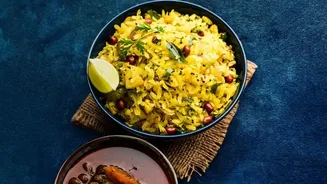
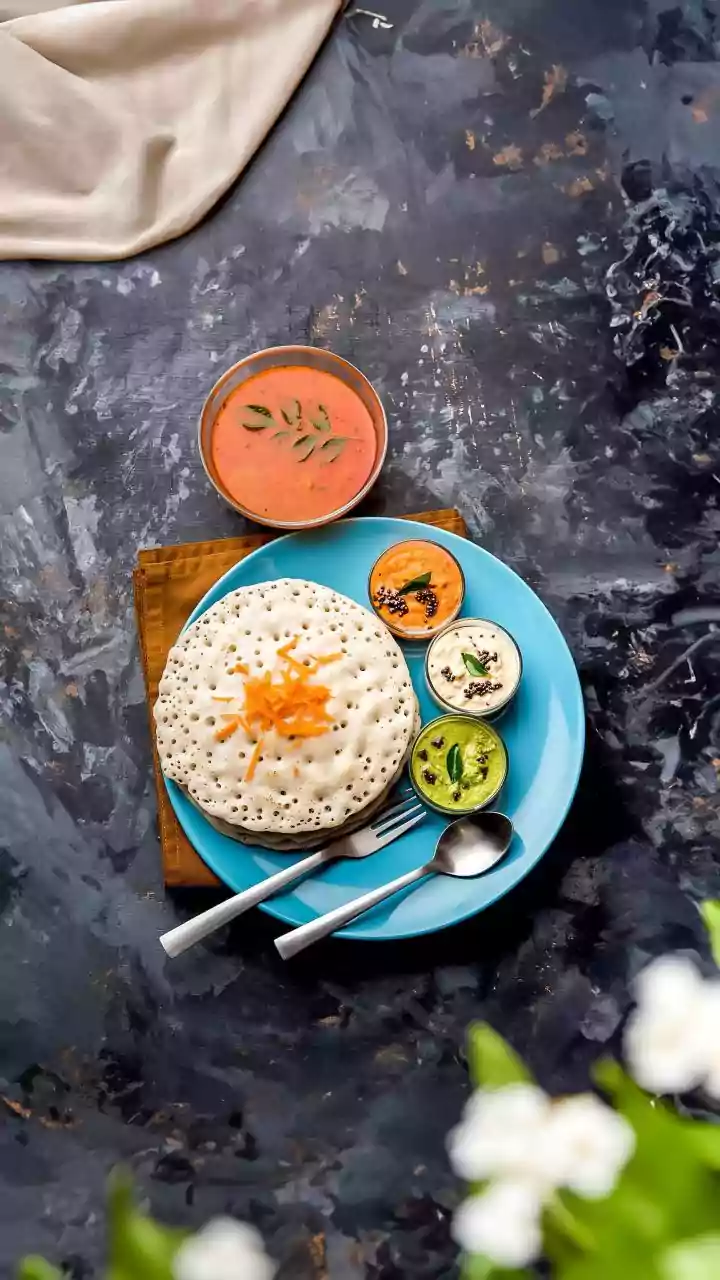
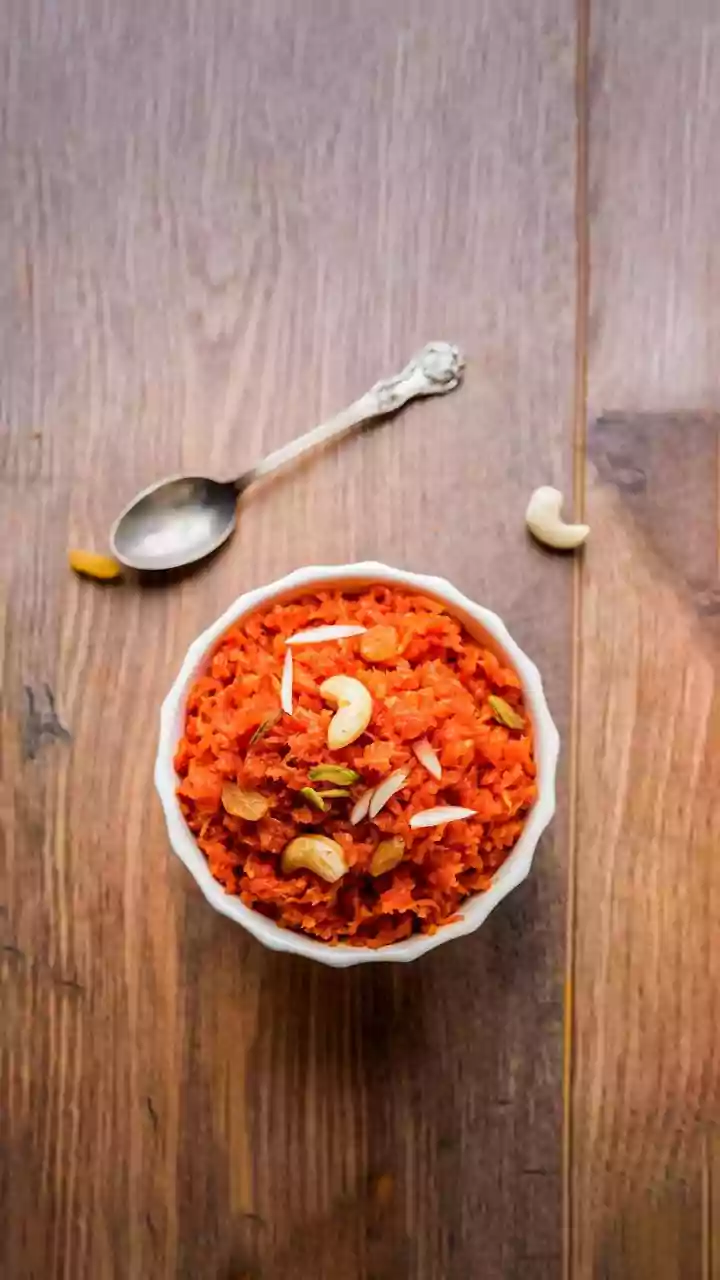
An astronaut's diet is a precise science. Spaceflight affects the human body in profound ways, including potential bone density loss and muscle atrophy. To counter this, the food developed by DFRL, in collaboration with institutions like the National Institute of Nutrition (NIN), must be nutritionally fortified. It needs to provide a balanced intake of vitamins, minerals, and calories—roughly 2,500 per day—tailored to the physiological stresses of space. But food is also about morale. For astronauts on a demanding, multi-day mission, a familiar and tasty meal can be a significant psychological boost. Recognising this, DFRL has curated a menu of over 30 Indian dishes, including favourites like vegetable biryani, idli-sambar, moong dal halwa, and chicken korma, all adapted for the final frontier.
The Packaging Puzzle
Perhaps the most complex aspect is packaging. Space food packs are marvels of engineering. They must be lightweight yet durable enough to protect the contents. For the Gaganyaan mission, DRDO has developed special multi-layered retort pouches. These flexible pouches are designed to be extremely tough, with low permeability to oxygen and vapour to prevent spoilage. They also solve the problem of eating in zero gravity. Foods are either ready to eat directly from the pouch or are rehydratable, requiring astronauts to inject water. DRDO has also designed special containers and straws for drinking liquids and food warmers to provide a hot meal. Crucially, the packaging must also help manage waste, a critical consideration in a closed environment like a space capsule.
A Question of Stability
Space food must have a long shelf life—at least a year or more—without refrigeration. This is where 'stability' comes in. The food must remain safe, retain its nutritional value, and taste good after months in storage. DFRL employs advanced food preservation techniques to achieve this. Processes like freeze-drying, which removes moisture, and thermostabilization (or retort processing), where food is heated to high temperatures to kill microbes, are key. Every single item undergoes rigorous testing to ensure it meets strict microbiological safety standards and can withstand the rigours of a space launch and the subsequent mission. This intense qualification process is why developing a space-ready menu is so time-consuming and challenging.