








Start with the Spectacular
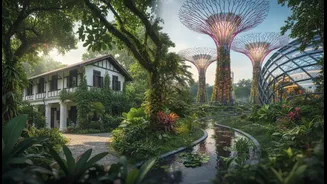
Begin your journey at Gardens by the Bay, Singapore's futuristic national icon. Home to over 1.5 million plants from around the world, this is a statement of ambition and horticultural showmanship. The towering Supertrees, with their dazzling nightly
light-and-sound show, are an unmissable spectacle. The cooled conservatories—the Flower Dome and the Cloud Forest—offer a breathtaking escape into different climates, showcasing everything from ancient olive trees to a misty mountain cloaked in lush vegetation. While undeniably a tourist magnet, Gardens by the Bay serves as the perfect, high-impact starting point. It represents the grand, modern vision of Singapore's green identity, setting the stage for a deeper exploration of the city's more organic and historic green spaces. See it not as the destination, but as the gateway to a more nuanced garden journey.
A Walk Through Living History
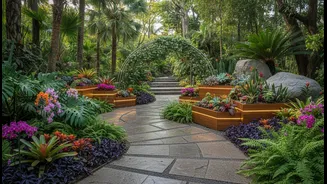
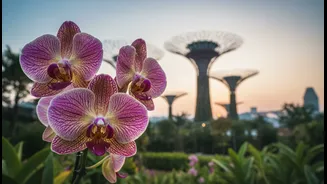
From the modern marvel, your next stop is the Singapore Botanic Gardens, the nation's first UNESCO World Heritage Site. Founded in 1859, this is where Singapore's 'Garden City' vision first took root. It represents a different kind of perfection—one of heritage, time, and legacy. The Gardens played a crucial role in the region's rubber boom in the early 20th century and stands as a testament to the evolution of a British colonial botanic garden into a world-class scientific institution. Stroll through the tranquil rainforest, one of the few remaining patches of primary forest in the city, or visit the National Orchid Garden, which houses the world’s largest collection of orchids. It feels less like an attraction and more like a living, breathing part of Singapore's soul. It's the perfect bridge between the spectacular and the serene.
The Hill of Kings and Colonels
Next, venture to Fort Canning Park, a hilltop landmark steeped in centuries of Singaporean history. Long before the arrival of the British, this was known as Bukit Larangan, or 'Forbidden Hill', the revered resting place of ancient Malay kings. Later, it became the site of Sir Stamford Raffles' residence and eventually a British military fort, where the decision to surrender to the Japanese in World War II was made in an underground command centre. Today, the 18-hectare park is a quiet green sanctuary in the heart of the bustling city. As you wander past ancient artefacts, colonial-era gateways, and spice gardens, you are walking through layers of history. It’s a space where nature isn't just for show but serves as a quiet custodian of the nation's most pivotal stories.
An Elevated Escape Above the City
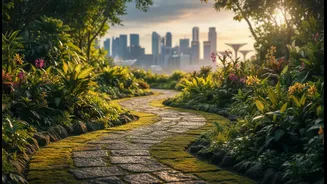
For a different perspective, head to the Southern Ridges. This 10-kilometre trail connects a series of parks, offering panoramic views of the city, harbour, and southern islands. The journey is more about the experience of walking through and above the canopy than visiting a single destination. Key highlights include the Henderson Waves, Singapore's highest pedestrian bridge, known for its artistic, undulating wave-like structure, and the Forest Walk, a raised metal walkway that takes you through the treetops of Telok Blangah Hill Park. This is where locals come to jog, walk, and escape the urban grind. It represents the integration of green space into the everyday lives of Singaporeans, a network of pathways that provide both recreation and a vital connection to nature.
Finding Serenity in a Hidden Corner
To complete the route, find a quieter, more intimate space that reveals the charm of neighbourhood life. Ann Siang Hill Park, tucked away in a bustling heritage district, is a perfect example. This small, verdant park is nestled between historic shophouses and provides a peaceful respite from the busy streets below. It’s a place where you can appreciate the intentional preservation of small green pockets amidst dense urban development. The park features trees like tamarind, cinnamon, and nutmeg, hinting at the area's trading past. This final stop isn't about grand vistas or world records; it's about the simple, restorative power of a small garden, a quiet bench, and a moment of peace. It’s a testament to the idea that in a true garden city, nature thrives in the grandest statements and the quietest corners alike.