



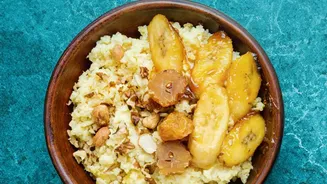
The Modern Millet Renaissance
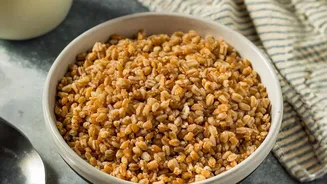
For generations, millets like ragi (finger millet), jowar (sorghum), and bajra (pearl millet) were staples in Indian kitchens before being overshadowed by wheat and rice. Now, a significant shift is underway. Driven by a renewed focus on health, sustainability,
and a rediscovery of traditional foods, millets are making a major comeback. This resurgence was boosted by initiatives like the UN's International Year of Millets in 2023, which put these hardy grains back in the spotlight. No longer seen as just 'old-fashioned' grains, millets are being embraced for their versatility and nutritional prowess, finding their way into everything from upscale restaurant menus to everyday home cooking.
Why Ragi Is a Breakfast Champion
Among the family of millets, ragi is a standout, especially for the first meal of the day. It is a nutritional powerhouse, naturally gluten-free, and packed with benefits. Ragi is celebrated for its high calcium content, crucial for bone health. It's also a rich source of dietary fibre, which aids digestion, promotes a feeling of fullness, and can help manage weight. Furthermore, ragi is loaded with iron, which helps combat anaemia, and has a low glycemic index, making it an excellent choice for regulating blood sugar levels. Its complex carbohydrates provide sustained energy, preventing the mid-morning slump often associated with sugary breakfast cereals.
Crafting the Perfect Ragi Pancake
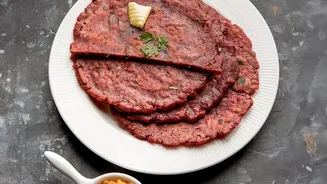
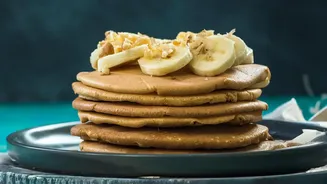
The beauty of the ragi pancake lies in its simplicity and familiarity. It transforms a nutrient-dense but perhaps unfamiliar flour into a soft, fluffy breakfast treat. The base is simple: ragi flour, often mixed with a bit of whole wheat flour (atta) for better structure, although it can be made with 100% ragi. To achieve a light and fluffy texture, a leavening agent like baking powder or baking soda is essential. The batter is typically brought together with milk (dairy or plant-based) and a binder like egg, yoghurt, or mashed banana, which also adds natural sweetness. Many recipes suggest letting the batter rest for about 10 minutes before cooking; this allows the flour to hydrate fully and helps create a softer pancake.
Beyond the Basic Batter: Flavours and Toppings
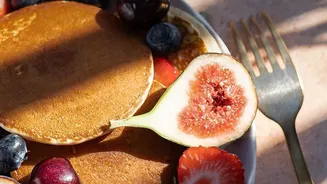
While the basic ragi pancake is delicious on its own, it’s a versatile canvas for a variety of flavours. You can sweeten the batter naturally with mashed ripe bananas, date paste, or a touch of jaggery, eliminating the need for refined sugar. Spices like cardamom and cinnamon add a warm, aromatic touch that complements ragi's earthy flavour perfectly. When it comes to toppings, the options are endless. A classic drizzle of honey or maple syrup is always a winner. For a healthier twist, top your pancake stack with fresh fruits, nuts, and seeds. You can also embrace traditional Indian flavours by serving them with a jaggery-based syrup.
A Healthy Habit for the Whole Family
Introducing new, healthy foods to a family can sometimes be a challenge. The pancake format, however, is a game-changer. It’s a familiar and beloved food for all ages, making ragi pancakes an easy and effective way to introduce the goodness of millets to children and picky eaters. By presenting this nutritious grain in a form they already love, you can boost their intake of essential nutrients like calcium, iron, and fibre without a fuss. It proves that a transition to healthier eating doesn't require drastic changes, but rather smart, delicious swaps.