


The Plank
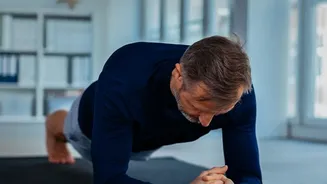
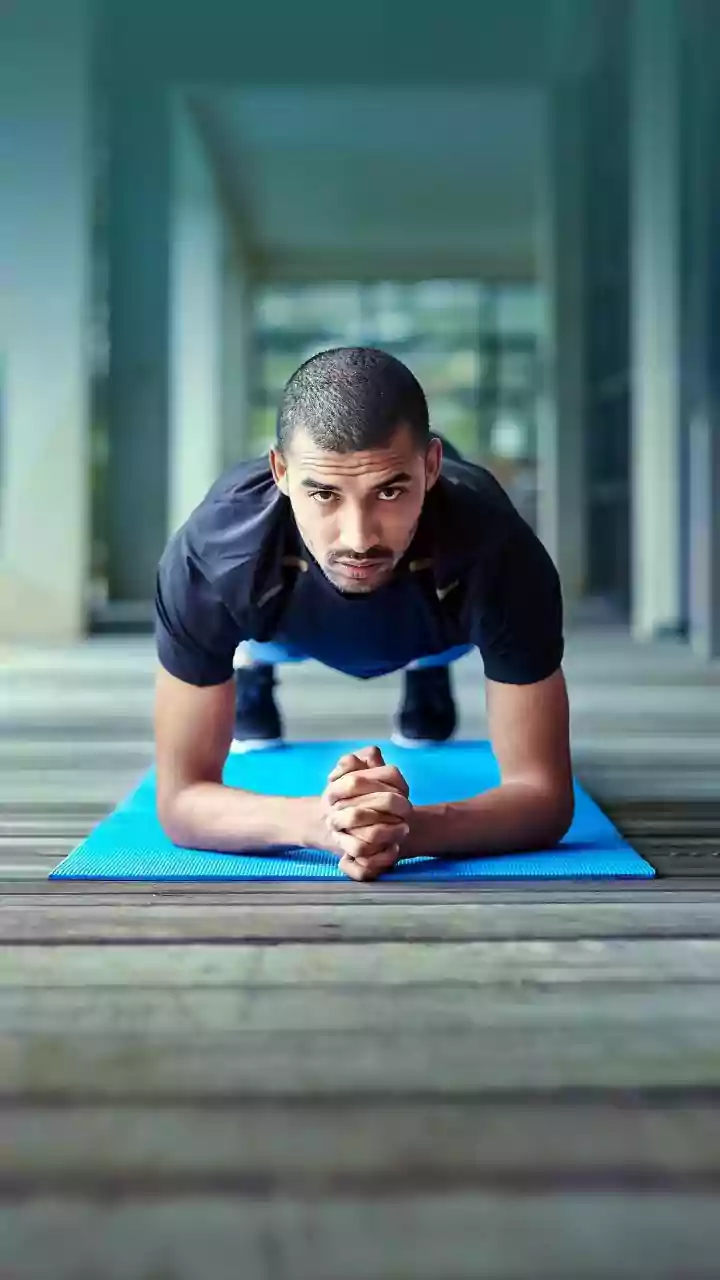
The plank is a fundamental exercise for a reason: it engages multiple core muscles at once to build strength and stability. It teaches your body to remain rigid and stable, which is crucial for protecting your spine in daily life. To perform a plank,
start by lying on your stomach. Place your forearms on the floor with your elbows directly under your shoulders and your hands clasped. Lift your hips off the floor, keeping your back straight and your body in a line from head to heels. Avoid letting your hips sag or rise too high. Engage your abdominal muscles by pulling your belly button towards your spine. For beginners, holding this position for 20 to 30 seconds is a great start. As you get stronger, you can gradually increase the duration.
The Dead Bug
This exercise is fantastic for developing core control and coordination without putting stress on your lower back. The name might be unusual, but its benefits are serious. It specifically targets the deep abdominal muscles that act like a corset for your midsection. To begin, lie on your back with your arms extended towards the ceiling and your knees bent at a 90-degree angle, directly over your hips. Keeping your core tight and your lower back pressed gently into the floor, slowly lower your right arm and left leg toward the ground simultaneously. Go as low as you can without arching your back. Return to the starting position with control and repeat on the other side, lowering your left arm and right leg. Aim for 10 to 12 repetitions on each side.
The Glute Bridge
Your torso includes your lower back and glutes, and the glute bridge is one of the best ways to strengthen this posterior chain. Strong glutes support the lower back and improve your overall posture. Lie on your back with your knees bent, feet flat on the floor about hip-width apart, and your arms by your sides. Your heels should be a comfortable distance from your glutes. Squeeze your glutes and lift your hips off the floor until your body forms a straight line from your shoulders to your knees. Be careful not to over-extend and arch your back. Hold the position at the top for a couple of seconds, squeezing your glutes tightly, before slowly lowering your hips back down. Complete 12 to 15 repetitions.
The Bird-Dog
The bird-dog is another excellent exercise for improving stability, challenging your balance and strengthening the muscles along your spine. It teaches your body to keep the torso stable while your limbs are in motion. Start on all fours in a tabletop position, with your hands directly under your shoulders and your knees under your hips. Keep your back flat and your neck in line with your spine. Engage your core, then simultaneously extend your right arm straight forward and your left leg straight back. Focus on keeping your hips and shoulders square to the floor, avoiding any tilting or rotation. Hold for a moment before returning to the starting position. Repeat on the other side with your left arm and right leg. That’s one repetition. Aim for 10 reps.
The Modified Side Plank
A complete torso workout must include the sides, known as the obliques. The side plank targets these muscles, which are vital for preventing side-to-side bending of the spine and for overall rotational stability. The modified version is perfect for beginners. Lie on your right side with your right elbow directly beneath your shoulder and your knees bent. Keeping your ribs and hips in a straight line, lift your hips off the floor. You should feel the muscles on the side of your waist working. Hold this position for 15 to 30 seconds, making sure to breathe steadily. Lower your hips back down and repeat on the left side. As you build strength, you can progress to a full side plank with your legs extended.