




The Foundation: Perfecting the Soil
The success of a lemon tree begins below the surface. Lemon trees despise 'wet feet', making excellent drainage the most critical factor for their soil. Standard garden soil is too dense, compacts easily, and holds excessive water, which can lead to root
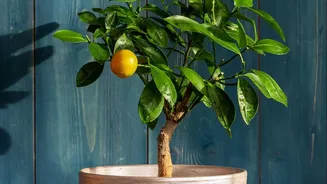
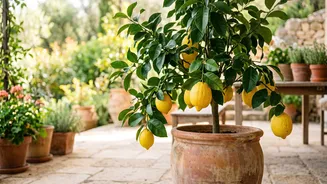
rot. For potted lemon plants, it is essential to use a potting mix specifically formulated for citrus or to create your own well-draining blend. A high-quality mix often includes components like pine bark fines, perlite, coco coir, or peat moss. This combination provides structure, allows water to flow through freely, and ensures roots have access to the oxygen they need to thrive. The ideal soil should be slightly acidic, with a pH between 6.0 and 7.0. You can purchase pre-made citrus potting soil, which takes the guesswork out of the equation. When planting, ensure the pot has ample drainage holes and that you plant the tree at the same depth it was in its nursery container to prevent trunk rot.
Chasing the Sun: Sunlight Requirements
Lemon trees are sun worshippers, and their energy to produce flowers and fruit comes directly from sunlight. To thrive, a lemon tree needs a minimum of six to eight hours of direct, unfiltered sunlight every day. For trees planted outdoors, choose the sunniest spot in your garden, preferably one that is also sheltered from strong winds. If you are growing your lemon tree indoors, placement is key. A spot next to a south-facing window is often the best option to maximize daily sun exposure. In climates with shorter or less intense daylight hours, especially during winter, your tree may struggle to get the light it needs. In these cases, supplementing with a grow light can make a significant difference, preventing leggy growth and encouraging the tree to flower and set fruit. A tree that receives insufficient light may survive, but it is unlikely to be productive, often resulting in few to no lemons.
The Art of Watering: A Delicate Balance
Watering is where many new lemon tree owners encounter problems. Both overwatering and underwatering can cause similar symptoms like yellowing leaves and leaf drop, making it tricky to diagnose. The key is to water deeply but infrequently, allowing the soil to partially dry out between sessions. Instead of watering on a rigid schedule, check the soil moisture first. A simple method is to insert your finger two to three inches into the soil; if it feels dry at that depth, it's time to water. When you do water a potted tree, continue until you see water flowing out of the drainage holes at the bottom. This ensures the entire root ball is saturated. Afterward, be sure to empty any excess water from the saucer, as letting the pot sit in standing water is a fast track to root rot. Potted trees tend to dry out much faster than those in the ground and will need more frequent watering, especially during hot and dry weather. Adjust your watering frequency based on the season, reducing it during the cooler, dormant months.
Common Pitfalls to Avoid
Beyond the big three, a few common mistakes can hinder your lemon tree's health. The most frequent error is using a pot without adequate drainage, which is a death sentence for the roots. Another issue is choosing a pot that is too large right away; it is better to gradually move up in pot size as the tree grows to prevent the soil from staying wet for too long. Dark-colored pots can also be a problem in very hot climates, as they can absorb too much heat and bake the roots. Finally, remember that potted citrus trees are heavy feeders. The frequent watering required for containers leaches nutrients from the soil more quickly. To support healthy growth and fruit production, feed your tree with a balanced, citrus-specific fertiliser during the growing season from spring through summer.