






Top of the Global List
In the recently released 2026 Travel & Tourism Development Index (TTDI) from the World Economic Forum, Japan reclaimed the top spot among 110 economies. This influential report assesses the factors and policies that enable the sustainable and resilient
development of the tourism sector. For Japan, this top ranking isn't a surprise but a confirmation of its long-standing strengths. The index credits the country's high marks to its world-class transport systems, abundant cultural resources, and overall safety and hygiene. Essentially, Japan provides a seamless, enriching, and reliable environment for travellers, making it one of the best-equipped nations to handle and nurture tourism.
A Cultural Powerhouse
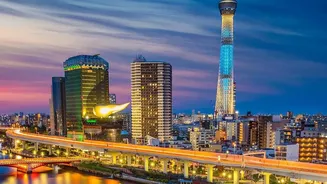
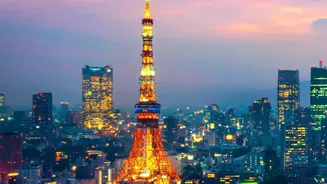
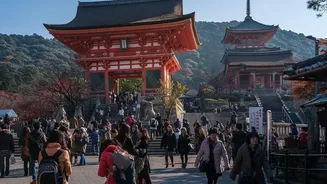
One of the core pillars of Japan's touristic appeal is its deep and diverse cultural landscape. The WEF report specifically highlights cultural resources as a key driver of its high ranking. This isn't just about ancient history; it's a living, breathing part of the country's identity that captivates visitors. You can step back in time while wandering through the serene temples and shrines of Kyoto, or immerse yourself in the vibrant, futuristic pop culture of Tokyo's Harajuku and Akihabara districts. The nation boasts numerous UNESCO World Heritage sites that are easily accessible, alongside traditional arts like tea ceremonies and kabuki theatre. This seamless blend of the ancient and the hyper-modern means there is a cultural experience for every type of traveller, from the history buff to the pop-culture enthusiast.
Nature's Abundant Beauty
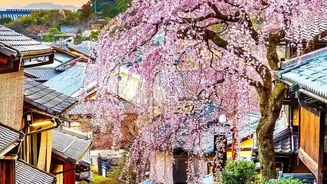
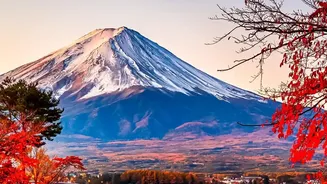
Beyond its bustling cities and cultural landmarks, Japan is a country blessed with immense natural beauty. From the snow-capped peak of the iconic Mount Fuji to the subtropical beaches of Okinawa, the diversity of landscapes is staggering. The changing seasons bring their own distinct charm, most famously the delicate pink cherry blossoms in spring and the fiery hues of autumn foliage, which draw millions of visitors. The country’s commitment to preserving these assets is evident in its numerous national parks and well-maintained hiking trails. This natural appeal provides a perfect counterbalance to the urban energy, allowing travellers to easily combine a city break with a peaceful retreat into nature. The WEF index acknowledges these natural resources as a fundamental component of Japan's tourism strength.
Infrastructure That Just Works
Perhaps the most critical element tying everything together is Japan's legendary infrastructure. The country's ground transportation network, particularly the Shinkansen (bullet train), is a marvel of efficiency, speed, and punctuality, making it incredibly easy to explore different regions. Major cities are known for their clean streets, reliable public transport, and excellent tourist service infrastructure. This high level of organisation removes many of the common stresses associated with travel, allowing visitors to focus on enjoying their trip. The WEF’s index consistently gives Japan top marks for its infrastructure, recognising that this foundation of efficiency and connectivity is what makes its cultural and natural attractions so accessible to a mass audience.
Sustaining the Success
With record numbers of visitors—reaching a projected 42.7 million in 2025—Japan also faces the challenge of 'overtourism'. However, authorities have been proactive. A key reason for its top 2026 ranking was its successful strategy to encourage tourists to venture beyond the 'golden route' of Tokyo, Kyoto, and Osaka. By promoting lesser-known regional destinations, Japan is distributing the economic benefits of tourism more evenly and easing pressure on its most popular spots. This strategic approach, which combines promotion with crowd management, demonstrates a commitment to sustainable growth, ensuring the visitor experience remains high-quality for years to come.