


The Power Within the Plant
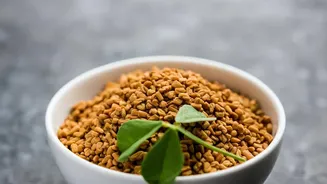
Fenugreek, used as both a fresh leafy green (methi) and a dried seed (methi dana), is a nutritional powerhouse. The seeds are particularly notable for their high fibre content, containing up to 25% dietary fibre. A significant portion of this is soluble
fibre, which forms a gel-like substance in the digestive tract. This fibre plays a crucial role in its health benefits. Beyond fibre, fenugreek seeds and leaves are packed with vitamins and minerals, including iron, magnesium, vitamin B6, and antioxidants. This impressive nutritional profile is the foundation of its long-standing use in traditional medicine and its reputation as a 'functional food'.
The Fibre and Cholesterol Connection
So, how does fenugreek actually affect cholesterol? The magic lies primarily in its soluble fibre and compounds called steroidal saponins. When you consume fenugreek, the soluble fibre can bind with cholesterol and bile acids in your intestines. Instead of these being absorbed into your bloodstream, they are carried out of the body as waste. This process helps lower levels of low-density lipoprotein (LDL), often called 'bad' cholesterol. Several scientific reviews and studies have noted that regular fenugreek consumption is associated with modest reductions in total cholesterol, LDL cholesterol, and triglycerides. Some research even indicates it can help raise high-density lipoprotein (HDL), or 'good' cholesterol.
Reality Check: A Helper, Not a Replacement
This is where we must draw a clear line. While fenugreek can be a valuable part of a heart-healthy diet, it is not a substitute for cholesterol-lowering medications like statins. Medical treatments for high cholesterol are rigorously tested, highly concentrated, and designed to achieve significant, reliable reductions in cholesterol production in the liver. The effects of dietary additions like fenugreek are generally more modest. Think of it this way: fenugreek is a helpful team player in your overall health strategy, which should also include a balanced diet, regular exercise, and stress management. However, statins are the expert intervention prescribed by a doctor when lifestyle changes alone are not enough to bring cholesterol down to a safe level. Relying solely on fenugreek for a serious medical condition like hyperlipidemia would be like using a bucket to empty a flooding room when you really need a high-powered pump. It helps, but it cannot do the job on its own.
Using Fenugreek Seeds (Methi Dana)
To get the benefits of fenugreek seeds without being overwhelmed by their natural bitterness, a little preparation goes a long way. The most common method in Indian cooking is tempering, or 'tadka'. Frying a few seeds in hot oil or ghee for just 5-10 seconds until they darken slightly transforms their flavour from bitter to pleasantly nutty and aromatic. Be careful not to burn them. You can also soak a teaspoon of seeds in water overnight and drink the water or chew the softened seeds in the morning. For a less bitter taste, try sprouting them. Soaked seeds can also be ground into batters for dosa or added to curries. Roasting and grinding the seeds creates a powder that can be used sparingly in spice blends.
Cooking with Fenugreek Leaves (Methi)
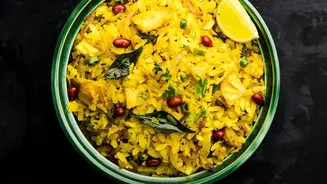
Fresh fenugreek leaves are a delicious vegetable in their own right, popularly used in dishes like 'Aloo Methi' (potatoes with fenugreek) or added to dals and parathas. Dried fenugreek leaves, known as 'Kasuri Methi', have a more concentrated, earthy aroma. They are often crumbled and added near the end of cooking to finish rich, creamy dishes like butter chicken or paneer curries, providing a beautiful fragrance and depth of flavour. A key tip is to add the leaves towards the end of the cooking process, as prolonged high heat can increase their bitterness.