


The Magic of the Unplanned Stop
South Africa's most famous driving routes are more than just a path from A to B; they are sprawling corridors of discovery. A rigid itinerary might get you to your next hotel on time, but it will rob you of the spontaneous moments that define a great
adventure. Imagine breezing past a hand-painted sign for 'Freshly Baked Roosterkoek' or a scenic lookout that isn't in your guidebook. These impromptu stops—a secluded beach, a quirky farm stall, a local art gallery in a tiny town—are where the real memories are made. Routes like the famous Garden Route and the winding Route 62 are packed with these hidden gems. Giving yourself the time to pull over on a whim transforms a simple drive into a rich, immersive experience.
Embracing 'Africa Time'
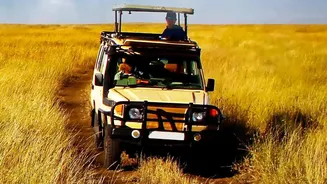
Experienced travellers to the region will be familiar with the concept of 'Africa Time'—a more relaxed and fluid approach to schedules. This isn't a negative; it's an invitation to slow down. A strict timeline can create unnecessary stress when you encounter road construction, get stuck behind a slow-moving truck on a mountain pass, or, more delightfully, find yourself in the middle of a spontaneous wildlife sighting. A herd of elephants crossing the road ahead is a reason to celebrate, not a frustrating delay. A flexible schedule allows you to absorb these moments without feeling pressured. This approach fosters a more authentic connection with the country and its people, encouraging you to interact with locals who can offer insider tips that no travel guide can provide.
Routes That Reward Spontaneity
Certain routes in South Africa seem custom-made for the flexible traveller. The Panorama Route in Mpumalanga is a prime example. While you can tick off the main sights like the Blyde River Canyon (the world's third-largest), God's Window, and Bourke's Luck Potholes in a day, you would miss the true scale of its beauty. A flexible plan allows you to wait for the morning mist to clear for the perfect photo or take a detour to a lesser-known waterfall like Lisbon or Lone Creek Falls. Similarly, Route 62, the world's longest wine route, winds through charming towns like Montagu and Barrydale. A rigid plan might have you just driving through, but a flexible one lets you stop for an unplanned wine tasting, explore historic Cape Dutch architecture, or enjoy a meal at a local eatery.
Practical Tips for Flexible Planning
So, how do you plan for spontaneity? Start by booking your accommodation for only the first and last nights of your trip. This gives you a solid start and end point while leaving the middle open to adventure. During the off-peak season, finding quality lodging on the go is often easier and more affordable. Platforms like LekkeSlaap, Agoda, and various last-minute deal sites are valuable tools for finding places to stay with short notice. Instead of a fixed daily itinerary, create a list of 'potential' stops and attractions. This gives you a sense of direction without locking you in. Most importantly, build buffer days into your trip. Having an extra day or two with no plans allows you to linger longer in a place you love or follow an unexpected recommendation without derailing your entire journey.