
Understanding the Ginger Compress
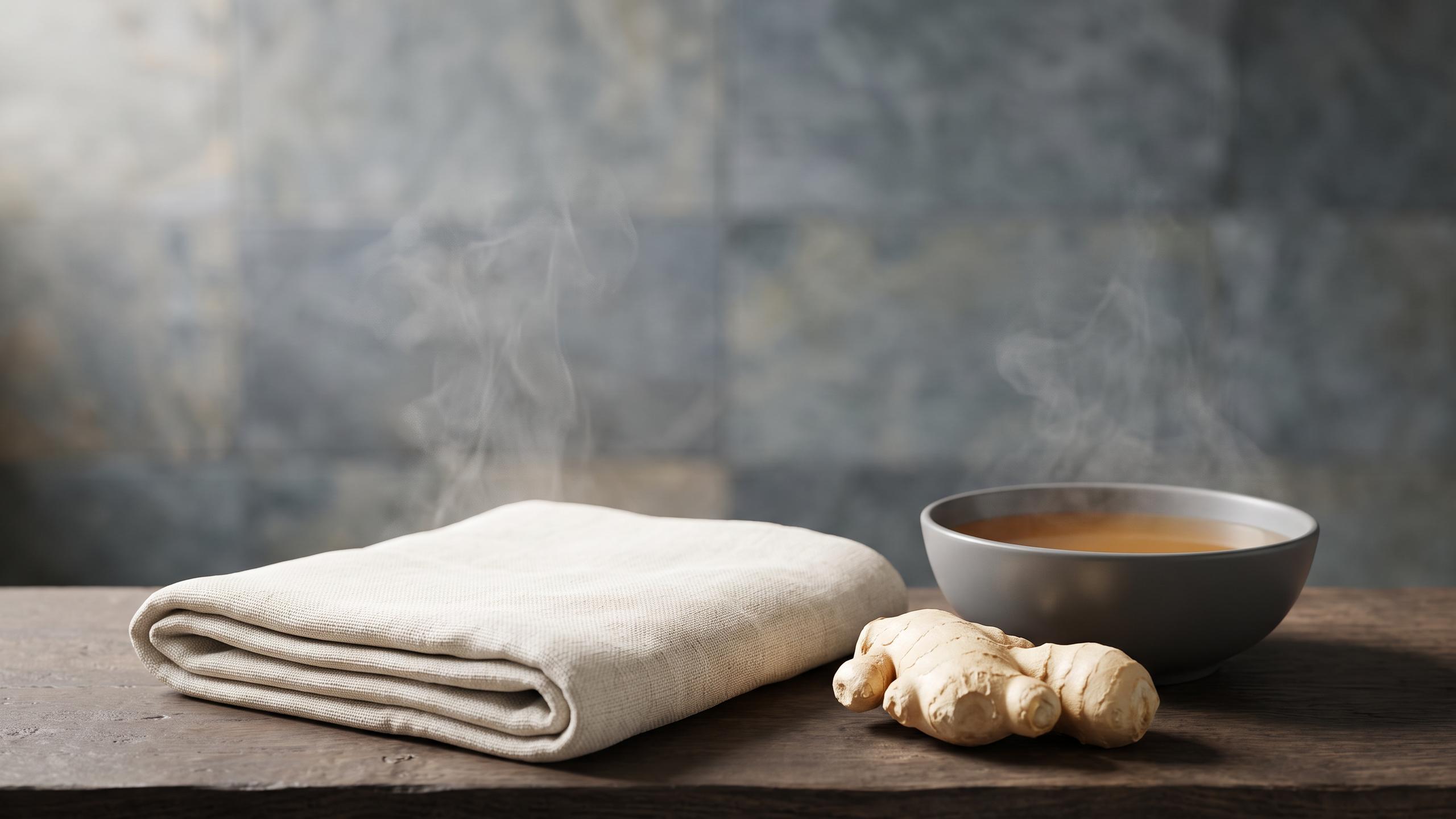
Rooted in practices like Traditional Chinese Medicine and Ayurveda, the ginger compress is essentially a towel soaked in hot, ginger-infused water and applied to the skin. For centuries, it has been used as a natural method to address discomfort and promote
wellbeing. The potent combination of heat and ginger's natural properties is thought to improve circulation and relieve tension in the area of application. It’s a technique often used to provide comfort for sore muscles, joint stiffness, and menstrual cramps. The penetrating warmth helps relax the body and is believed to aid in dissolving stagnation, whether that be tense muscles or built-up mucus.
Gathering Your Supplies
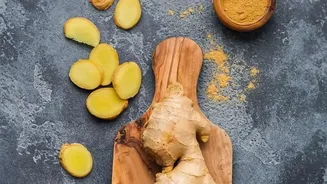
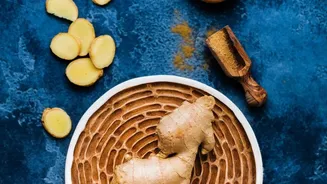
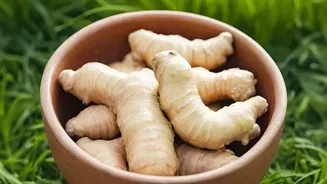
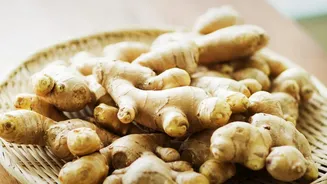
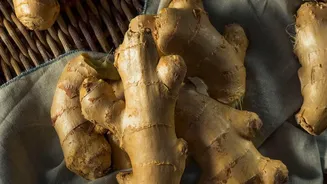
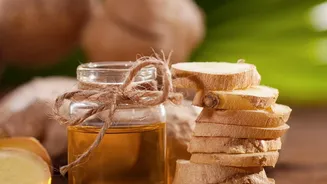
Creating a ginger compress requires only a few basic kitchen items. Before you begin, make sure you have everything ready to ensure a smooth and relaxing process. You will need a large piece of fresh ginger root (about a handful, or golf-ball sized), a grater, a large pot with a lid, about two litres of water, a small cotton cloth or cheesecloth, and at least two small hand towels. It’s also wise to have a larger, dry bath towel on hand to place over the compress, which helps to retain the heat for longer. Fresh ginger is highly recommended over powdered for potency.
Step 1: Grating and Bundling the Ginger
The first step is to prepare the ginger. Take your fresh ginger root and grate it finely using a standard kitchen grater. You should have roughly a handful of grated ginger. Once grated, place the ginger pulp into the center of your square of cheesecloth or thin cotton cloth. Gather the corners of the cloth and tie it securely to create a small, self-contained bundle or pouch. This prevents the grated ginger pieces from floating freely in the water, which would make the application process messy.
Step 2: Simmering the Infusion
Next, fill your large pot with about two litres of water and bring it to a boil. Once the water is boiling, turn off the heat. Place your ginger bundle into the hot water and cover the pot with a lid. Let the ginger steep for at least five to ten minutes. This allows the active compounds and strong aromatic oils from the ginger to infuse the water thoroughly. The water should not be actively boiling when you apply the compress, as this poses a risk of scalding the skin.
Step 3: Soaking and Applying the Compress
Now you are ready to prepare the compress itself. Dip one of your hand towels into the hot ginger water, wring it out tightly so that it is damp but not dripping, and carefully test the temperature on your forearm. It should be hot, but comfortably so. Place the hot towel on the desired area of the body, such as the lower back, abdomen, or a sore joint. Immediately cover the wet towel with a dry bath towel to insulate it and trap the heat. While one towel is in use, the other can be left soaking in the pot. Rotate the towels every few minutes to maintain a consistent warmth. Continue this process for about 15 to 20 minutes, or until the skin in the area becomes pink and warm.
Important Safety Considerations
While generally safe, there are some important precautions to take. The primary risk is skin burns from water that is too hot, so always test the towel’s temperature before applying it. It's advisable to avoid using ginger compresses over open wounds, sensitive skin, or areas with tumours. It should also be avoided on infants, the elderly, or when a high fever is present. Some sources advise against applying the compress directly over the spine, especially if there is a history of spinal injections. If you experience any skin irritation, discontinue use.