


The Science of Feeling Full
That lingering hunger often points to a missing key player on your plate: protein. Of the three main macronutrients—protein, fats, and carbohydrates—protein is the most satiating. It slows down digestion, which keeps food in your stomach longer and helps
you feel full. Protein also plays a crucial role in regulating appetite hormones, signalling to your brain that you've had enough. Furthermore, it helps stabilise blood sugar levels, preventing the sharp spikes and subsequent crashes from carb-heavy meals that can trigger cravings and a false sense of hunger.
Common Vegetarian Meal Mistakes
Many people transitioning to or following a vegetarian diet fall into a common trap: simply removing meat without adequately replacing the protein and density it provided. This can lead to meals that are heavy on refined carbohydrates but low in staying power. A plate of plain pasta with a simple tomato sauce or a salad with only leafy greens and a light dressing are classic examples. While not unhealthy, these meals lack the protein and substance required to keep hunger at bay for long. Without a conscious effort to include protein, you're likely not consuming enough calories or nutrients to feel genuinely satisfied.
Power Up with Plant-Based Proteins
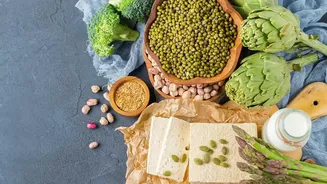
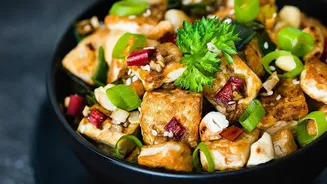
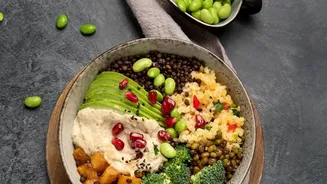
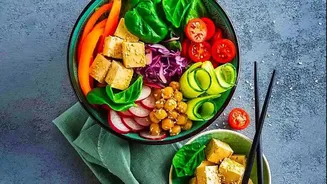
The good news is that the plant kingdom is packed with excellent protein sources. Building your meals around these foods is the first step towards lasting satisfaction. For a typical Indian diet, this is easier than you think. Lentils (dal), chickpeas (chole), and kidney beans (rajma) are protein powerhouses. Dairy products like paneer and Greek yoghurt are also fantastic choices. Don't overlook soy products like tofu and edamame, which are complete proteins containing all essential amino acids. Nuts and seeds like almonds, walnuts, and chia seeds not only add protein but also a satisfying crunch and healthy fats.
Don't Forget Fibre and Healthy Fats
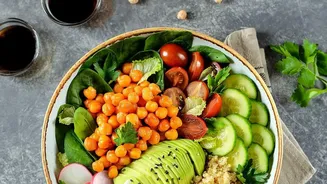
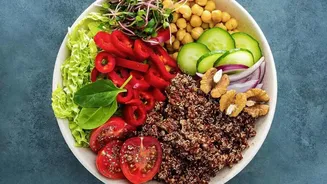
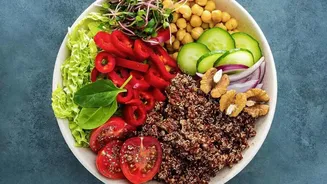
While protein is the star, it works best with a strong supporting cast. Fibre and healthy fats are also essential for satiety. Fibre, found abundantly in whole grains, vegetables, and legumes, slows down digestion and adds bulk to your meals, helping you feel full on fewer calories. Swapping white rice for brown rice or quinoa can make a significant difference. Healthy fats, found in avocados, nuts, seeds, and olive oil, also contribute to a feeling of fullness by slowing stomach emptying. A meal that balances all three—protein, fibre, and fat—is the gold standard for satisfaction.
Building a Better Vegetarian Plate
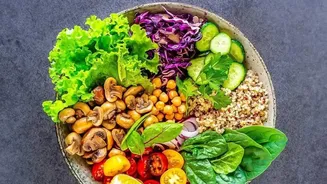
Putting it all together is simple. Think of your plate as a template. Aim to have a primary protein source make up about a quarter of your meal. Instead of just a sabzi and roti, ensure there's a generous serving of dal, paneer bhurji, or a chickpea curry. Accompany it with a whole grain like brown rice or a multigrain roti. Fill the rest of your plate with fibre-rich vegetables. A simple kachumber salad or a side of roasted vegetables adds volume and nutrients. Finally, add a sprinkle of healthy fats—perhaps some toasted pumpkin seeds on your sabzi or a dollop of ghee on your dal. This balanced approach transforms a light meal into a truly sustaining one.