


The Power of Slow and Controlled
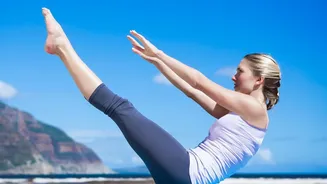
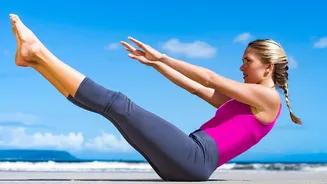
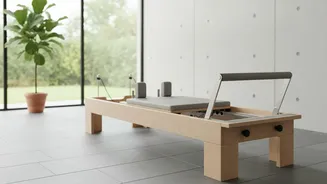
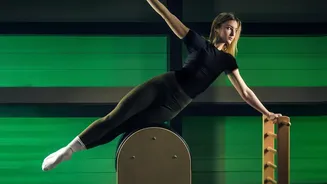
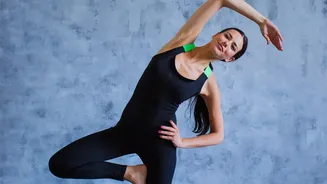
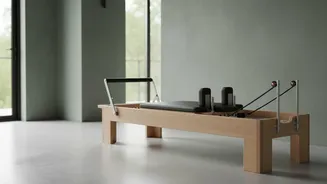
Pilates is a low-impact exercise method focused on building core strength, improving posture, and increasing flexibility. The exercises, often performed on a mat or a reformer machine, involve slow, precise movements and controlled breathing. The original
name for the practice was even 'Contrology', emphasizing the importance of moving with intention. This approach is exceptional for targeting the deep stabilizing muscles in your abdomen, lower back, and hips—often called the 'powerhouse'. By strengthening this core foundation, Pilates helps improve body awareness, balance, and overall muscular control, which can prevent injuries. While it might not leave you breathless, the sustained muscle engagement required in Pilates builds significant endurance and toned strength without putting stress on your joints.
The Rush of Fast and Furious
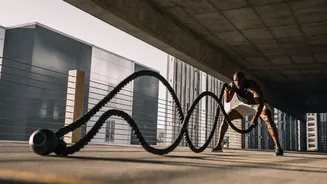
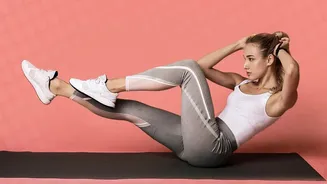
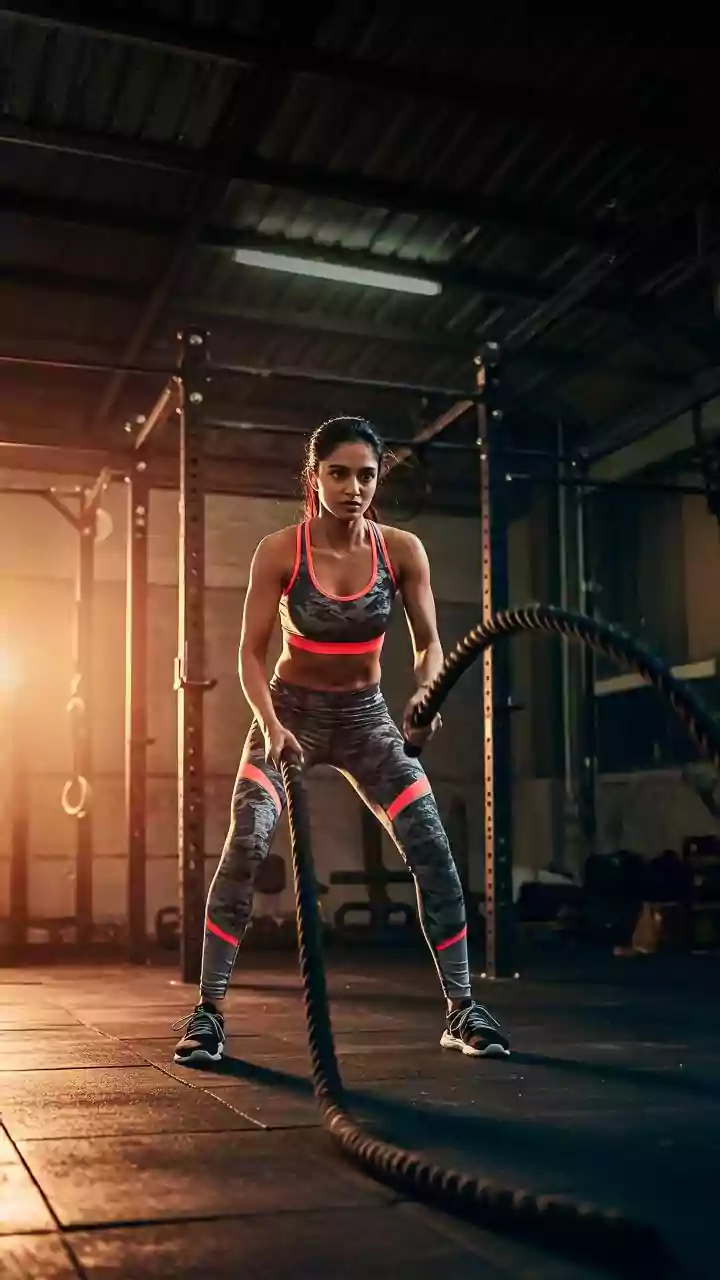
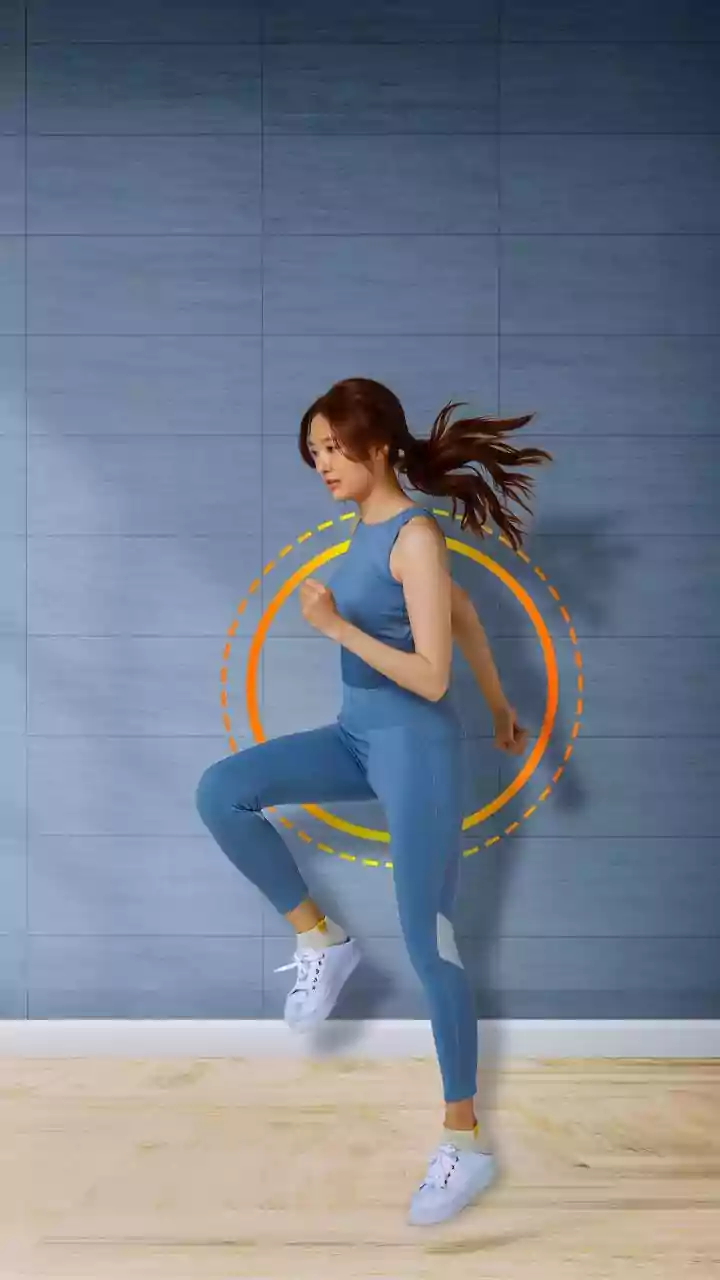
Circuit training sits at the opposite end of the intensity spectrum. It involves performing a series of different exercises for a set number of repetitions or a specific duration, with minimal rest in between. This format combines strength training and high-intensity aerobics into one time-efficient session. The primary benefit is a major cardiovascular workout; keeping your heart rate elevated strengthens your heart and improves lung capacity. This high-energy output also leads to a significant calorie burn, not just during the workout but for hours afterward due to a process known as the 'afterburn effect'. Because circuit workouts are so versatile, they can be adapted for any fitness level and can target the entire body in as little as 30 minutes, making them a popular choice for those with busy schedules.
For Maximum Fat Loss
If your primary goal is shedding kilos, the science points towards high-intensity workouts. Circuit training, with its elevated heart rate and high calorie expenditure, is generally more effective for fat loss than Pilates. Studies have shown that circuit training can lead to significant reductions in body fat. While Pilates does burn calories—with advanced routines being comparable to a brisk walk—it typically doesn't match the energy output of a fast-paced circuit session. However, Pilates can play a crucial supporting role by building lean muscle, which boosts your overall metabolism. A body with more muscle burns more calories even at rest. So, while circuits might be the engine for fat loss, Pilates helps make that engine more efficient.
For Muscle Tone and Strength
Here, the answer depends on the kind of strength you want to build. Circuit training, especially when incorporating weights, is excellent for building overall muscle mass and strength in larger muscle groups. It's effective for creating that traditionally 'sculpted' look. Pilates, on the other hand, excels at creating long, lean muscle tone and developing deep, functional strength. It focuses on the smaller, stabilizing muscles that are often neglected in other forms of exercise. This enhances muscular control and endurance. So, for visible muscle gain, circuits have an edge. For improved posture, core stability, and balanced strength across the entire body, Pilates is the champion.
The Best of Both Worlds
The good news is that you don't have to choose. In fact, fitness experts often recommend combining these two distinct styles for a well-rounded routine. Pilates and fast-paced circuits like HIIT (High-Intensity Interval Training) complement each other perfectly. Using circuit training for your high-intensity days provides the cardiovascular challenge and calorie burn, while Pilates can be used on active recovery days to improve flexibility, reduce muscle soreness, and prevent injury by strengthening the core and improving body mechanics. Alternating between the two can help you avoid workout plateaus, reduce the risk of burnout, and train your body in a more holistic way—building endurance through intensity and resilience through control.