





The Numbers Behind the Noise
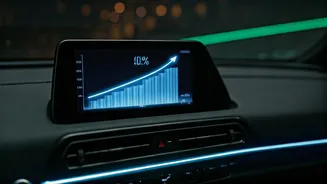
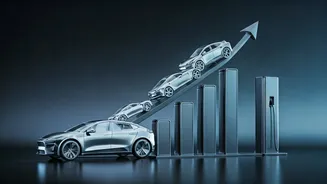
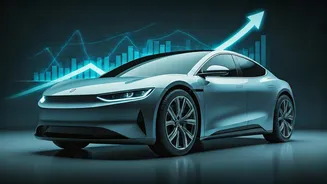
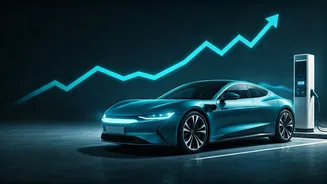
The story of India's EV transition is increasingly being told through data, not just anecdotes. In June 2026, the electric passenger vehicle (PV) segment crossed a major milestone, surpassing 30,000 monthly sales for the first time. Total e-PV sales reached
31,253 units, a staggering 106% increase compared to the 15,203 units sold in June 2025. This isn't a one-off spike; it represents consistent momentum, with sales growing 12% from the previous month of May 2026. This surge indicates that EV adoption is moving beyond early adopters and entering the mainstream, a sentiment echoed by industry leaders. The first half of 2026 saw over 150,000 electric passenger vehicles sold, an 80.5% growth over the same period last year, signalling a robust and sustained shift in consumer preference.
Two-Wheelers Lead the Charge
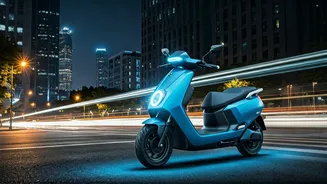
While electric cars grab headlines, the real revolution is happening on two wheels. India's electric two-wheeler market is booming, with registrations climbing to around 193,000 units in June 2026 alone. This segment is where the volume lies, making up the largest portion of EV sales in the country. In June, electric two-wheelers accounted for over 10% of all two-wheeler registrations, a significant penetration level. The competition here is fierce. TVS Motor has taken the lead with a market share of about 24%, closely followed by Bajaj Auto at 22%. Other major players like Ather Energy, Hero MotoCorp's Vida, and Ola Electric are also key contributors in a dynamic and rapidly evolving market. The growth is driven by rising fuel costs, lower operating expenses, and a wider availability of products that cater to daily commuters.
The Four-Wheeler Frontier
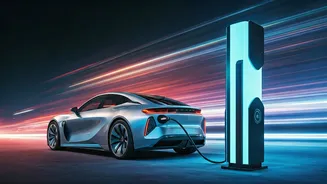
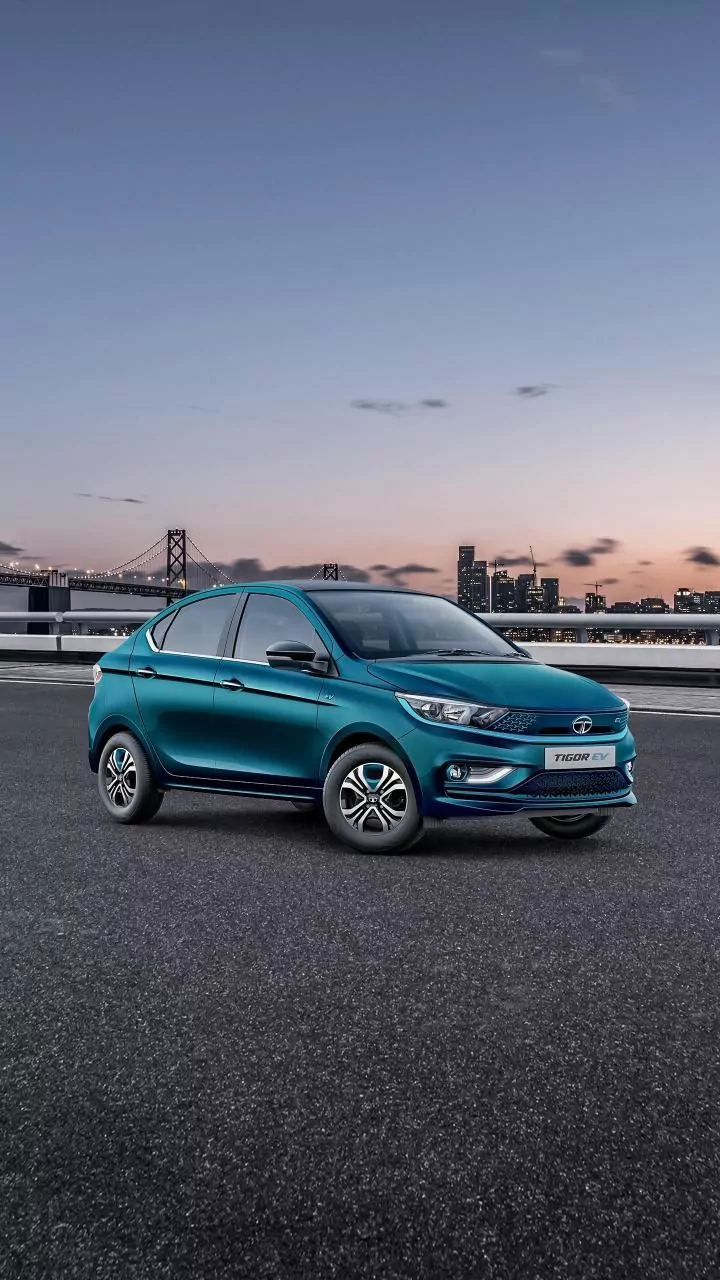
In the electric car and SUV space, a clear leader has emerged. Tata Motors continues to dominate, accounting for a massive 38% of the market. In June 2026, the company sold over 12,000 EVs, a 125% year-on-year jump, thanks to popular models like the Nexon EV and the newer Punch EV. However, the competition is intensifying. Mahindra & Mahindra has solidified its second-place position, registering over 7,600 electric SUVs in the same month. JSW MG Motor holds the third spot, while legacy giant Maruti Suzuki is making inroads with its first electric SUV. New entrants like Vietnamese automaker VinFast are also starting to make their presence felt, indicating a vibrant and competitive future for the e-PV market.
What's Fuelling the Growth?
Several factors are converging to accelerate EV adoption. Government incentives have played a crucial role. Policies like the FAME (Faster Adoption and Manufacturing of Electric Vehicles) scheme have helped reduce the high upfront cost of EVs. While FAME-II has ended, a new FAME-III scheme is expected soon, likely focusing on the high-volume two and three-wheeler segments. Beyond subsidies, rising and volatile petrol prices make the lower running costs of EVs more attractive. A growing environmental consciousness among consumers and a wider variety of models to choose from are also significant drivers. Automakers are responding with innovative models and even new ownership structures, like battery-as-a-service, to make EVs more accessible.
Roadblocks on the Path to an Electric Future
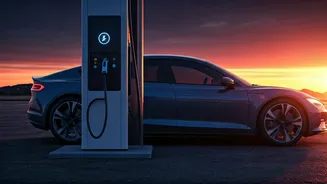
Despite the impressive growth, the road ahead is not without challenges. The most significant hurdle remains the charging infrastructure, which is still inadequate, especially in smaller cities and along highways. This creates 'range anxiety' for potential buyers who worry about running out of power on a trip. The high initial purchase price of EVs, although falling, remains a barrier for many compared to their petrol or diesel counterparts. Furthermore, India is heavily dependent on imports for critical battery components like lithium-ion cells, which creates supply chain vulnerabilities. For the transition to be truly successful and scalable, these structural issues of infrastructure, cost, and supply chain localization must be addressed systematically.