



The E20 Push Explained
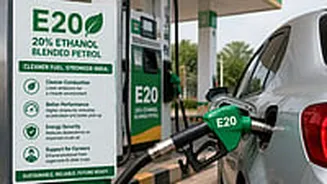
To understand the current debate, one must first understand E20 fuel. It's a blend of 80% petrol and 20% ethanol, an alcohol-based biofuel derived from sources like sugarcane. The Indian government has mandated its use nationwide to reduce crude oil imports,
lower carbon emissions, and support the agricultural economy. While E10 (10% ethanol) was common for years, the accelerated shift to E20 as the standard fuel has caught many consumers off guard, particularly those with vehicles manufactured before E20-compliance became mandatory in April 2023.
Mercedes-Benz Sounds a Cautionary Note
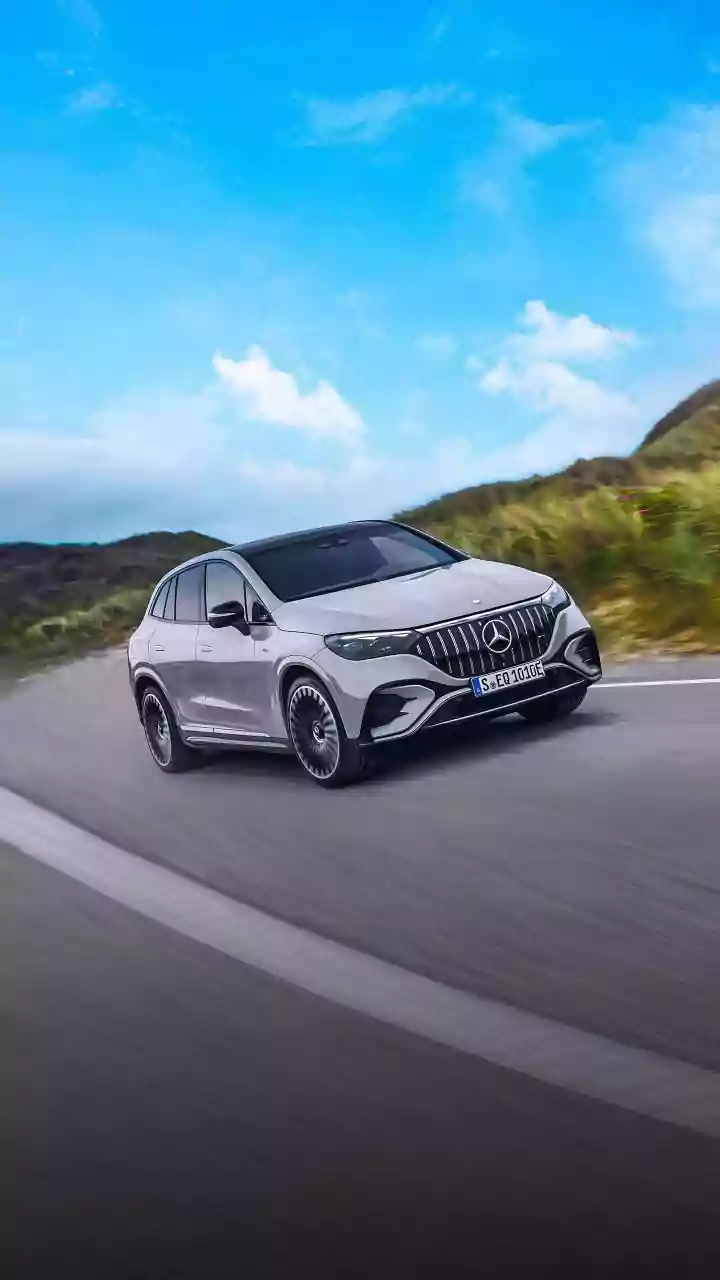
The latest chapter in this saga began when Mercedes-Benz India issued a customer advisory via social media. The statement clarified that "All Mercedes-Benz petrol BS VI vehicles are materially compatible with E20 fuel and certified accordingly by relevant authorities." This was partly seen as a response to a popular vlogger who claimed his Mercedes SUV's mileage dropped dramatically after using the new fuel. However, the advisory sparked more questions than answers. Owners quickly pointed out that their vehicle manuals and fuel filler caps for many BS6 models only recommend up to E10 fuel, creating an apparent contradiction. The company's statement used the term "materially compatible," which implies that while the materials in the fuel system (hoses, gaskets) can withstand the more corrosive nature of ethanol, it doesn't guarantee optimised performance for older engines.
Potential Risks for Your Engine
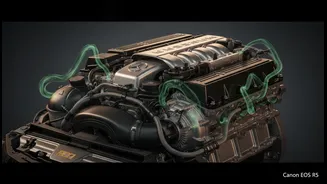
Using a fuel with a higher ethanol content than recommended isn't a simple matter. Ethanol is hygroscopic, meaning it absorbs moisture from the air. Over time, this can lead to water collecting in the fuel tank, potentially causing corrosion and engine misfires. Furthermore, ethanol can be more corrosive than petrol to certain rubber and plastic components found in the fuel systems of older, non-compliant vehicles. While a single tank of E20 is unlikely to cause immediate failure in a car designed for E10, continuous use can accelerate wear and tear on the fuel pump, injectors, and seals. Another major complaint from consumers is a noticeable drop in fuel efficiency, as ethanol has a lower energy density than petrol, meaning the engine must burn more fuel to produce the same power.
How Other Luxury Brands Are Responding
The spotlight isn't just on Mercedes-Benz. BMW India's President has stated that while their recent cars are prepared for up to E25 blends, many existing vehicles on the road—from all manufacturers—cannot simply be upgraded for higher ethanol blends like E30. He highlighted that it's a complex engineering challenge, not a simple software update. Some reports indicate that user manuals for other luxury brands like Audi have also specified E10 as the maximum recommended blend for certain recent models. This suggests a wider industry issue where official vehicle documentation hasn't kept pace with the rapid, nationwide fuel policy changes, leaving premium car owners in a state of confusion.
A Checklist for Concerned Owners
If you own a luxury vehicle, especially one manufactured before mid-2023, uncertainty is understandable. The first step is to verify your car's compatibility. Check the sticker inside your fuel filler cap and consult your owner's manual; this is the original guidance for your specific model. If the manual recommends E10, using E20 carries some risk, even if the manufacturer has issued a broader, newer statement. Pay close attention to your vehicle's performance. Monitor for any significant or persistent drop in mileage, rough idling, or difficulty starting. Finally, for a definitive answer, contact your dealership's authorised service centre with your Vehicle Identification Number (VIN). They should be able to provide the most accurate information regarding your specific car and its E20 readiness.