





Fitness That Doesn't Feel Like Work
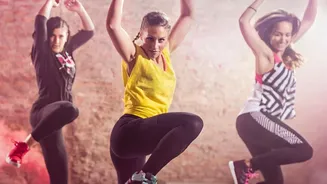
Let’s be honest: the thought of another hour on the treadmill doesn’t always spark joy. Group dance classes offer a refreshing alternative to repetitive gym workouts. They provide a full-body workout that improves cardiovascular health, muscular endurance,
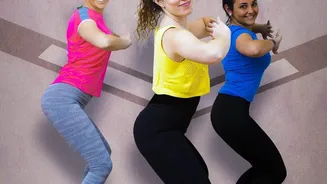
flexibility, and coordination. Unlike isolated exercises, a dance class engages your core, legs, and arms in fluid, continuous motion, often feeling more like a celebration than a chore. Styles ranging from salsa and swing to contemporary and hip-hop each provide unique physical challenges. The focus on rhythm and movement means you're burning calories and building strength without constantly checking the clock. Moreover, the structured movements and emphasis on proper form can improve posture and balance, benefits that carry over into daily life long after the music stops.
A Powerful Antidote to Urban Stress
The mental load of a demanding career is significant. Dance classes serve as a powerful form of stress relief because they require complete focus. When you're concentrating on learning choreography and moving in time with the music, there’s little mental space left for work worries or that endless to-do list. This creates a state of active mindfulness that promotes inner calm. Physically, dancing releases endorphins, the brain's natural mood-boosting chemicals, which can help alleviate symptoms of anxiety and depression. Studies have shown that rhythmic movement helps reduce levels of the stress hormone cortisol, leaving you feeling lighter and more emotionally balanced. It’s a mental reset that provides a creative outlet for emotional expression, something often missing from the structured logic of professional life.
Finding Your Community in the City
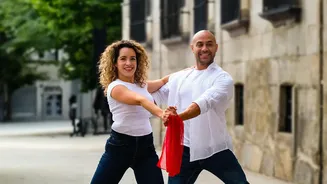
In an era of remote work and digital-first friendships, urban loneliness is a growing concern. Group dance classes provide a structured, low-pressure environment to build genuine human connections. Unlike the gym, where headphones often signal a desire for solitude, dance studios foster collaboration and interaction. Working with partners or in small groups to learn a routine builds trust and camaraderie. Shared laughter over a missed step or collective pride in mastering a difficult sequence creates natural bonds. These studios become a 'third place'—a crucial social hub outside of home and work—where people with a shared interest can find a sense of belonging. Many participants find these weekly classes become a social highlight, leading to friendships that extend beyond the studio walls.
Boosting Brainpower and Confidence
The benefits of dance extend deep into cognitive function. Learning and memorizing choreography is a fantastic workout for the brain, enhancing both short-term and long-term memory. This mental exercise improves concentration, spatial awareness, and problem-solving skills. Studies have even linked regular dancing to a reduced risk of dementia. Beyond the brain boost, there's a significant impact on self-esteem. Mastering a new skill that requires you to step outside your comfort zone builds incredible confidence. Performing moves in front of peers helps overcome shyness and fosters a healthier relationship with your body. This newfound confidence often translates into other areas of life, from improved posture in the boardroom to a greater willingness to tackle new challenges.