


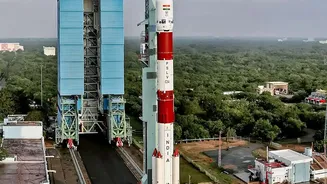

In a significant boost for India's self-reliant navigation capabilities, the Indian Space Research Organisation (ISRO) has successfully guided its NVS-03 satellite into its designated geosynchronous orbit. This is a crucial milestone.
A New Guardian for Indian Skies
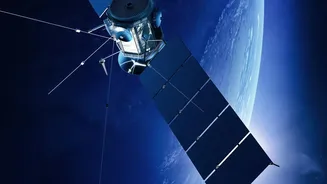
NVS-03 is the latest
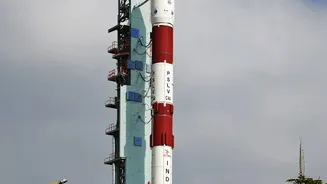
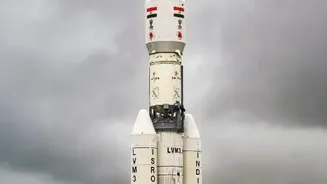
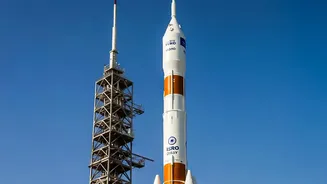
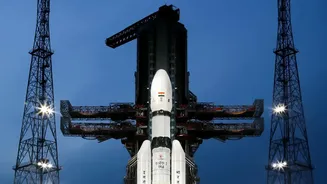
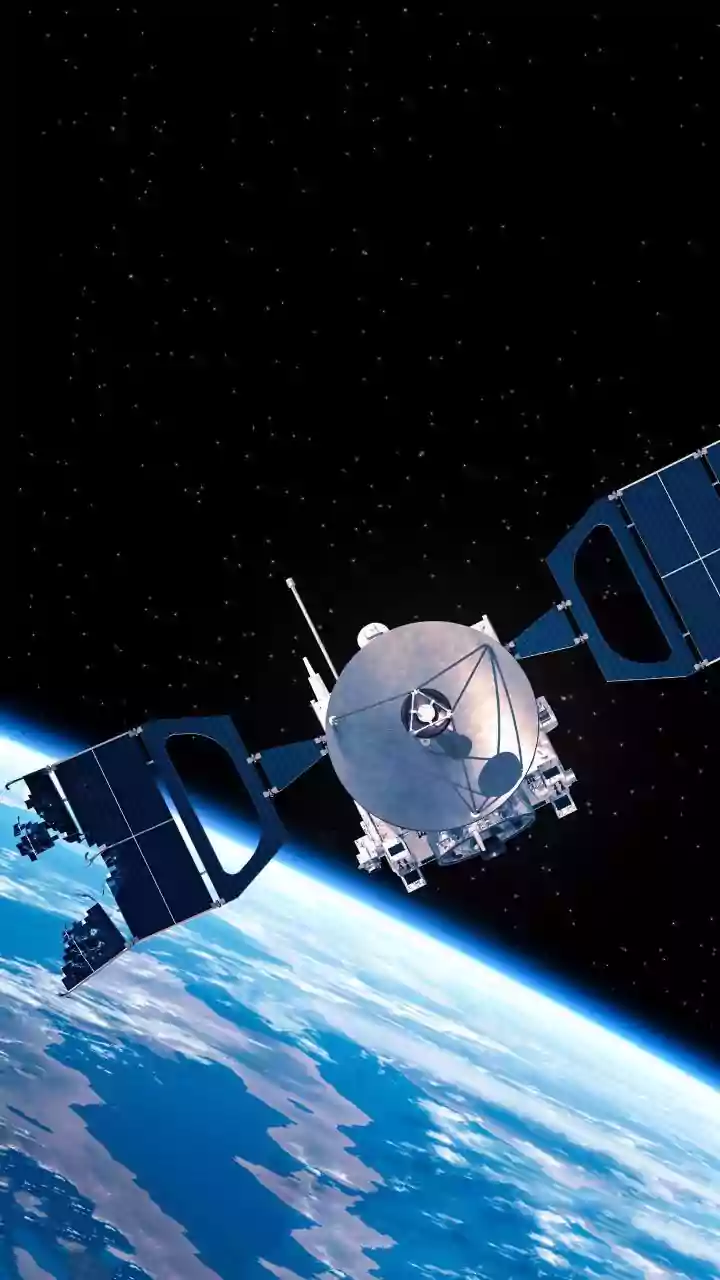
satellite in India's second-generation navigation series, designed to strengthen the Navigation with Indian Constellation (NavIC) system. Think of NavIC as India’s homegrown answer to the American GPS, providing vital positioning, navigation, and timing services across the country and a 1,500-kilometre region beyond its borders. Launched aboard a GSLV-F18 rocket on October 30, 2026, the 2,250 kg satellite was first placed into a temporary Geosynchronous Transfer Orbit (GTO). Following this, ISRO’s scientists and engineers meticulously performed a series of four orbit-raising manoeuvres, using the satellite's onboard Liquid Apogee Motor (LAM) to nudge it into its final, stable home nearly 36,000 km above the Earth.
Fixing the Heartbeat of Navigation
This success is particularly sweet because it validates crucial reliability improvements made by ISRO. The first generation of NavIC satellites (known as the IRNSS series) faced significant challenges with their imported Rubidium atomic clocks. These clocks are the ultra-precise heart of any navigation satellite, providing the timing data that allows a receiver on the ground to calculate its position. An error of even a microsecond can throw a location off by 300 meters. The premature failure of several imported clocks on earlier satellites threatened the continuity of NavIC services, making it a national priority for ISRO to find a durable solution.
An Indigenous Solution Takes Flight
The most important reliability improvement aboard NVS-03 is the inclusion of an indigenously developed Rubidium atomic clock. Designed and built by ISRO's Space Applications Centre in Ahmedabad, this homegrown technology reduces India's dependence on foreign suppliers for such a critical component. By developing its own atomic clocks, ISRO gains complete control over the design, manufacturing, and testing process, ensuring the long-term resilience of the NavIC constellation. NVS-03 is the third satellite to carry this domestic clock into orbit, marking a significant step towards full self-reliance in precision timing technology.
What This Means for NavIC and India
With NVS-03 now in orbit, ISRO moves closer to restoring the NavIC constellation to its full operational strength. For standalone positioning services, a minimum of four satellites are required, and the system's health had been compromised due to earlier clock failures and an unsuccessful launch of a replacement satellite, NVS-02. The successful placement of NVS-03 is a vital step in replenishing the constellation. Furthermore, the new generation of NVS satellites broadcasts on the L1 frequency band, which is commonly used by civilian devices. This enhances interoperability with other global navigation systems like GPS and makes it easier for NavIC to be integrated into everyday smartphones and wearable devices, paving the way for wider public adoption.