




A Continent of Surprising Gains
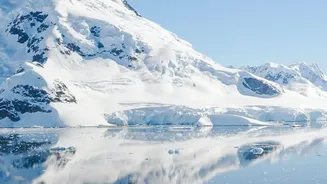
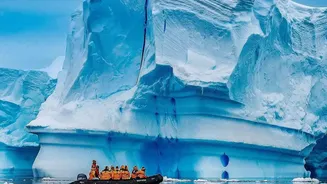
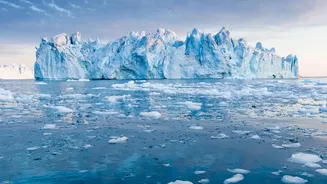
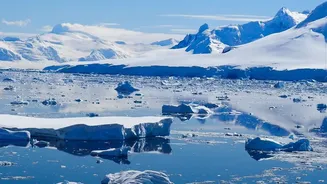
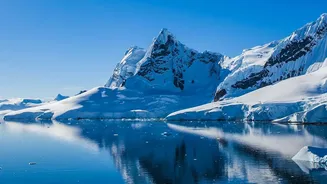
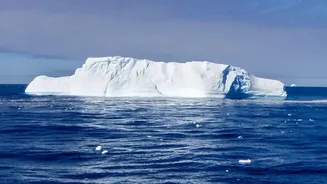
A recent study has sent ripples through the climate science community with a counterintuitive finding: between 2021 and 2023, the Antarctic Ice Sheet saw a massive gain of approximately 695 billion tons of ice. This temporary gain, the largest observed
by GRACE satellites, was concentrated in East Antarctica and was significant enough to briefly slow the continent's overall trend of mass loss. For decades, the narrative has been one of steady decline, with Antarctica losing an average of 140.5 billion tons of ice per year. This sudden reversal, however, is not a sign that climate change is reversing. Instead, scientists say it reveals a complex and previously underrecognized connection between distant parts of our planet's climate system.
The Science of More Snow
The primary driver behind this ice gain was exceptionally heavy snowfall. But where did all this extra snow come from? Researchers traced its origin thousands of miles away to an unusually warm patch of ocean in the tropical western Pacific and eastern Indian Ocean. This sustained ocean warming generated atmospheric waves, known as Rossby waves, that traveled towards the South Pole. This process altered atmospheric circulation, creating a pattern that funneled enormous amounts of moisture from the mid-latitude Indian Ocean directly towards East Antarctica. This influx led to the formation of more 'atmospheric rivers'—narrow corridors of concentrated water vapor—which dumped sustained, heavy snowfall across regions like Queen Mary Land and Wilkes Land.
Is More Snow a Good Thing?
It’s tempting to see increased snowfall as good news for an ice sheet, but the reality is more nuanced. Scientists are clear that this event does not reverse the long-term trend of ice loss. The melting of ice in West Antarctica and the Antarctic Peninsula, driven by warming ocean waters, continues at an accelerating pace. The recent snowfall gain in the East simply outpaced the losses elsewhere for a short period. Paradoxically, the very mechanism causing the extra snow—a warmer atmosphere that can hold more moisture—is a direct consequence of global warming. Climate models have long predicted that a warming world would lead to more precipitation over Antarctica. This study provides a dramatic, real-world example of that theory in action, but highlights that it was triggered by a temporary, periodic warming event in the tropics.
What This Means for India's Coastlines
While Antarctica may seem remote, its stability is directly linked to the fate of coastal communities worldwide, including in India. The Antarctic Ice Sheet holds enough frozen water to raise global sea levels by about 200 feet (60 meters) if it were to melt entirely. Even minor changes can have major consequences. The overall trend of Antarctic ice loss remains a primary driver of rising seas, which threatens India's 7,500-kilometre coastline and its densely populated coastal cities like Mumbai, Chennai, and Kolkata. This new study doesn't change that fundamental risk. Instead, it adds a layer of complexity, showing that natural variability can cause significant short-term shifts. It underscores the urgent need for more refined climate models that can account for these distant connections, known as 'teleconnections', to better predict how much and how quickly sea levels will rise in the coming decades.