




A Hard-Won Victory
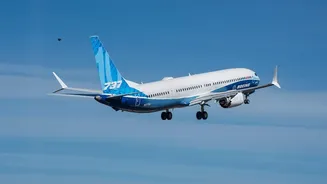
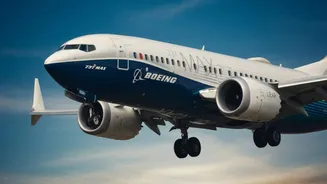
On August 3, 2026, the FAA issued an amended type certificate for the 737-7, officially clearing it for commercial service. This certification is far more than a rubber stamp; it represents the culmination of a grueling, multi-year process involving thousands
of hours of flight and ground testing, intense regulatory scrutiny, and significant design changes. For Boeing, it marks a critical milestone in its efforts to recover from years of production setbacks and a crisis of confidence. The approval paves the way for the company to begin preparing its first MAX 7 jets for delivery to its launch customer, Southwest Airlines.
The Long Shadow of the Past
The journey to this certification was long and fraught with challenges, largely stemming from the legacy of the entire 737 MAX program. The program came under intense global scrutiny following two catastrophic crashes involving the MAX 8 variant in October 2018 and March 2019, which tragically killed 346 people. Investigations revealed flaws in the aircraft's Maneuvering Characteristics Augmentation System (MCAS), leading to a 20-month worldwide grounding of the entire MAX fleet. This event shattered public trust and triggered a complete overhaul of the FAA's certification processes, making them significantly more stringent. Every subsequent Boeing model, including the MAX 7 and its larger sibling, the MAX 10, has been subjected to this heightened level of review.
The Final Technical Hurdle
Even beyond the legacy of the crashes, the MAX 7 faced its own specific technical issues that caused significant delays. The primary obstacle was a flaw in the engine's anti-ice system. During testing, it was discovered that running the system for extended periods in dry air could cause components in the engine inlet to overheat, potentially leading to structural failure. Initially, Boeing sought a temporary exemption to proceed with certification while working on a fix, but withdrew the request after facing pressure from lawmakers. The company was required to engineer a permanent solution, which involved a full redesign of the system. This redesigned anti-ice system, along with updated flight control software and cockpit alert systems, were mandatory changes demanded by the FAA before certification could be granted.
What This Means for Boeing and Airlines
The certification is a major boost for Boeing's business. The company can now begin delivering the dozens of MAX 7 aircraft that have been built and stored while awaiting approval, converting inventory into much-needed revenue. For airlines, particularly Southwest, the news is welcome. Southwest has hundreds of MAX 7s on order, which are intended to replace its aging fleet of 737-700s. The delays have forced the airline to operate larger jets on routes where the smaller, more efficient 150-seat MAX 7 would be a better fit, impacting network flexibility. The MAX 7's long range and efficiency make it ideal for specific markets, including routes from high-altitude airports, and its certification allows Boeing to better compete with Airbus's popular A320neo family in the single-aisle market.