







The Invisible Problem Indoors
We spend most of our time indoors, yet we rarely think about the air we breathe there. Studies show that indoor air can be two to five times more polluted than the air outside. This is because modern homes, built for energy efficiency, often trap pollutants.
These contaminants come from everyday activities and items, including cooking smoke, cleaning products, furniture, and even dust. Poor indoor air quality is linked to a range of health issues, from allergies and respiratory irritation to more serious long-term conditions. The good news is that you have significant control over this environment.
Pillar 1: Master Your Ventilation
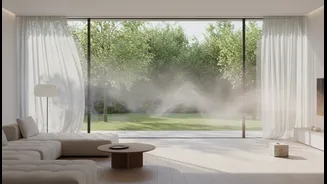
Ventilation is simply the process of bringing fresh outdoor air in to dilute and remove stale, polluted indoor air. It's a fundamental step, and you don't need expensive systems to do it well. The easiest method is natural ventilation: open your windows and doors for at least ten minutes each day. This creates cross-ventilation, allowing fresh air to circulate and push out pollutants. When outdoor air quality is poor, however, this isn't always wise. In those cases, focus on mechanical ventilation. Use exhaust fans in your kitchen when cooking and in your bathroom during and after showers to remove moisture and contaminants at the source. These simple habits make a huge difference in reducing the concentration of indoor pollutants.
Pillar 2: The Power of Source Control
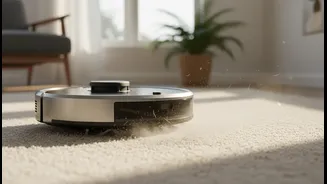
The most effective way to ensure clean air is to stop pollution at its source. This is called source control, and it's often more effective than trying to clean the air after it's already contaminated. Many sources are common in Indian households. The smoke from cooking, especially tadka, and the burning of incense or mosquito coils are major contributors. Using a kitchen chimney or exhaust fan is crucial. Be mindful of chemicals from cleaning agents, air fresheners, and paints, which release Volatile Organic Compounds (VOCs). Opt for low-VOC or natural alternatives when possible. Regular dusting with a damp cloth and vacuuming carpets can also drastically reduce allergens like dust mites and pet dander.
Creating Healthy Air Habits
Beyond the two main pillars, several small habits can collectively improve your home's air. Keep humidity levels in check—ideally between 30% and 50%—to prevent the growth of mould and mildew. A dehumidifier can help during monsoon season. Regularly clean or replace the filters in your air conditioners and, if you have one, your air purifier. A clogged filter is not only ineffective but can become a breeding ground for mould and bacteria. Some indoor plants, like snake plants and spider plants, are also known to help purify the air by absorbing certain toxins. While not a complete solution, they are a welcome addition to a healthier home.
Do You Need an Air Purifier?
Air purifiers can be a valuable supplement, but they should be considered the final layer of defence, not the first. After you have addressed ventilation and source control, a purifier can help filter out any remaining particles. When choosing one, look for a model with a High-Efficiency Particulate Air (HEPA) filter, which is effective at capturing tiny particles like dust, pollen, and pet dander. An added carbon filter can help neutralise odours and VOCs. It's important to select a purifier that is the right size for your room to ensure it can clean the air effectively. Remember, an air purifier works best in a home where the primary sources of pollution are already being managed.