







The Weight of a Giant Portfolio
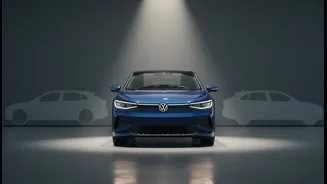
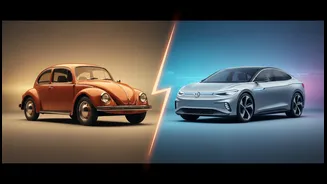
Volkswagen Group, which includes brands like Audi, Porsche, and Skoda, has one of the largest vehicle lineups in the world. This sprawling catalogue was long seen as a strength, offering customers unparalleled choice. However, in today's automotive market,
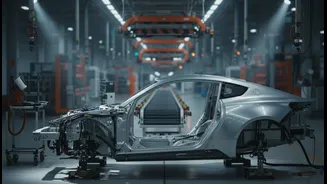
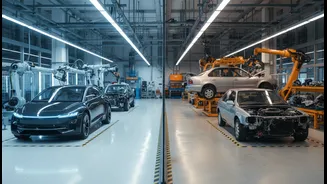
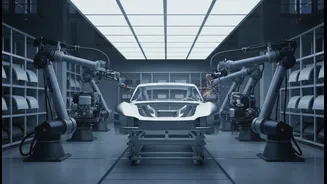
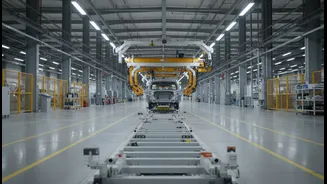
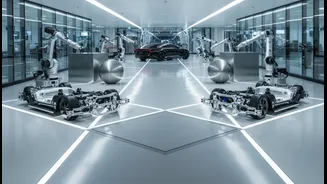
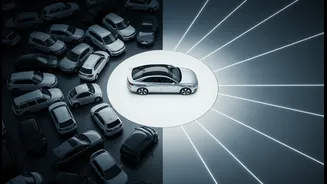
this complexity has become a significant burden. Managing hundreds of different models and thousands of equipment variations creates enormous costs in development, manufacturing, and logistics. Each new variant requires unique engineering, testing, and supply chains. This not only inflates expenses but also slows the company down, making it less agile than newer, leaner competitors. Recent reports confirm a dramatic new strategy: VW Group plans to cut its global model portfolio by up to 50% by 2030, with a staggering 75% reduction in powertrain and equipment variants. This is a direct admission that its cars, while popular, are not profitable enough to sustain the company's cost structure.
Facing New, Nimble Competitors
The pressure for this change isn't just internal; it's coming from a new breed of rivals. The global car market is no longer dominated solely by legacy automakers. Electric vehicle specialists like Tesla and, most notably, Chinese powerhouses like BYD, are reshaping the industry. These companies operate with a fraction of the complexity of VW. In China, Volkswagen's single most important market, sales have fallen sharply as it has lost ground to domestic EV brands that are often seen as more technologically advanced and affordable. Chinese automakers are not just winning at home; they are rapidly expanding into Europe and other key markets, putting intense pressure on VW's sales and profit margins. This fierce competition is a primary driver behind VW's decision to streamline, forcing it to become more efficient to survive.
The Battleground Shifts to Software
Modern cars are increasingly defined by their software, not just their engines. This has been a painful lesson for Volkswagen. The group's dedicated software unit, Cariad, has been plagued by massive losses, development delays, and internal conflicts. These software struggles have postponed the launch of critical new electric models for Porsche and Audi, hurting both sales and reputation. The crisis at Cariad highlights a fundamental challenge for traditional carmakers: transforming into tech companies. By cutting the number of physical car models, Volkswagen aims to free up immense financial and engineering resources. The goal is to redirect this capital toward solving its software problems and investing in the core technologies of the future—batteries, electronic architecture, and a seamless digital user experience—areas where its new rivals currently have an edge.
A High-Stakes Bet on 'Less is More'
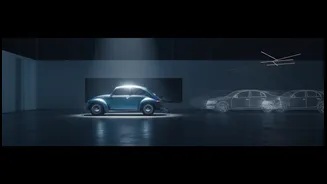
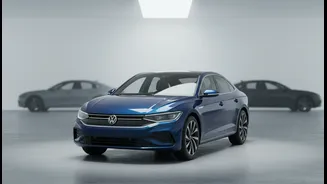
Adopting a 'less is more' strategy is not without risks. Axing up to half of its models means walking away from certain market segments and potentially alienating loyal customers of discontinued cars like the Arteon. There is a danger that a smaller, more focused lineup might not be diverse enough to satisfy global tastes or weather future shifts in consumer demand. However, the potential rewards are substantial. A simpler portfolio allows for faster development times, lower production costs, and improved quality control. By concentrating on its most popular and profitable models—likely core vehicles like the Golf and Tiguan—VW can improve its margins and generate the cash needed for the costly transition to electric vehicles. This move is part of what CEO Oliver Blume calls the "most comprehensive realignment in the company's history," a plan that also involves reducing production capacity and potentially tens of thousands of jobs.