






Unlocking a Coastal Treasure
For years, Karnataka's beaches have remained in the shadow of their more famous counterparts in Goa and Kerala. Recognizing this untapped potential, the state government has launched a significant initiative to develop its coastal districts into a premier
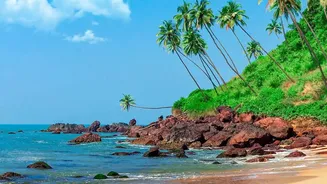
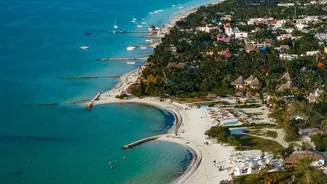
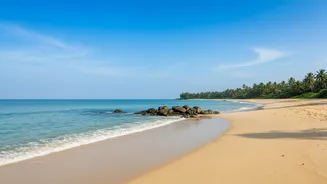
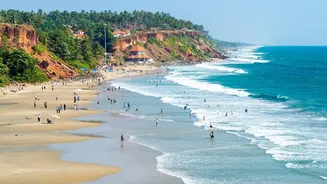
destination for beach, cruise, and adventure tourism. The plan, part of a new Coastal-Malnad Tourism Policy, aims to create world-class infrastructure and experiences to attract both domestic and international visitors. This includes everything from developing new resorts and promoting water sports to enhancing connectivity and launching a dedicated "Brand Karavali Karnataka" to market the region. The economic vision is clear: to leverage this pristine natural asset to boost the state's economy and create sustainable livelihood opportunities for local communities.
The Blueprint for Growth
The government's strategy is not a one-size-fits-all approach. Instead, officials are preparing customised master plans for each individual beach, assessing its unique potential for activities like marine adventure sports, wellness tourism, and eco-tourism. A major focus is on achieving the prestigious 'Blue Flag' certification for more beaches. This international eco-label is awarded to beaches that meet stringent standards for cleanliness, water quality, environmental management, and safety. Karnataka currently has three such beaches—Padubidri, Kasarkod, and Tannirbhavi—and has identified at least 11 more as potential candidates for this upgrade. Plans also include developing a luxury yacht marina in Udupi, creating hubs for heli-tourism and seaplanes, and attracting international cruise liners to the port of Mangaluru.
Prioritizing Safety and Sustainability
With increased tourist footfall comes greater responsibility. Acknowledging this, a core component of the new policy is an emphasis on safety and conservation. Tourist safety is being treated as a key priority, with plans to improve facilities and deploy trained lifeguards at popular spots. This is particularly crucial as incidents of drowning have been a concern, especially at beaches where the water depth can be unpredictable. On the conservation front, the government has stated its commitment to ensuring that all development is environmentally sustainable and adheres to Coastal Regulation Zone (CRZ) norms. The goal is to promote eco-friendly and responsible tourism that protects the fragile coastal ecosystems, with initiatives like mangrove plantation and the elimination of plastic pollution being part of broader environmental projects like K-Shore.
The Tightrope Walk of Development
Balancing rapid economic growth with conservation is a formidable challenge. While the government aims to ease bureaucratic hurdles under CRZ rules to facilitate development like beach shacks, this has raised concerns among environmentalists about diluting protective regulations. Issues like plastic pollution, illegal sand mining, and improper waste disposal are already significant problems that can be exacerbated by a surge in tourism. Furthermore, the success of large-scale projects often depends on seamless coordination between multiple government departments, which can lead to delays, as seen with the K-Shore initiative announced in 2024. Ensuring that local communities are active participants and beneficiaries, rather than just bystanders, is another critical hurdle for achieving truly sustainable development.