







What the Buzz is All About
A new study from Texas A&M University has been making headlines. It involved adults aged 45 to 65 and found that those who took creatine gained some lean muscle and strength over 12 weeks, even if they weren't on a structured exercise program. Specifically,
the non-exercising group that took a daily 10-gram dose of creatine gained about 2.4 pounds of lean tissue and saw modest improvements in bench press and leg press strength. This finding is intriguing, especially for an age group where maintaining muscle is crucial. However, it's this specific result that has led to the misconception that creatine can do the work of exercise for you.
Putting the Findings in Context
It is critical to look at the complete picture. The same study showed that participants who combined creatine with a structured exercise program and a calorie-controlled diet saw far greater benefits. This group gained nearly three pounds of lean tissue, lost fat mass, and experienced much larger gains in strength and endurance. In fact, the strength gains for the exercise-plus-creatine group were roughly double those of the group that only exercised and took a placebo. The researchers themselves caution that the results do not mean creatine can replace physical activity. The clearest takeaway is that creatine works best as a companion to exercise, not a substitute for it.
Understanding Creatine's Role
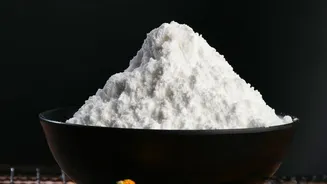
Creatine is not a steroid or a foreign substance. It's a naturally occurring compound made of amino acids that helps your muscles produce energy for short, intense movements. Your body produces it, and you also get small amounts from foods like red meat and fish. Supplementing with creatine essentially tops up your muscles' energy reserves, allowing you to perform better during activities like weightlifting or sprinting. This enhanced performance can lead to better training adaptations over time, which translates to more muscle and strength. Research has consistently shown its benefits are most pronounced when paired with resistance training.
Why Exercise Remains Irreplaceable
Even if a supplement could build a small amount of muscle on its own, it cannot replicate the vast health benefits of regular physical activity. Exercise strengthens your heart, improves cardiovascular health, boosts mental well-being, reduces stress, and lowers the risk of numerous chronic diseases. The Texas A&M study noted that creatine did not appear to improve aerobic capacity, a key benefit of cardio exercise. Physical movement also improves mobility, balance, and bone density, which are vital for healthy aging and fall prevention. These holistic benefits come from the act of moving your body, something no pill can simulate.