






Why the Morning Protein Buzz?
Starting your day with protein isn't just a trend; it's a science-backed strategy for better energy and health. Protein is essential for building and repairing tissues, but its role at breakfast is particularly crucial. It slows down digestion, which
helps stabilize blood sugar levels and prevents the dreaded mid-morning crash often caused by carbohydrate-heavy meals like sugary cereals or plain toast. This steady energy release keeps you feeling fuller for longer, which can help reduce cravings and unnecessary snacking later in the day. For anyone active, a protein-rich breakfast supports muscle maintenance and repair. Experts suggest aiming for at least 20 to 30 grams of protein at breakfast to reap these benefits, a target that many typical Indian breakfasts, like poha or upma (which often contain only 4-6 grams), may not meet on their own.
Traditional Meals vs. Modern Snacks
The real debate isn't about whether to have protein, but where to get it from. Traditional Indian breakfasts offer fantastic whole-food protein options. A serving of paneer bhurji can provide around 18-22 grams of protein, while a moong dal chilla can offer about 14 grams. These meals deliver protein within a natural 'food matrix,' complete with fibre, vitamins, and minerals that aid absorption and overall nutrition. On the other hand, protein snacks like bars and shakes offer undeniable convenience. They provide a measured, high dose of protein quickly. However, the source and quality of this protein can vary. Many processed snacks use protein isolates, which are stripped of the co-factors found in whole foods. While your body can still use this protein, it might not provide the same slow-release energy or feeling of satisfaction as a balanced meal.
Decoding 'Healthy' Snack Labels
The term "high-protein" on a snack package doesn't automatically mean it's healthy. Many bars and breakfast snacks are little more than candy bars in disguise, packed with hidden sugars, refined carbohydrates, and artificial ingredients. A sponsored release, by its nature, is designed to highlight a product's best features, which might mean focusing on the protein count while downplaying a high sugar content. When choosing a packaged snack, it's crucial to read the entire nutrition label. Look for bars with at least 8-10 grams of protein and check the sugar content, aiming for 5 grams or less of added sugar. Also, scan the ingredient list. If it's long and full of words you can't pronounce, or if sugar or syrup is listed near the top, it's wise to be skeptical. Whole-food ingredients like nuts, seeds, and oats are a much better sign.
Making Smarter Breakfast Choices
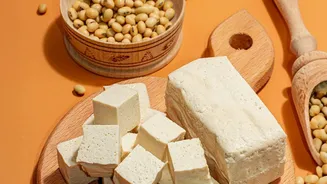
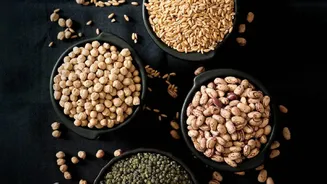
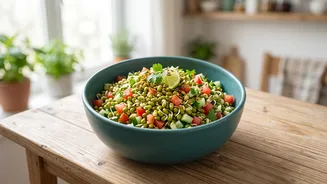
Integrating more protein into your breakfast doesn't require a complete overhaul or a reliance on expensive supplements. For many, the answer lies in enhancing traditional meals. Adding paneer, seeds, or a side of curd to your regular breakfast can significantly boost its protein content. A paratha with a paneer or sattu stuffing offers more protein than a plain one. Two or three eggs, whether boiled or as an omelette, provide a quick and high-quality protein source of 12-19 grams. For vegetarians, options like moong dal chilla, besan cheela, or even adding soya chunks to poha are excellent ways to meet morning protein needs with whole foods. These meals not only deliver high-quality protein but also a host of other nutrients that packaged snacks often lack. While a quality protein bar can be a good option when you're in a pinch, a balanced, whole-food meal is almost always the superior choice for sustained energy and long-term health.