






The Artist and the Machine
Ash Koosha is no stranger to the intersection of art and technology. The London-based, Tehran-born artist has a background as a musician and multimedia creator, consistently pushing the boundaries of his craft. His work has often explored futuristic themes,
but his recent focus has been on harnessing the power of generative artificial intelligence as a primary tool for filmmaking. Koosha is the founder of Fountain 0, a studio dedicated to producing AI-generated films, positioning himself at the controversial but exciting frontier of cinematic innovation. This move comes after his previous AI-generated film, "Dreams of Violets," became the first of its kind to be selected for the prestigious Tribeca Festival earlier in 2026.
An Odyssey for the Digital Age
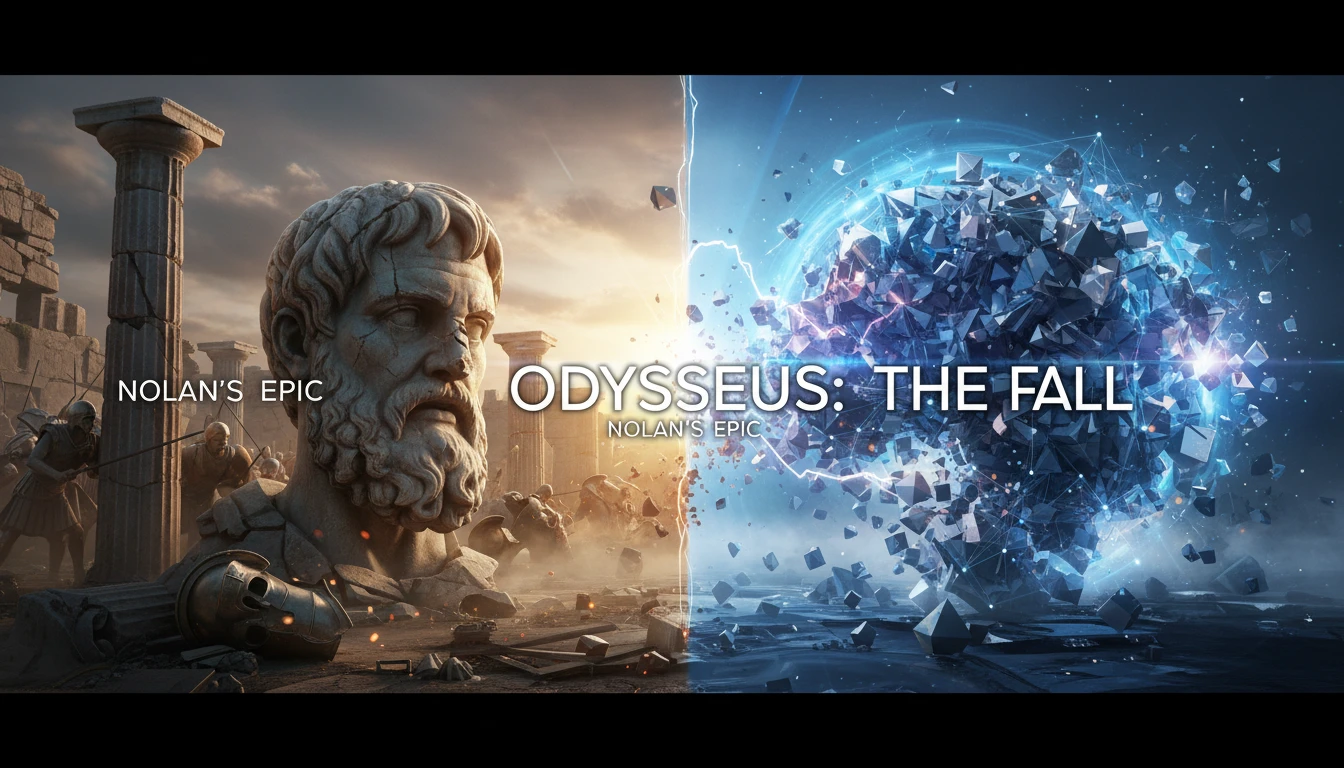
The project referenced in the headline is "Odysseus: The Fall," a 135-minute feature-length reimagining of Homer's epic poem. The film's release is strategically timed to coincide with Christopher Nolan's big-budget blockbuster on the same subject, creating a fascinating David-and-Goliath narrative. Where Nolan's film reportedly cost $250 million, Koosha's was produced for a mid-five-figure sum, highlighting AI's potential to democratize epic storytelling. Koosha's version is described as a darker, more psychological take, focusing on the fractured memories of a drowning man reckoning with his actions. Koosha himself appears in the film as Odysseus.
The AI Production Team: Claude, Gemini, and More
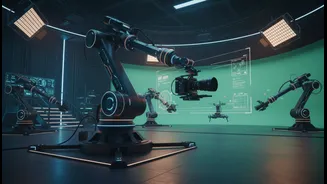
To create "Odysseus: The Fall," Koosha employed a suite of AI tools, essentially creating a digital film crew. While the headline mentions Claude and Gemini, the full toolkit was more extensive. Reports confirm that Anthropic's Claude was used for language and script editing, while Google's Gemini was leveraged for research. The core visuals were rendered using tools like Kling AI and Google Nanobanana, with Koosha's own company, Fountain 0, developing proprietary software to manage actor blocking and frame accuracy. Every image in the film was generated by AI; no physical cameras were used. Koosha handled the script, image creation, and even character voices himself, using AI as an extension of his creative vision rather than a replacement for it.
A New Model for Filmmaking?
Koosha's process represents a radical departure from traditional production. He argues that AI allows independent creators to tackle "impossible movies"—stories that would otherwise require hundreds of millions of dollars in CGI and resources. The entire film was made in about three months, a timeline unheard of for a feature-length epic. However, he pushes back against the narrative that this is an effortless, one-button process. He stresses that controlling the AI models to achieve realism and emotional depth requires immense human skill, dedication, and artistic talent. While some in Hollywood, including Nolan himself, have dismissed AI-generated content as "slop," others see pioneers like Koosha as trailblazers. He insists he is not selling AI, but using a new tool to tell a story that would otherwise be impossible for him to create.