






The Sourdough Advantage
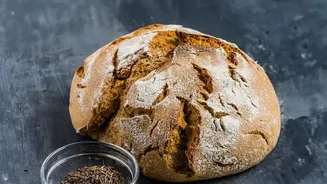
Not all breads are created equal when it comes to the perfect grilled cheese. While any slice can work in a pinch, sourdough stands apart for several reasons. Its sturdy, slightly chewy structure provides the ideal backbone, preventing the sandwich from
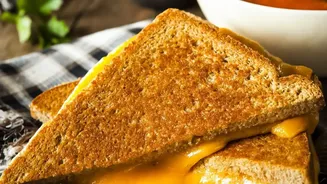
becoming soggy even when loaded with glorious melted cheese. The bread's characteristic tang offers a complex flavor counterpoint to the richness of the butter and cheese, elevating the sandwich from a simple snack to a more gourmet experience. Furthermore, the irregular crumb and thick crust of a good sourdough loaf toast to a beautiful, deep golden-brown, delivering an unparalleled crispy texture that is the hallmark of a truly great grilled cheese.
Choosing the Perfect Cheese
The secret to an exceptional grilled cheese often lies in the cheese itself—or rather, the cheeses. Experts agree that a combination of at least two types yields the best results: one for meltability and one for flavor. For that coveted, stretchy cheese pull, mozzarella is a top contender because it melts beautifully without becoming greasy. For a sharp, savory flavor punch, you can't go wrong with a good cheddar, gruyère, or provolone. Gruyère offers a nutty, complex taste, while a sharp white or yellow cheddar provides that classic, tangy bite. For the ultimate melt, grating your cheese from a block is highly recommended, as pre-shredded cheeses often contain anti-caking agents that can hinder a smooth, gooey texture.
The Secret to the Crunch: Butter vs. Mayo
To achieve that perfectly crisp, golden-brown exterior, you need a layer of fat. The timeless choice is softened, salted butter, spread evenly from edge to edge. However, a surprisingly effective alternative that has gained a loyal following is mayonnaise. Because mayo is an emulsion of oil and egg, it has a higher smoke point than butter, which helps prevent burning and promotes an incredibly even, golden crust. While some find the taste of mayo-toasted bread slightly different, many can't even tell the difference in the final product. For the best of both worlds, some cooks even use a thin layer of mayonnaise for browning and cook the sandwich in a pan with melted butter for added richness. Whichever you choose, ensure the spread is a thin, even layer to avoid sogginess.
Mastering the Low-and-Slow Method
Patience is a virtue, especially when crafting the perfect grilled cheese. The biggest mistake many people make is cooking the sandwich over high heat. This often leads to burnt bread before the cheese has had a chance to fully melt. The key is to cook it low and slow. Start with a heavy-bottomed skillet, like cast iron, over medium-low heat. This gentle, consistent temperature allows the bread to slowly toast to a perfect crispness while giving the heat time to penetrate and melt the cheese into a gooey river. If you find your bread is browning faster than your cheese is melting, simply place a lid over the pan for a minute or two. This will trap steam and heat, helping the cheese melt completely.
Elevating the Everyday Classic
While a classic sourdough and cheddar combination is perfection on its own, the sandwich also serves as a brilliant canvas for creative additions. A sweet and savory fig jam pairs wonderfully with brie or gruyère. For a touch of acidity and freshness, thin slices of Granny Smith apple with sharp cheddar is a fantastic combination. Other popular upgrades include adding a layer of savory bacon jam, pesto, or sweet caramelized onions. You can even add a sprinkle of garlic powder to your butter or mayo spread for an extra layer of flavor. These simple additions can transform your quick weekday lunch into a truly special meal without much extra effort.