


Gurudongmar Lake, Sikkim
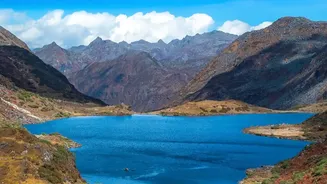
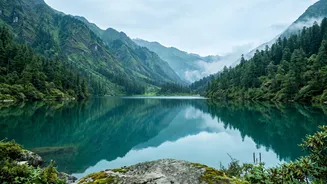
Perched at a staggering altitude of 17,800 feet in North Sikkim, Gurudongmar Lake is one of the highest lakes in the world. Its turquoise-blue water, sourced from glaciers, sits in a cold desert landscape, creating a surreal contrast against the barren,
snow-capped mountains that surround it. The air is thin and the journey is challenging, but the reward is a view of unparalleled serenity. The lake holds immense spiritual significance for Buddhists, Sikhs, and Hindus. Legend says that the 8th-century Buddhist master, Guru Padmasambhava, blessed a portion of the lake at the request of locals, ensuring it never freezes completely, even in the harshest winters. This partially unfrozen patch serves as a vital source of water and a symbol of divine intervention, making the lake a revered pilgrimage site.
Tsomgo Lake, Sikkim
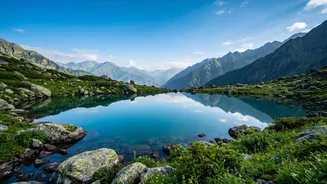
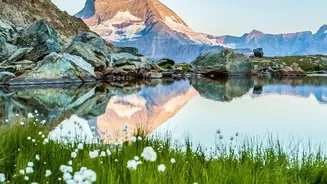
Popularly known as Changu Lake, Tsomgo is a glacial wonder located in East Sikkim, just about 40 kilometres from Gangtok. Situated at an altitude of 12,310 feet, the lake’s most magical quality is its ability to change with the seasons. In spring, its banks are alive with colourful flowers, while autumn offers a crystal-clear reflection of the surrounding peaks on its placid surface. During the winter, it transforms into a frozen sheet of ice, creating a starkly beautiful landscape. Tsomgo Lake is considered sacred by the local Sikkimese people, who believe its waters have healing properties. In ancient times, monks would study the lake's colour to forecast the future. For visitors, the journey itself is an adventure, winding through steep mountain roads, and the destination offers experiences like yak rides along the shore.
Loktak Lake, Manipur
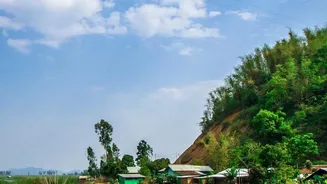
Loktak Lake is not just the largest freshwater lake in Northeast India; it is an ecological phenomenon. Located in Manipur, its defining feature is the presence of 'phumdis' – large, circular floating islands of vegetation, soil, and organic matter. These phumdis are so significant that one of them hosts the Keibul Lamjao National Park, the only floating national park in the world. This unique park is the last natural habitat of the endangered Sangai, or dancing deer, which has adapted to life on the spongy, floating terrain. The lake is a lifeline for the region, supporting local fishing communities who live in floating huts called 'phumsangs'. It's a vibrant, living ecosystem where culture and nature are inseparable, offering a glimpse into a truly unique way of life.
Sela Lake, Arunachal Pradesh
Near the high-altitude Sela Pass in Arunachal Pradesh lies the pristine Sela Lake, often called 'Paradise Lake' for its stunning beauty. Situated at over 13,000 feet, this glacial lake is surrounded by the rugged, snow-clad peaks of the Eastern Himalayas. During winter, the lake often freezes completely, reflecting the raw, untouched beauty of its high-altitude environment. Sela Lake is one of 101 sacred lakes in the region for followers of Tibetan Buddhism and is deeply revered by the local Monpa community. Though the recently constructed Sela Tunnel bypasses the treacherous pass for most travellers, the drive to the lake itself remains a breathtaking experience, offering panoramic views and a profound sense of tranquillity.
Sangetsar Tso, Arunachal Pradesh
Also known as Madhuri Lake, Sangetsar Tso in the Tawang district of Arunachal Pradesh is a high-altitude lake with a dramatic origin story. It was formed by a flash flood following an earthquake, which submerged a forest, leaving the ghostly trunks of dead trees rising from its clear waters. This unique landscape, set against a backdrop of imposing mountains near the India-China border, gives the lake a mystical and somewhat haunting beauty. It gained its popular nickname after being featured in the Bollywood film 'Koyla', starring Madhuri Dixit. Sacred to local Buddhists, the lake offers a serene atmosphere that feels a world away from the everyday.