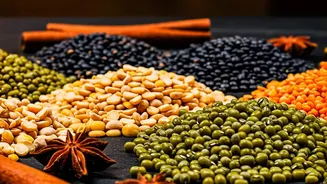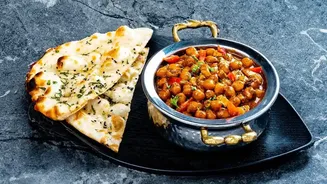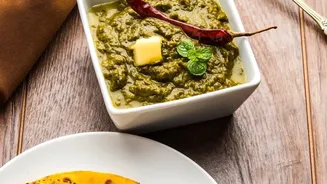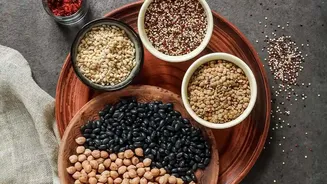




The Protein Puzzle in Your Pulses
Proteins are essential for everything from building muscle to supporting our immune system. They are made of building blocks called amino acids. Our bodies need 20 different amino acids to function, nine of which are called "essential" because we must
get them from food. Foods that contain all nine essential amino acids in adequate amounts are called 'complete proteins'. Animal products like meat, eggs, and dairy are classic examples. Most plant-based foods, including our beloved pulses like lentils, chickpeas, and beans, are considered 'incomplete proteins'. This doesn't mean they are bad; it simply means they are low in one or more of these essential amino acids.
The Missing Piece: Amino Acids
So, what are pulses missing? Generally, pulses like lentils and beans are low in the essential amino acids methionine and cysteine. However, they are rich in another essential amino acid, lysine. This is where the concept of a balanced meal becomes so crucial. The term 'incomplete' is slightly misleading, as these foods are still incredibly nutritious and a fantastic source of protein. The key is to not rely on them in isolation. By pairing them with other foods that provide the amino acids they lack, you can easily create a 'complete' protein profile within your meal.
The Magic of 'Dal Chawal'
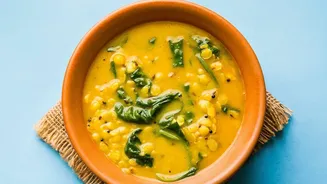
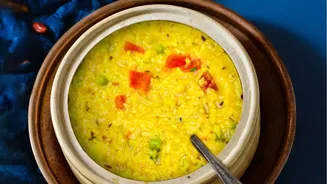
The wisdom of pairing pulses with other foods is already embedded in our traditional eating habits. The classic Indian combination of dal (lentils) and chawal (rice) is a perfect example of protein complementation. While pulses are low in methionine, cereal grains like rice and wheat are typically low in lysine but contain the methionine that pulses lack. When you eat them together, they fill in each other's nutritional gaps, providing your body with all nine essential amino acids. So, that simple, everyday meal of dal and rice is more nutritionally synergistic than you might have realized. The same logic applies to eating dal with roti (whole wheat bread).
Beyond Grains: Other Perfect Pairings
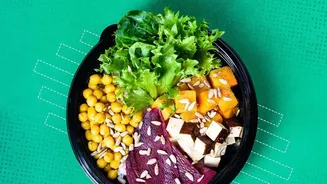
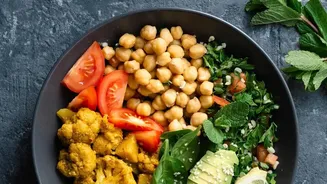
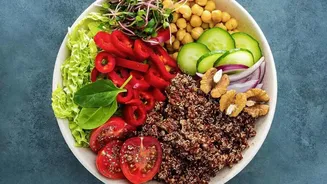
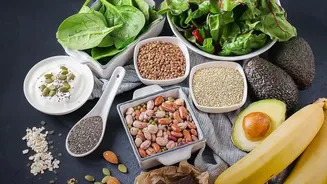
While grains are the most common partner for pulses, they aren't the only option. Broadening your pairings can add variety and even more nutrients to your diet. Combining legumes with nuts and seeds is another effective strategy. Think of a chickpea salad sprinkled with sunflower or pumpkin seeds, or the Middle Eastern classic hummus (made from chickpeas) eaten with tahini (a sesame seed paste). Dairy products also complement pulses well. Adding a dollop of yogurt (dahi) to your dal or enjoying a side of paneer can help round out the amino acid profile. Even certain vegetables, when combined thoughtfully, contribute to a more balanced protein intake.
Building Your Balanced Plate
Putting this into practice is simple and doesn't require obsessive tracking. The old rule that you must eat complementary proteins in the exact same meal has been relaxed; as long as you eat a variety of plant foods throughout the day, your body can pool the amino acids. However, structuring your meals this way is a great habit for ensuring consistent, high-quality protein intake. A simple rule of thumb for a balanced vegetarian meal is to include three key components: a pulse (like dal, chickpeas, or beans), a whole grain (like brown rice, roti, or quinoa), and a variety of vegetables. This combination not only ensures a complete protein profile but also delivers essential fibre, vitamins, and minerals, making your meal truly wholesome.