







A Breakthrough Discovery 48 Light-Years Away
In a landmark moment for astronomy, scientists have confirmed the presence of an atmosphere around a rocky exoplanet named LHS 1140 b. Located approximately 48 light-years from Earth, this 'super-Earth' is about 1.7 times the size of our planet and orbits
a small, cool red dwarf star. For years, finding rocky worlds has become common, but proving they have managed to hold onto an atmosphere has been a tremendous challenge. This discovery is the first time an atmosphere has been definitively detected on a rocky planet situated within its star's habitable zone, making it a pivotal target for future study.
What 'Habitable Zone' Actually Means
The term 'habitable zone' often conjures images of a perfect Earth twin, but its scientific meaning is more specific. It refers to the orbital range around a star where conditions are just right—not too hot and not too cold—for liquid water to potentially exist on a planet's surface. An atmosphere is essential to shield the planet, regulate its climate, and maintain the pressure needed for liquid water. While LHS 1140 b resides in this promising region, its placement doesn't guarantee habitability. However, the confirmed presence of an atmosphere that has likely survived for billions of years makes it an exceptionally compelling subject in the quest to understand what makes a planet viable for life.
The 'Atmospheric Reference Point' Explained
This discovery provides something scientists have desperately needed: a baseline. By successfully identifying an atmosphere on a habitable-zone rocky world, researchers now have a 'reference point'. This helps in two major ways. First, it proves that such atmospheres can exist and endure around red dwarf stars, which are known for their intense stellar activity that can strip planets of their air. Second, the specific data signature from LHS 1140 b, obtained by detecting helium leaking into space, gives astronomers a clear signal to look for. It allows them to refine their methods and better distinguish between planets with atmospheres and those that are bare rock, making the entire search for other habitable worlds more efficient and precise.
A Triumph of Ground-Based Technology
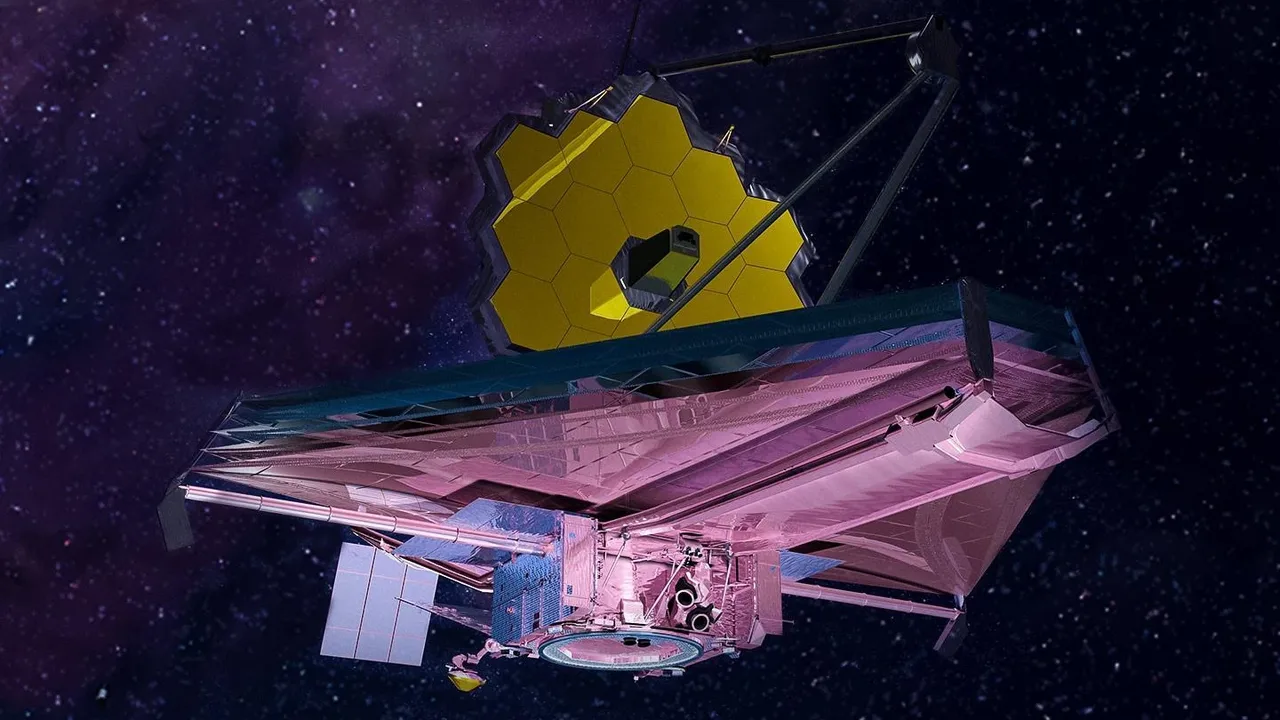
While the James Webb Space Telescope often dominates headlines, this breakthrough was achieved using a ground-based instrument: the WINERED spectrograph at the Magellan Observatory in Chile. Researchers used a technique called transmission spectroscopy. As the planet passed in front of its star, they analyzed the starlight filtering through the very edge of its atmosphere. The molecules in the atmosphere absorb specific colors of light, leaving a chemical fingerprint that scientists can read. The team had developed a theoretical model predicting that LHS 1140 b would have a helium-rich atmosphere, and the observations provided a 'rock solid' statistical confirmation of that prediction. This success showcases the power of combining theoretical models with powerful Earth-based telescopes.
The Road Ahead in the Search for Life
So, does this mean there's life on LHS 1140 b? It's far too early to say. The detection of an atmosphere is just the first, albeit monumental, step. The next phase of research will focus on determining the atmosphere's full chemical composition. Scientists will use telescopes like the JWST to search for other gases, including potential 'biomarkers' like oxygen, methane, and water vapor, which could hint at biological processes. This discovery has transformed the field, moving the study of rocky planet atmospheres from a theoretical possibility to an observational reality. It provides a tangible target and proves that we have the technology to start answering one of humanity's oldest questions.