





The Rise of Solitary Dining
Between demanding work schedules, the convenience of food delivery apps, and the endless scroll of social media, meals are increasingly solitary affairs. The desk lunch, the dinner in front of the television, the quick bite on the go—these moments define
the modern rhythm of eating for many. While eating alone can sometimes be a welcome moment of peace, a consistent pattern of solo dining is linked to feelings of loneliness and unhappiness. Studies show a growing trend of people eating alone, which correlates with lower levels of life satisfaction. This shift represents more than a change in schedule; it's a move away from a practice that has anchored human connection for millennia.
More Than Just a Meal
The magic of a shared meal, known as commensality, lies in its ability to foster social bonds and boost emotional health. Research has consistently found that people who eat with others report higher levels of happiness, greater life satisfaction, and stronger social networks. The simple act of passing dishes, engaging in conversation, and laughing together can reduce feelings of depression and anxiety. This is because eating together is a powerful expression of intimacy and belonging, tapping into deep-seated emotional wiring that links food with care and safety. One global study even found the link between shared meals and well-being to be as significant as factors like income.
A Return to Mindful Nourishment
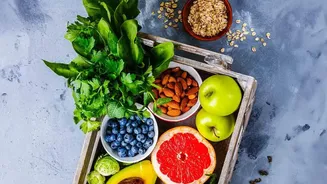
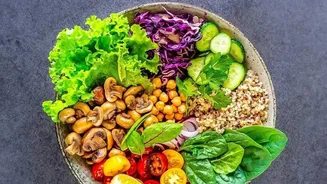
Beyond the psychological benefits, dining with others can positively influence what and how we eat. People who share meals tend to have healthier dietary patterns, consuming more fruits, vegetables, and essential nutrients. This is partly because shared meals often involve more balanced, home-cooked food. Furthermore, the social aspect encourages more mindful eating. The conversation and connection naturally slow down the pace, which can improve digestion and help regulate appetite. In contrast, eating alone is often a distracted activity, leading to less awareness of food choices and portion sizes.
A Timeless Indian Tradition
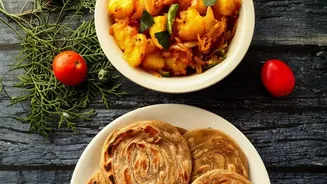
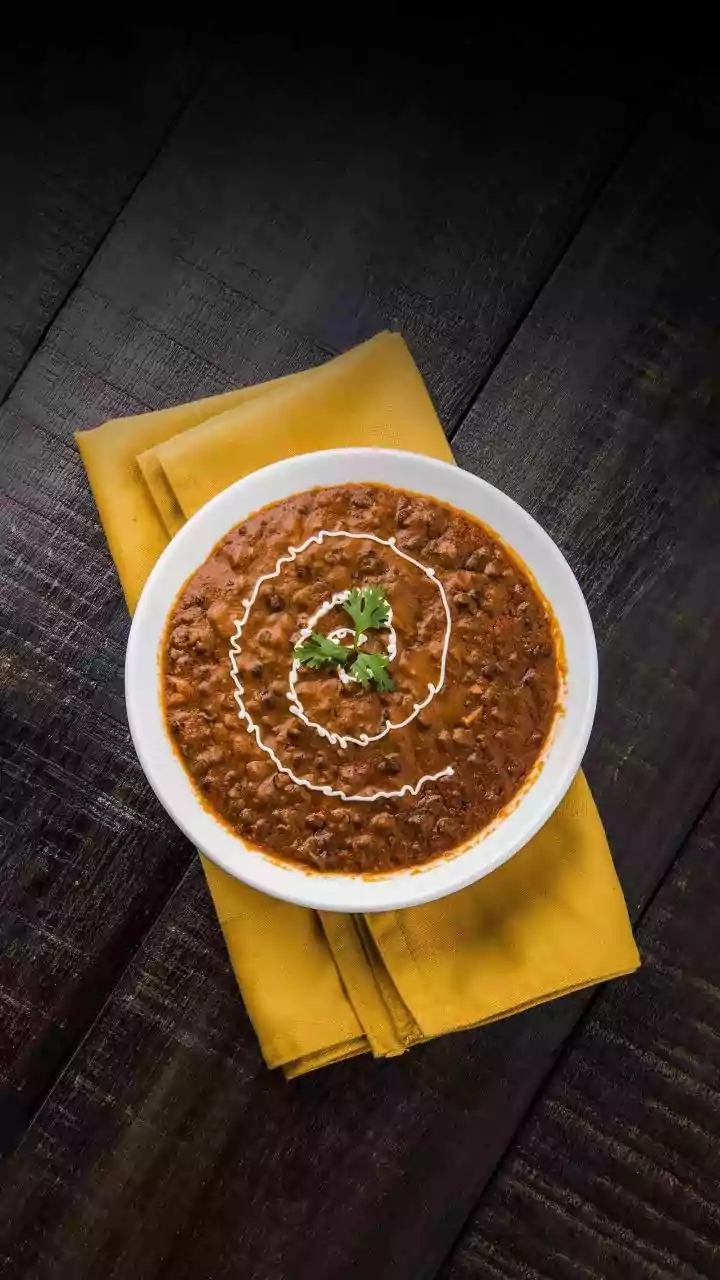
In India, the concept of eating together is deeply woven into the cultural fabric. From daily family dinners to festive feasts, food is a primary medium for strengthening bonds. Traditional Indian dining, often served family-style with dishes placed at the center of the table, inherently encourages interaction and a sense of equality. The thali, for instance, is a perfect representation of social and nutritional balance, inviting everyone to share in the same collective experience. This communal approach turns every meal into an opportunity for connection, reflecting a philosophy where cooking and sharing food are among the most profound expressions of love and care.
Making Time for Togetherness
Reclaiming the shared meal doesn't require a complete lifestyle overhaul. The key is to be intentional. Start by scheduling one or two family dinners per week where screens are put away. Organise a potluck with friends or a regular lunch with colleagues. Even inviting a neighbour over for a simple meal can help rebuild community bonds. For those with family far away, sharing a meal over a video call can bridge the distance. The goal is not perfection but progress. By consciously creating opportunities to eat together, we can counteract the trend of isolation and rediscover the nourishment that comes from both the food on our plates and the people around our table.