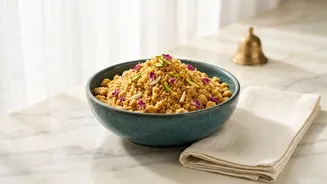




The Showstopper: Sunth Panjiri Truffles
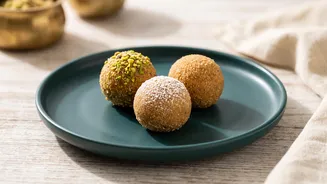
Panjiri is a quintessential sweet in North Indian households, especially during festivals and winters. Made traditionally with whole wheat flour, ghee, sugar, and a host of nuts, it's a dish that embodies warmth and nourishment. A special variant, Dhaniya
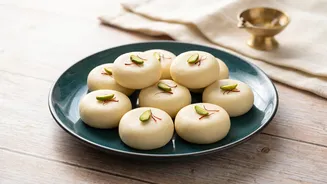
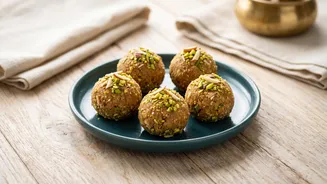
Panjiri, made with coriander seed powder, is a key offering during Janmashtami, often used to break the day-long fast. The inclusion of 'sunth', or dried ginger powder, gives it a warming, aromatic quality that aids digestion. This recipe reimagines the rustic, crumbly Panjiri as sophisticated truffles. The core elements remain, but the form is updated. By binding the roasted mixture with a little extra ghee and rolling it into bite-sized laddoos or truffles, you create a modern, easy-to-serve dessert that retains its traditional soul. To make them, start by roasting whole wheat flour in ghee until fragrant and golden brown. In a separate pan, lightly fry nuts like almonds and cashews, along with edible gum (gond) until it puffs up. Coarsely grind the nuts and puffed gond. Combine the roasted flour, ground nuts, powdered sugar, and a generous pinch of sunth and cardamom powder. Mix well, adding a little more melted ghee if needed to bind the mixture. Roll into small balls and garnish with slivered pistachios or edible rose petals for a truly festive look. These truffles are not just a treat; they're a bridge between generations of culinary tradition.
The Savoury Classic: Gopalkala
No Janmashtami feast is complete without a savoury counterpoint to the sweets, and Gopalkala fills that role perfectly. This Maharashtrian dish, also known as Dahi Poha, is a simple, no-cook preparation that is believed to be a favourite of Lord Krishna. The name itself evokes tales of Krishna sharing food with his friends. The dish is a delightful medley of textures and flavours, combining flattened rice (poha), yoghurt (dahi), cucumber, and fresh coconut. To prepare Gopalkala, begin by gently washing thick poha and letting it soften for a few minutes. In a bowl, whisk fresh yoghurt until smooth. Add the soaked poha, finely chopped cucumber, grated fresh coconut, a pinch of sugar, and salt to taste. Some variations also include pomegranate seeds or soaked chana dal for added crunch and nutrition. The final touch is a tempering (tadka) of hot ghee with cumin seeds, finely chopped green chillies, and ginger. This tempering is poured over the poha mixture and stirred through, infusing the dish with a warm, aromatic flavour. Garnished with fresh coriander, Gopalkala is a refreshing, light, and deeply symbolic prasad that beautifully represents community and sharing.
The Creamy Indulgence: Makhana Kheer
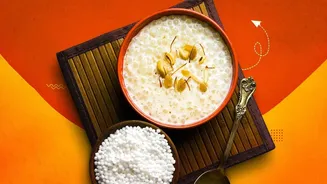
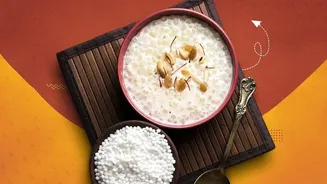
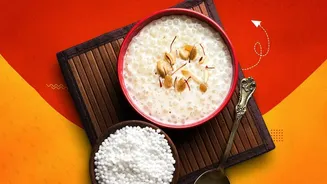
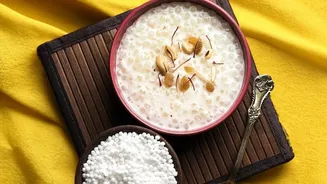
Kheer, a creamy milk pudding, is a celebratory staple across India, and the Janmashtami version often features makhana (fox nuts or puffed lotus seeds). Makhana Kheer is an ideal festive dessert as it's not only delicious but also suitable for those observing a fast (vrat). Makhanas have a unique, popcorn-like texture and are rich in nutrients, making the kheer both light and wholesome. The preparation is straightforward. First, roast the makhanas in a little ghee until they become crisp. Set aside some whole makhanas for texture and coarsely crush the rest. Next, bring full-fat milk to a boil in a heavy-bottomed pan, then let it simmer until it reduces and thickens slightly. Add the crushed and whole roasted makhanas to the milk and cook until they soften. Stir in sugar to your desired sweetness, along with cardamom powder and a few strands of saffron for that classic festive flavour and colour. To enhance the richness, you can add slivered almonds and pistachios. This kheer can be served warm or chilled, offering a comforting and creamy end to the festive meal.