



The First Step: Prioritise Hydration
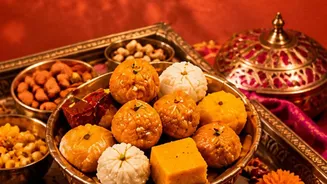
Before you think about complex detox plans or intense workouts, cardiologists stress a more fundamental step: rehydration. The festive period often involves consuming sweets, salty snacks, and sometimes alcohol, all of which can leave your body dehydrated.
Water is crucial for flushing out toxins, aiding digestion, and supporting kidney function. When you're dehydrated, your blood volume can decrease, causing your heart to work harder to pump blood through your body. This can strain your cardiovascular system. Starting your day with a glass of warm water, perhaps with a squeeze of lemon, can help kick-start your metabolism and begin the cleansing process. The goal is to consistently sip water throughout the day, rather than waiting until you feel thirsty.
Beyond Water: Smart Fluid Choices
While plain water is best, you can supplement your intake with other healthy fluids. Experts recommend avoiding sugary packaged juices and soft drinks, which can add to the sugar load your body is already processing. Instead, consider natural alternatives like coconut water, which helps replenish electrolytes. Unsweetened herbal teas, such as ginger, peppermint, or chamomile, can soothe the digestive system and reduce bloating. Another excellent choice is traditional buttermilk (chaas) or plain curd, which contain probiotics that help restore healthy gut bacteria after a period of indulgence. These simple swaps can make a significant difference in how you feel.
Rebalancing Your Plate, Gently
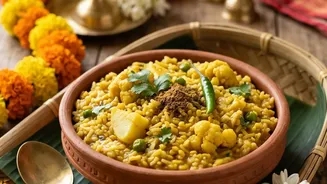
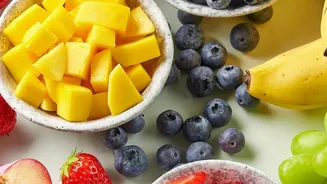
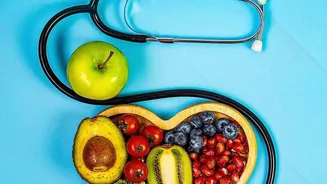
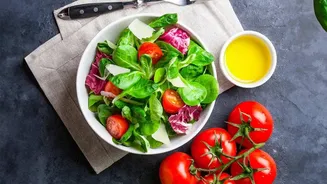
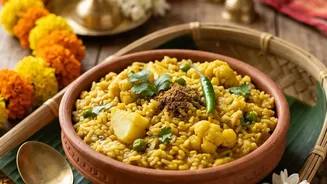
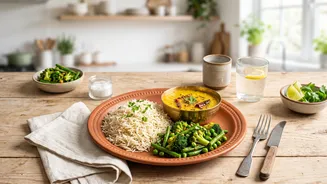
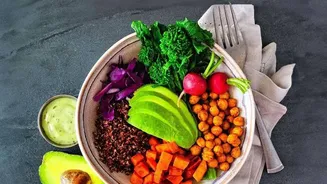
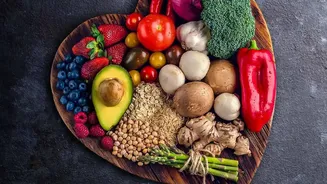
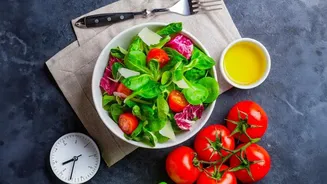
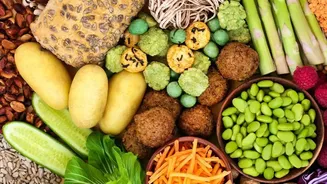
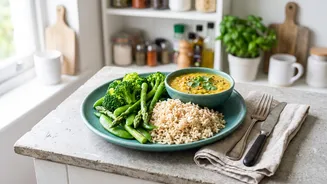
Many people are tempted to try drastic crash diets or juice cleanses after a festival, but medical experts advise against this. These extreme approaches can be counterproductive. The best strategy is to gently reintroduce balanced, nutritious meals. Focus on increasing your fibre intake with seasonal fruits and green vegetables like spinach, broccoli, and carrots. Fibre is essential for good digestion and preventing the constipation that can follow heavy festive meals. Also, ensure your meals include lean protein from sources like dal, chickpeas, paneer, or eggs to keep you feeling full and nutritionally satisfied. Simple, home-cooked meals like khichdi or vegetable dalia are perfect for giving your digestive system a much-needed rest.
The Importance of Light Movement
You don't need to hit the gym for a strenuous workout immediately after the festivities. In fact, intense exercise after heavy meals is not recommended. Instead, incorporate gentle movement into your day. A 20-30 minute walk, especially after meals, can aid digestion, boost your metabolism, and improve circulation. Light yoga or simple stretching are other excellent ways to get your body moving without putting excess strain on it. The goal is to be consistent rather than intense. Regular physical activity is a cornerstone of cardiovascular health and helps your body recover and reset more effectively.
Don't Underestimate Rest and Recovery
Late-night celebrations during Diwali can disrupt your sleep schedule, which has a direct impact on your health. Poor sleep can affect your blood pressure, metabolism, and the hormones that regulate appetite. Cardiologists and health experts emphasise the importance of getting back to a regular sleep routine, aiming for 7-9 hours per night. Quality rest is crucial for maintaining energy levels, supporting your immune system, and giving your body the time it needs to repair and recover from the festive strain. Making sleep a priority is just as important as diet and exercise for your post-Diwali recovery plan.