






Red Alerts and Rising Waters
The situation across Kerala has escalated rapidly over the past week, with the India Meteorological Department (IMD) issuing red alerts for eight districts, signifying the threat of extremely heavy rainfall. Districts including Pathanamthitta, Kottayam,
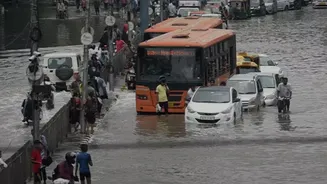
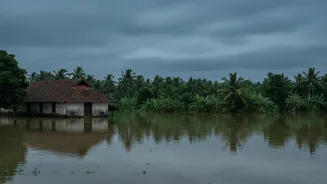
Idukki, and Ernakulam have been placed on the highest level of alert. This intense spell of rain, which delivered nearly three times the normal volume in the first four days of August, has caused numerous rivers like the Pamba, Meenachil, and Achankovil to breach their banks. The resulting floods have inundated low-lying areas, turning roads into canals and cutting off communities. While the rainfall intensity showed signs of subsiding slightly, authorities remain on high alert, with orange alerts still in place for seven districts for August 6th, as the threat of heavy downpours continues.
The Human Toll of the Deluge
The human cost of the monsoon's fury is mounting. As of August 5th, officials have confirmed that the severe weather and flooding have led to at least 28 fatalities, with several people still reported missing. In a now familiar scene of displacement, more than 18,400 people have been evacuated and are taking shelter in over 418 relief camps set up across the state. Pathanamthitta and Kottayam are among the worst-affected districts, with scenes of residents wading through knee-deep water becoming commonplace. In some parts of Kottayam, the flooding has reportedly surpassed the levels seen during the devastating 2018 floods, with nearly every house in the Thiruvarppu panchayat submerged. Families have lost homes and livelihoods, with official figures indicating that hundreds of houses have been either partially damaged or completely destroyed.
A State on High Alert
The state's disaster management apparatus is in full swing. Coordinated by the Kerala State Disaster Management Authority (KSDMA), response efforts are visible across the affected regions. Teams from the National Disaster Response Force (NDRF), which were strategically deployed in May in anticipation of the monsoon, are actively engaged in rescue and relief operations. They are working alongside state Fire and Rescue Services to evacuate stranded residents and provide essential supplies like food and drinking water to those trapped in their homes or staying in relief camps. Local authorities are managing hundreds of camps, and the government has assured that financial assistance will be provided to families who have suffered losses.
Echoes of Floods Past
For many in Kerala, this is a painful reminder of past tragedies, most notably the catastrophic floods of 2018. The current crisis unfolds with a sense of déjà vu, but also with the benefit of experience. Since 2018, the state has significantly improved its early warning systems and coordinated rescue protocols. However, experts point out that while disaster response has become more efficient, the root causes of the recurring deluges remain. This year's floods are once again highlighting the state's ecological vulnerability. The disaster serves as another stark reminder of the complex interplay between extreme weather events and long-term environmental factors.
Climate Change and the New Normal
The pattern of rainfall this year is particularly telling. Until the end of July, Kerala had a significant monsoon deficit. Then, in a matter of days, torrential downpours created a massive surplus, with some areas receiving more than 300 mm of rain in just 24 hours. This volatility—long dry spells punctuated by sudden, extreme rainfall—is a pattern that climate scientists have warned is a signature of a changing climate. Experts argue that Kerala's disasters are no longer just about heavy rain; they are the result of a collision between these intense weather events and decades of unsustainable land use and ecological degradation. The challenge is shifting from merely responding to floods to building long-term resilience for what appears to be a new, more unpredictable normal.