


A Lone Pioneer's Journey
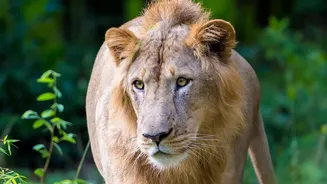
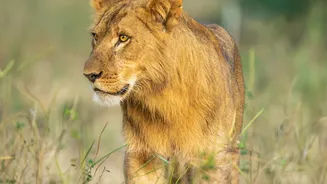
The landmark event began not with a grand, planned relocation, but with the natural instincts of a single animal. In early 2023, a young male lion, about three and a half years old, left the crowded landscape of Gir National Park and trekked nearly 100
kilometres to Barda. This unassisted journey was a powerful validation of years of conservation work. It signalled that the sanctuary, long prepared as a potential second home, was finally ready. Following this natural migration, the Gujarat Forest Department introduced several females to establish a new, viable population. Recent reports from late 2026 confirm the success of this initiative, with the population in Barda now growing to 17 lions, including adults and cubs.
An Echo from a Lost Kingdom
To understand the significance of this return, one must look back 144 years. The last official record of a lion in the Barda hills dates to 1879. Historically, the Asiatic lion roamed vast territories across northern and central India. However, relentless hunting during the 19th century and widespread habitat loss decimated their numbers. The species was pushed to the brink of extinction, with its last surviving wild population cornered in the Gir forest of Gujarat. Their disappearance from Barda was part of this tragic decline, which saw the king of the jungle vanish from nearly its entire historical range. The long silence in Barda served as a stark reminder of what was lost.
The Success and Strain of Gir
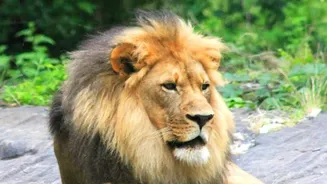
The story of the Asiatic lion's comeback in Gir is one of India's greatest conservation triumphs. From a perilously small number of individuals in the early 20th century, dedicated protection by the state of Gujarat helped the population rebound spectacularly. The 2020 census counted 674 lions, and by 2025, that number had surged to 891. But this success created a new challenge: overcrowding. Gir's landscape, though large, became too small for the growing population, leading to increased human-animal conflict as lions dispersed into surrounding villages and farmlands. Conservationists have long argued that relying on a single, geographically isolated population is a risky gamble. A single epidemic, like the canine distemper virus that has struck lion populations in Africa, could be catastrophic.
Why Barda Matters for the Future
This is why the establishment of a second home is crucial. For years, Barda Wildlife Sanctuary has been carefully prepared under 'Project Lion', a national initiative to secure the species' future. Authorities have worked to increase the prey base by translocating hundreds of spotted deer (chital) and sambar into the sanctuary, ensuring the new arrivals have ample food. The sanctuary's rugged, 192-square-kilometre terrain provides a suitable and protected habitat. Having a second, separate lion population in Barda creates a vital insurance policy for the species. It reduces the risk of extinction from disease or disaster and ensures genetic diversity, which is essential for long-term survival.