

An Unexpected Flash in the Dark
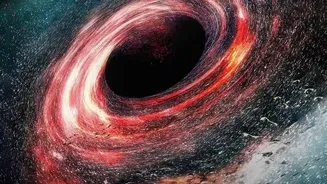
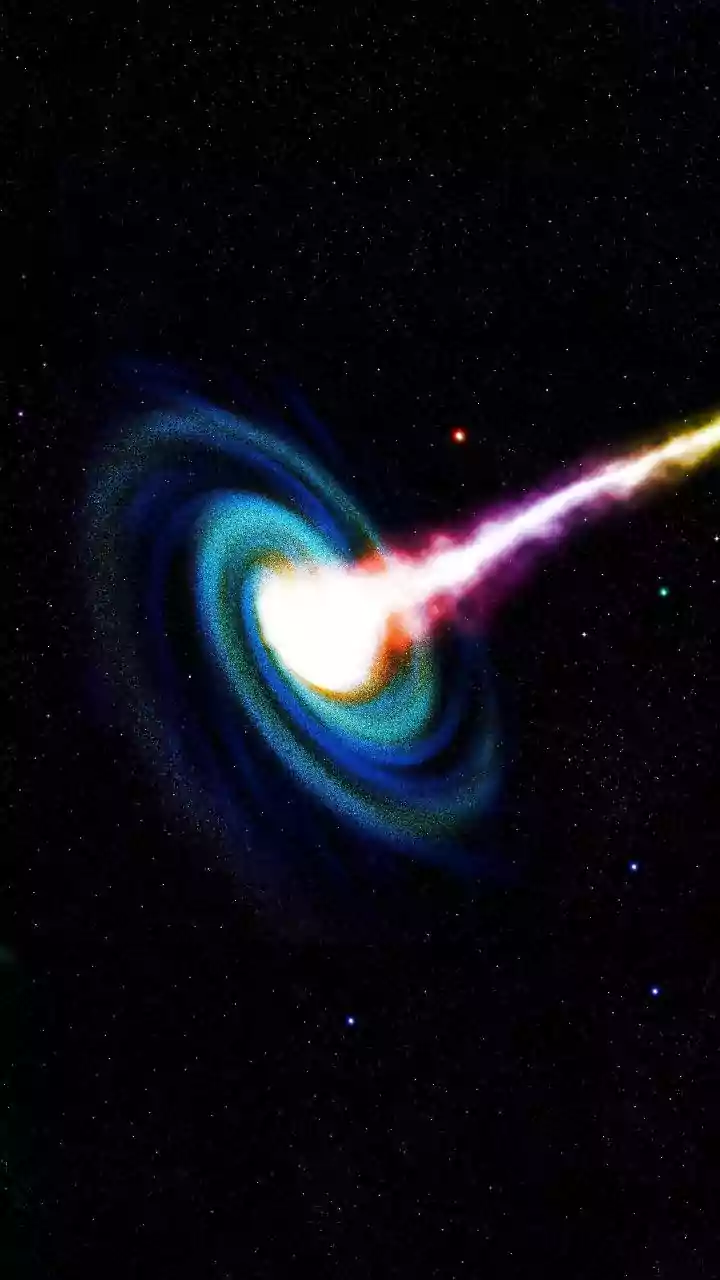
Astronomers expect to find supermassive black holes—behemoths weighing millions to billions of times more than our Sun—at the very heart of galaxies. It is in these dense, chaotic centres that they lie in wait, and occasionally, an unlucky star wanders
too close. When that happens, the black hole’s immense gravity rips the star apart in a process known as a Tidal Disruption Event (TDE). This cosmic shredding releases an intensely bright flare of light that, for a brief period, can outshine the entire host galaxy. Recently, however, NASA’s Neil Gehrels Swift Observatory, a space telescope designed to spot these powerful bursts, helped pinpoint a flare that was not where it was supposed to be. This TDE was happening far out in the galactic suburbs, tens of thousands of light-years from the centre.
The Case of the Wandering Black Hole
The event, initially flagged by the Zwicky Transient Facility in California, immediately stood out. Follow-up observations confirmed it was a TDE, but its location was a puzzle. Almost every one of the hundred-plus TDEs detected over the past decade has occurred at a galactic core. Finding one so far out was like discovering a lion hunting in a quiet suburban park instead of its usual savanna territory. This discovery provides some of the strongest evidence to date for the existence of “wandering” or “rogue” supermassive black holes. These are black holes that are not anchored to the centre of a galaxy. Until they devour a passing star, they are almost impossible to see, as they emit no light of their own. This chance meal lit up the darkness, briefly revealing the predator’s location.
A Violent Galactic Past
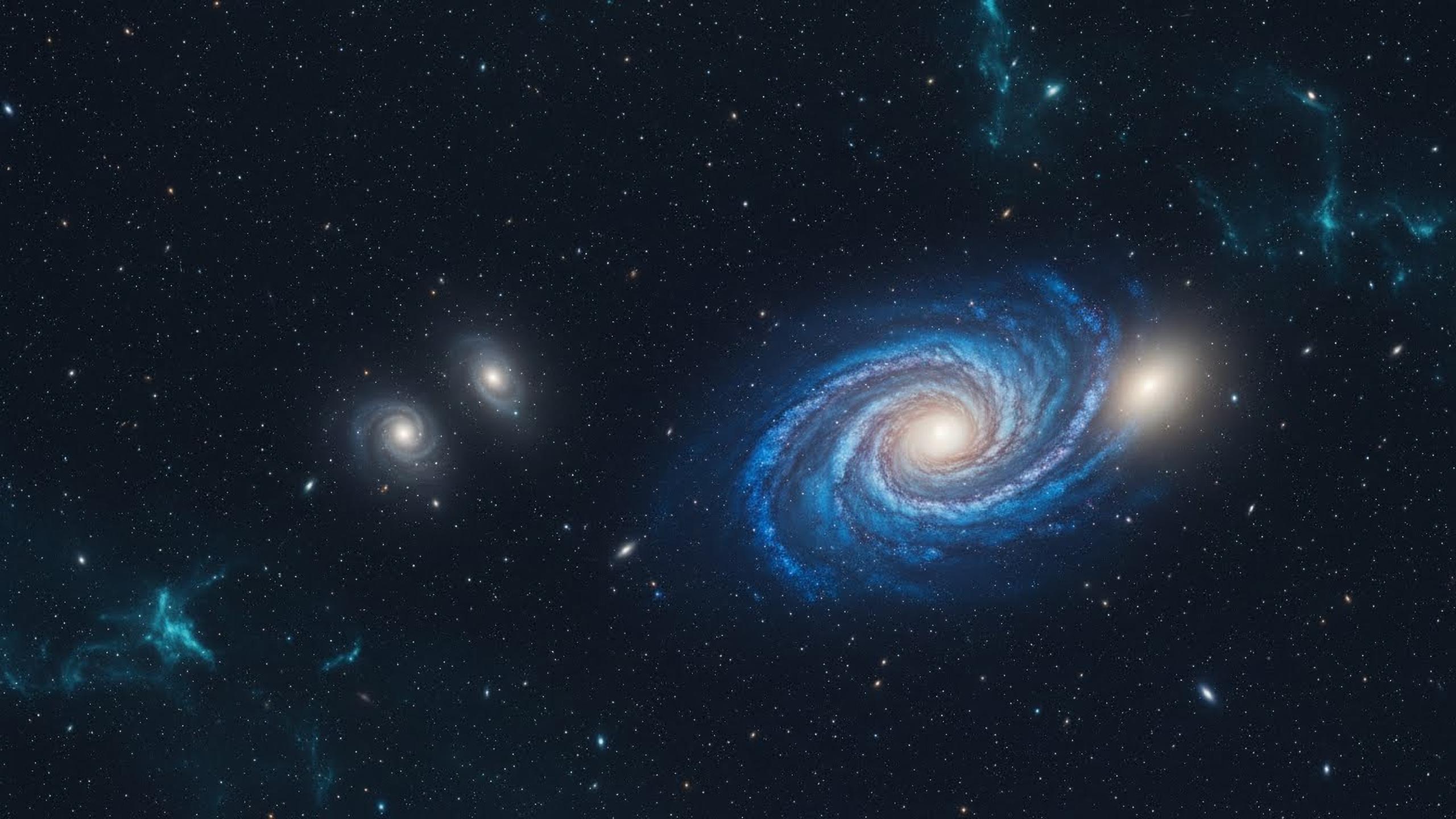
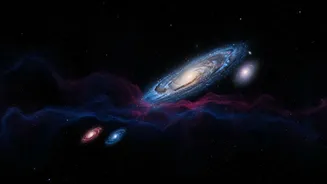
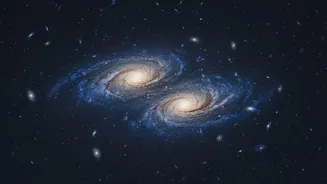
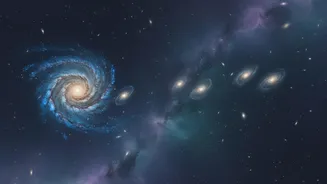
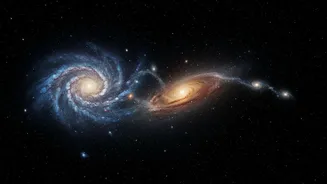
So how does a million-solar-mass black hole end up wandering in the galactic wilderness? Scientists believe it is a relic of a violent past. The leading theory is that this black hole once resided at the centre of a smaller galaxy. Long ago, that smaller galaxy collided with and was absorbed by the larger one we see today. In the cosmic chaos of such a galactic merger, gravitational tugs-of-war between multiple supermassive black holes can eject the lightest one, sending it hurtling into the outskirts of the newly formed, larger galaxy. This off-centre TDE is therefore not just a story about a single star’s death, but a forensic clue pointing to a dramatic collision between galaxies that happened long ago.
New Ways of Seeing the Invisible
This discovery, made possible by combining wide-sky surveys with the rapid-response capabilities of telescopes like Swift, is changing how astronomers search for these hidden giants. Previously, the search for TDEs was concentrated on galactic centres. Now, scientists have validated a new technique to hunt for these wandering black holes by looking for their tell-tale flashes in unexpected places. An advanced AI algorithm helped sift through half a million transient flashes detected each night to spot the unusual light curve of this particular event. By finding more of these off-centre TDEs, astronomers can begin to build a census of wandering black holes and better understand the dynamics of galaxy mergers. Each shredded star acts like a brief flare, illuminating the universe's darkest and most mysterious objects.