






Starting the day with a meal that is both wholesome and delicious can be a challenge. Enter the vegetable-stuffed multigrain paratha, a perfect solution that combines robust nutrition with incredible taste, fitting seamlessly into any breakfast routine.
Why Go Multigrain for Breakfast?
Switching from regular whole wheat flour to a multigrain blend is a simple yet powerful upgrade for your morning meal. Multigrain atta, a mix of grains like wheat, oats, ragi, jowar, and barley, offers a broader nutritional profile. It is significantly higher in dietary fibre, which aids digestion, promotes a feeling of fullness, and helps in weight management. The complex carbohydrates in multigrain flour provide a slow and steady release of energy, preventing the mid-morning slump and keeping you active for longer. Furthermore, this blend is often richer in essential vitamins and minerals like iron, magnesium, and B-vitamins, contributing to better heart health and immunity.
Crafting the Perfect Multigrain Dough
The foundation of a great paratha is a soft, pliable dough. You can use store-bought multigrain atta or create your own blend. A common ratio is to combine 3 parts whole wheat flour with 1 part of other mixed grain flours like oat, ragi, and soy flour. To prepare the dough, mix the flours with a pinch of salt. Slowly add lukewarm water and knead for about 5-7 minutes until you have a soft, smooth, and non-sticky dough. Adding a teaspoon of oil or ghee during kneading helps achieve a softer texture. Once kneaded, it's crucial to let the dough rest, covered, for at least 20-30 minutes. This resting period allows the gluten to relax, making the dough more elastic and easier to roll without tearing.
Choosing Your Vegetable Stuffing
The beauty of stuffed parathas lies in their versatility. You can use a wide variety of vegetables to create a flavourful and nutritious filling. Popular choices include boiled and mashed potatoes (aloo), grated cauliflower (gobi), radish (mooli), and crumbled paneer. For a nutrient boost, consider adding finely chopped spinach, methi (fenugreek leaves), or grated carrots to your primary filling. To prepare the stuffing, ensure your vegetables are cooked and mashed or grated finely to prevent lumps that can tear the dough. Sautéing finely chopped onions, ginger, and garlic before adding the vegetables enhances the flavour. Season generously with spices like garam masala, coriander powder, and chaat masala. Always allow the stuffing to cool completely before you begin assembling the parathas; a warm filling can make the dough soggy and difficult to handle.
A Step-byStep Guide to Preparation
Once your dough has rested and the filling is cool, you're ready to assemble. Divide the dough and the stuffing into equal_sized balls. Take a dough ball, flatten it with your fingers, and roll it into a small circle about 4_5 inches in diameter. Place a ball of the vegetable stuffing in the center. Gently bring the edges of the dough together, pleating as you go, and seal them at the top. Pinch off any excess dough from the top. Lightly flatten the stuffed ball with your palm, then dust it with a little dry flour. Using a rolling pin, apply gentle and even pressure to roll it out into a paratha of your desired thickness. Be careful not to press too hard, as this can cause the filling to ooze out.
Cooking to Golden Perfection
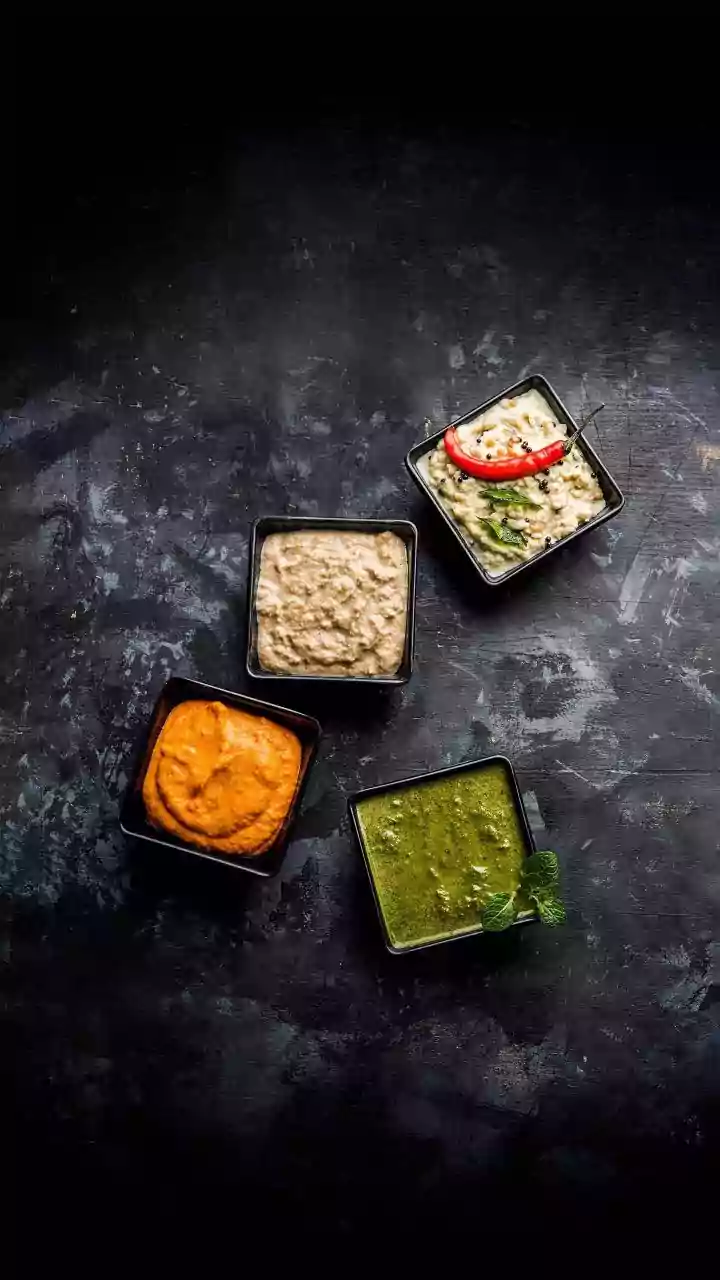
Heat a tawa or a flat_bottomed pan over medium heat. Place the rolled paratha on the hot tawa and cook for about a minute or until you see small bubbles appear. Flip it over and apply a little ghee or oil to the top surface. Flip it again and apply ghee or oil to the other side. Press down gently with a spatula to ensure it cooks evenly, until both sides have golden_brown spots and are crisp. Using minimal oil and cooking on a non_stick pan is a healthier option. Serve the hot vegetable_stuffed multigrain parathas immediately with a side of plain yogurt, pickle, or chutney for a complete and satisfying breakfast.