




An Ancient Answer to Modern Cravings
In the constant search for food that is both delicious and nourishing, many are looking past the usual supermarket staples and exploring the world of ancient grains. These are crops that have been cultivated for millennia, largely unchanged by modern
agriculture. At the forefront of this movement are the grains of Ethiopia, a country with a rich and ancient culinary history. For thousands of years, grains like teff, barley, and sorghum have been the foundation of the Ethiopian diet, and now, home cooks around the world are discovering their versatility and health benefits. These grains offer not just a break from monotony but a gateway to new textures and earthy, complex flavours.
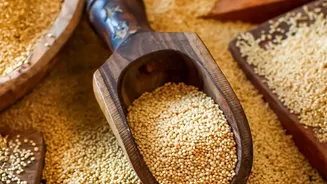
Meet Teff: The Tiny Super-Grain
Teff is the smallest grain in the world, so tiny that its name is thought to come from the Amharic word for “lost.” But despite its size, teff is a nutritional giant. It is naturally gluten-free and packed with protein, fibre, and minerals like iron and calcium—containing significantly more calcium than most other grains. Traditionally, teff flour is fermented to make injera, a spongy, sour flatbread that serves as the base for most Ethiopian meals. But its culinary uses are vast. With a mild, slightly nutty flavour, teff flour can be used to make everything from pancakes and waffles to cakes and cookies. For the Indian kitchen, think of using teff flour to create a nutrient-dense and gluten-free chilla or dosa, or cooking the whole grain into a wholesome porridge similar to dalia.
Sorghum and Barley: Familiar Grains, New Tricks
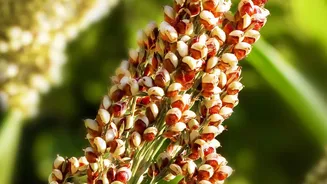
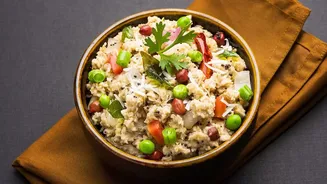
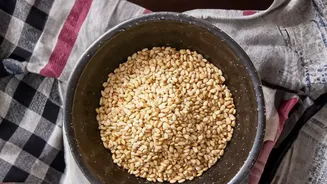
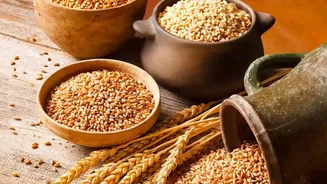
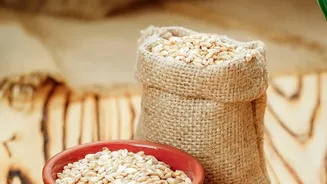
While sorghum, known as jowar in India, is a familiar sight, Ethiopian cuisine offers fresh inspiration for this hardy grain. In Ethiopia, sorghum is used to make porridge and unleavened breads, especially in arid regions where it thrives. This should encourage us to think beyond jowar roti and explore its potential in savoury porridges or as a hearty addition to salads and stews. Similarly, barley (jaun) is another staple in the Ethiopian highlands. It’s roasted and eaten as a snack called 'kolo', or ground into flour to make a thick, nourishing porridge known as 'genfo'. These uses can inspire Indian cooks to use barley not just in soups but as a toasted snack or as the base for a warm breakfast bowl, perhaps sweetened with jaggery and spiced with cardamom.
How to Start Your Ethiopian Grain Journey
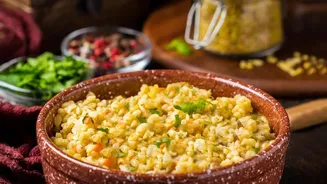
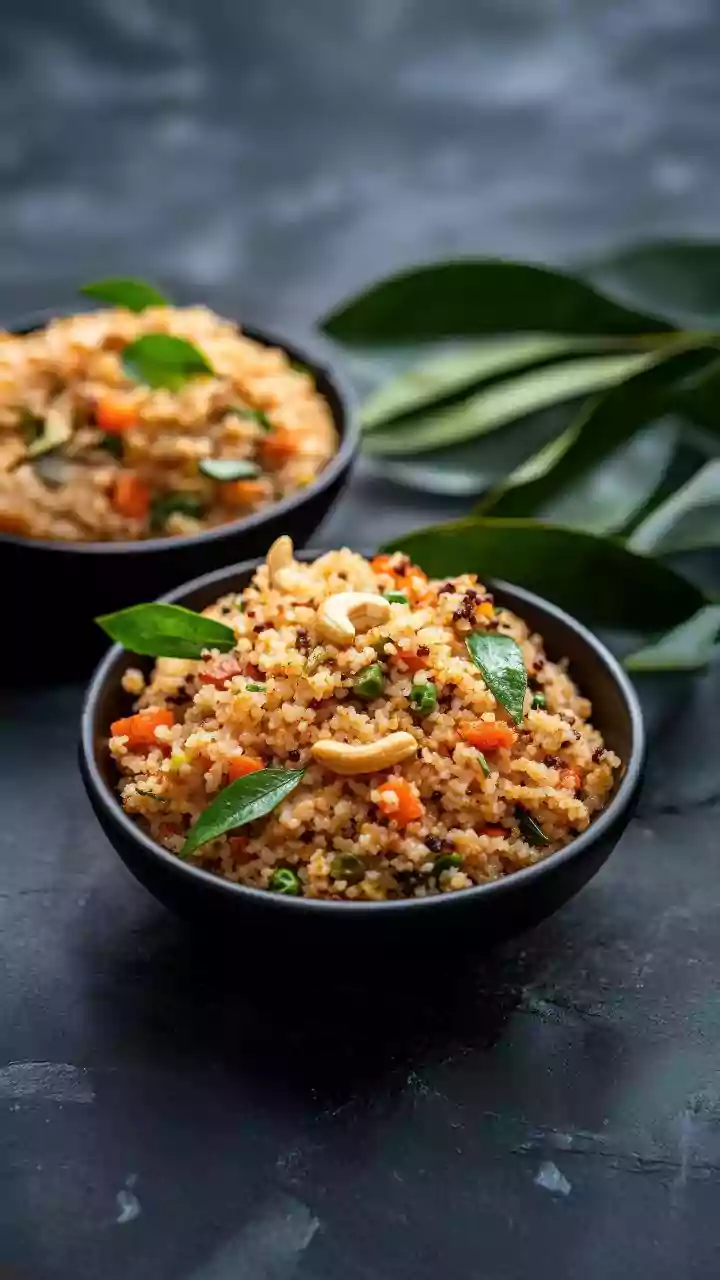
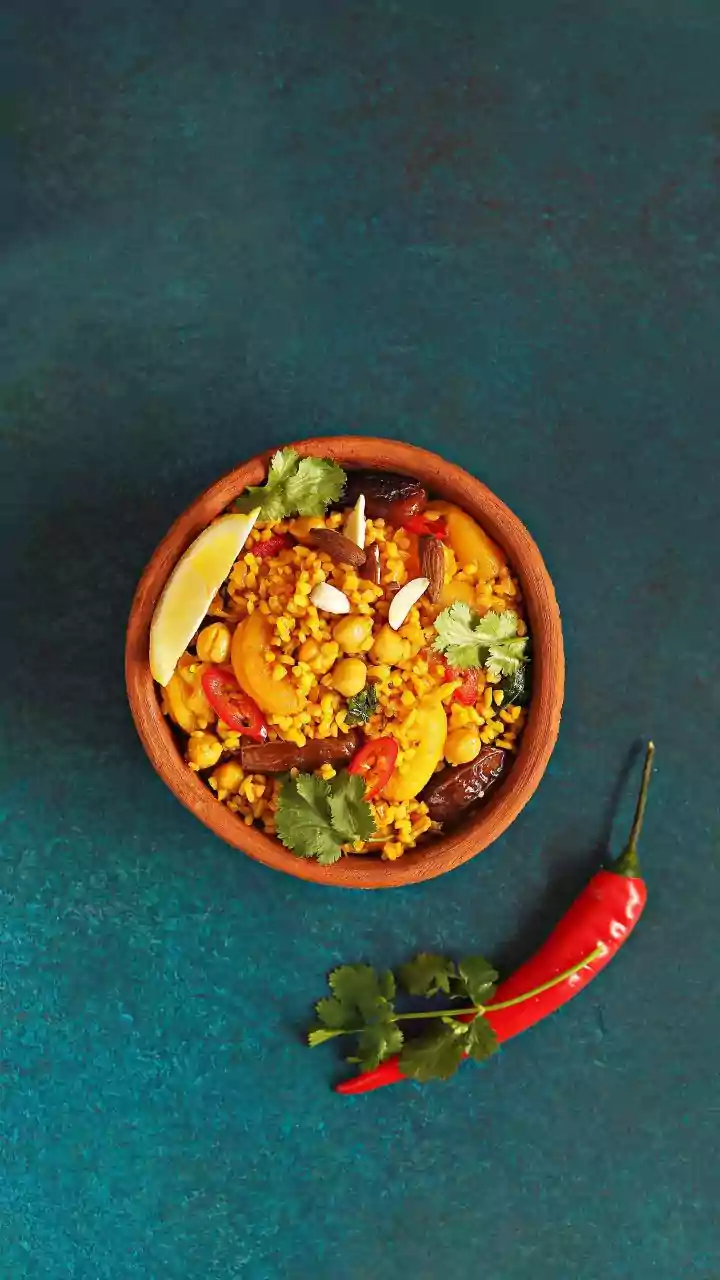
Integrating these grains into your daily meals is surprisingly simple. Teff, sorghum, and barley are increasingly available in health food stores and online. Start by substituting a portion of your regular flour with teff flour in your favourite baking recipes to add a nutritional boost and a pleasant, earthy note. Try making a simple porridge by simmering one part whole teff or barley with three parts water or milk until tender. You can treat it like oatmeal, topping it with fruits, nuts, and a drizzle of honey. For a savoury option, cook sorghum or barley like you would rice and use it as a base for a vegetable pilaf or a wholesome grain bowl, adding your favourite dals or sabzis on top. The mild, adaptable flavours of these grains make them a perfect canvas for the vibrant spices of Indian cooking.