






Why Your Brain Loves a Game
Traditional exercise routines can become monotonous, leading to a lack of interest over time. Gamification, or adding game-like elements to activities, is a powerful tool to combat this. It taps into our natural desire for achievement and progress. When
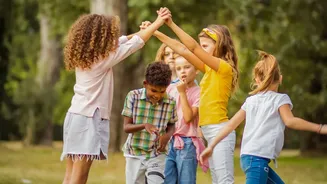
you introduce goals, challenges, and friendly competition, exercise transforms from a repetitive task into an engaging experience. This process provides a sense of accomplishment with each small victory, releasing mood-boosting endorphins and dopamine that create a positive feedback loop, making you want to come back for more. By shifting the focus from the burn to the fun, gamified fitness makes movement more enjoyable and sustainable.
The Power of the Pack
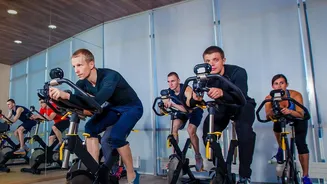
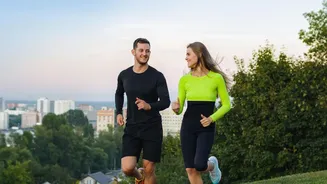
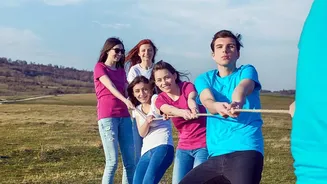
Working out with others provides a powerful psychological boost. The energy in a group setting can be contagious, encouraging you to push harder than you might on your own. This concept, known as social facilitation, means your performance can improve simply because you're around others. Friends or workout partners also create a sense of accountability; you're more likely to show up if you know someone is waiting for you. This social support system turns exercise into a shared commitment, reducing feelings of isolation that can come with solo home workouts and fostering a sense of community and belonging. Studies show that people who exercise with a partner tend to work out more often and for longer.
Shorter Can Be Sweeter
The idea that a workout only counts if it lasts for an hour is a myth. Recent research shows that short, intense workouts of 15 to 20 minutes can be incredibly effective, sometimes even more so than longer, low-intensity sessions. These 'mini workouts' are easier to fit into a busy schedule and can feel less intimidating for beginners. High-Intensity Interval Training (HIIT), which involves short bursts of hard work followed by brief rest, has been shown to rapidly improve fitness. One major benefit is the 'afterburn' effect, where your body continues to burn calories at a higher rate even after you've finished exercising. Committing to shorter, more frequent workouts can be a much more achievable and effective strategy for long-term health.
Simple Games to Get You Started
You don't need complicated equipment or rules to turn your workout into a game. With a partner or a small group, you can try simple, fun activities. One classic is 'Simon Says,' where one person calls out exercises like jumping jacks, squats, or planks. Another option is a partner challenge like 'Anything You Can Do, I Can Do Better,' where you take turns choosing an exercise and seeing who can do more reps. You can also try 'Balloon Bounce,' where the goal is to keep a balloon from hitting the floor, forcing players to constantly move, leap, and dive. Even a simple game of 'Scissors, Paper, Rock' can be adapted for fitness, with the loser performing a set number of star jumps or push-ups before the next round.