





The Origin of the Purple Haze
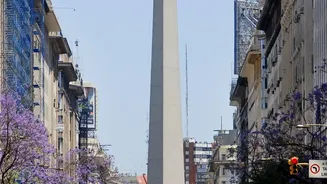
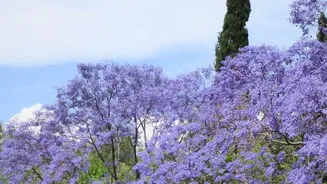
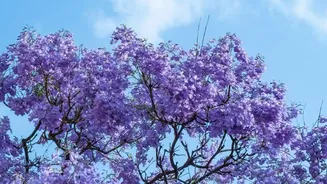
Though they feel like an integral part of Sydney's identity, jacaranda trees are not native to Australia. The Jacaranda mimosifolia species, which thrives in Sydney's climate, originally hails from South America, with its roots in countries like Argentina
and Brazil. The trees were introduced to Australia in the 19th century, with one of the first known specimens planted in Sydney's Royal Botanic Garden around 1850. Over the decades, they became a popular choice for civic beautification projects, particularly from the 1930s to the 1960s, which is why so many older suburbs boast mature, sprawling trees. While a charming myth tells of a hospital matron gifting seedlings to new mothers, the widespread planting is more accurately credited to these council-led programs.
Kirribilli's Famous Purple Tunnel
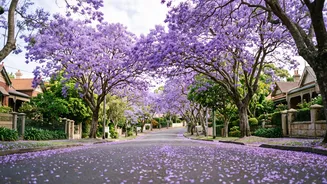
For the most iconic and photographed jacaranda experience, head to McDougall Street in the lower North Shore suburb of Kirribilli. Here, a dense row of mature trees forms a spectacular purple archway, creating a tunnel effect that draws photographers and sightseers from around the world. The street becomes so popular during the peak bloom in late October and November that local authorities often implement weekend road closures to manage the crowds and ensure pedestrian safety. To get the best view and avoid the biggest crowds, an early morning visit is highly recommended. The soft light and quieter atmosphere make the experience all the more magical. Interestingly, many of these famous trees were a gift from the town of Grafton, the home of Australia's renowned Jacaranda Festival.
Harbour Views and Historic Blooms
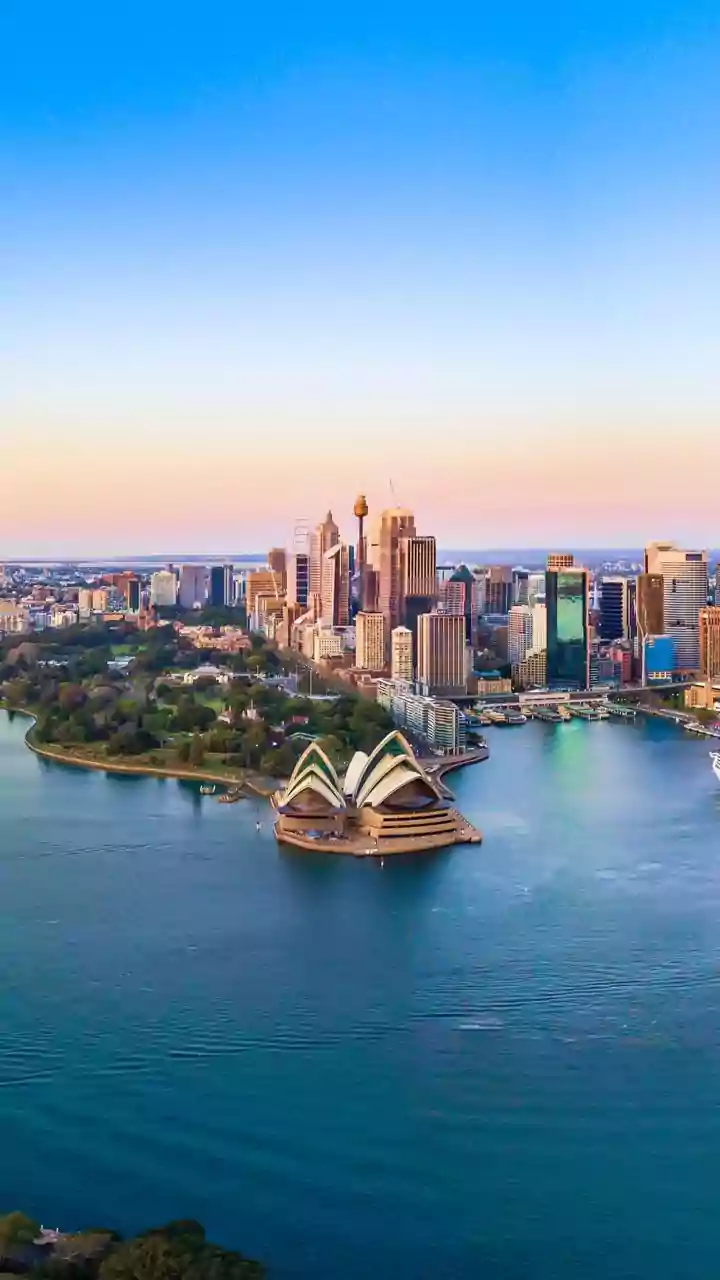
Combining Sydney's iconic landmarks with the purple blossoms makes for an unforgettable scene. The areas around Circular Quay, The Rocks, and the Royal Botanic Garden offer stunning compositions of jacarandas framing the Opera House and Harbour Bridge. The Botanic Garden itself is home to some of the oldest jacaranda specimens in the country. Just a short walk or ferry ride away, Lavender Bay provides beautiful harbour vistas framed by purple flowers, with Wendy Whiteley's Secret Garden offering a tranquil spot to enjoy the scenery. Taking a stroll through these historic areas allows you to see the contrast between the old sandstone buildings and the soft, vibrant blossoms.
Suburban and University Splendour
The jacaranda magic isn't confined to the harbour. Many of Sydney's suburbs offer their own beautiful displays. The elegant, terrace-lined streets of Paddington, particularly along Oxford Street near Victoria Barracks, provide a classic backdrop for the blooms. The inner-west suburbs of Glebe, Camperdown, and Newtown are also known for their impressive jacaranda-lined streets. The University of Sydney campus in Camperdown is another key location, where the trees have become part of university folklore; a superstition holds that if a blossom falls on your head before you've started studying for exams, you're destined to fail. Further afield, suburbs like Hunters Hill and even Parramatta offer peaceful parks and streets where you can admire the trees without the central city crowds.
When and How to See Them
Jacaranda season in Sydney typically runs from mid-October to late November, with the peak bloom often occurring in the last week of October and the first two weeks of November. The exact timing can vary slightly each year based on rainfall and temperature. Once the flowers are at their peak, they create a stunning canopy for about two to three weeks before the petals begin to fall, carpeting the footpaths and roads in a layer of purple. Exploring on foot is the best way to experience the season, whether you're taking a dedicated jacaranda walk through Kirribilli or simply meandering through the inner-city suburbs.